

Ocean Sky 2025
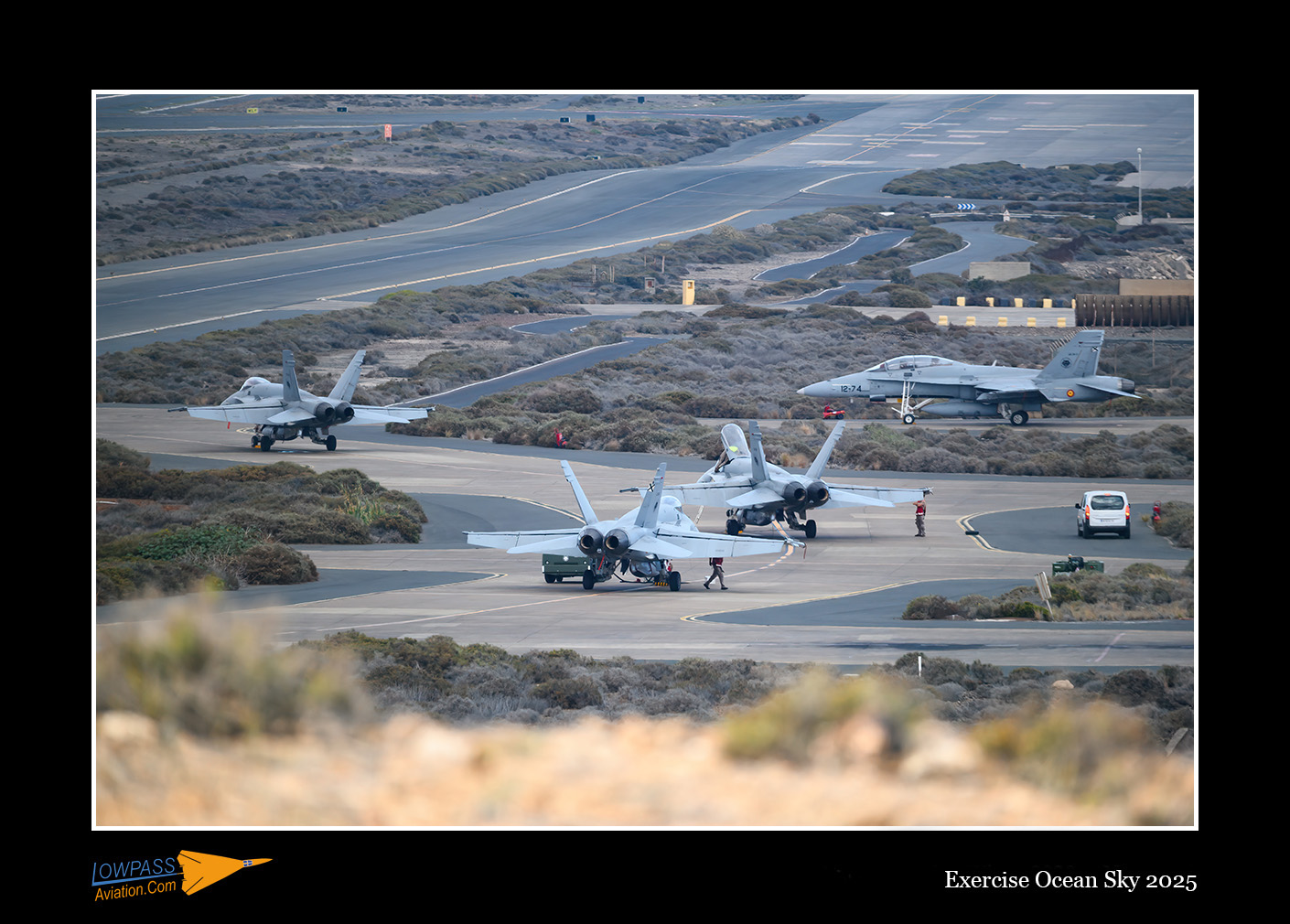
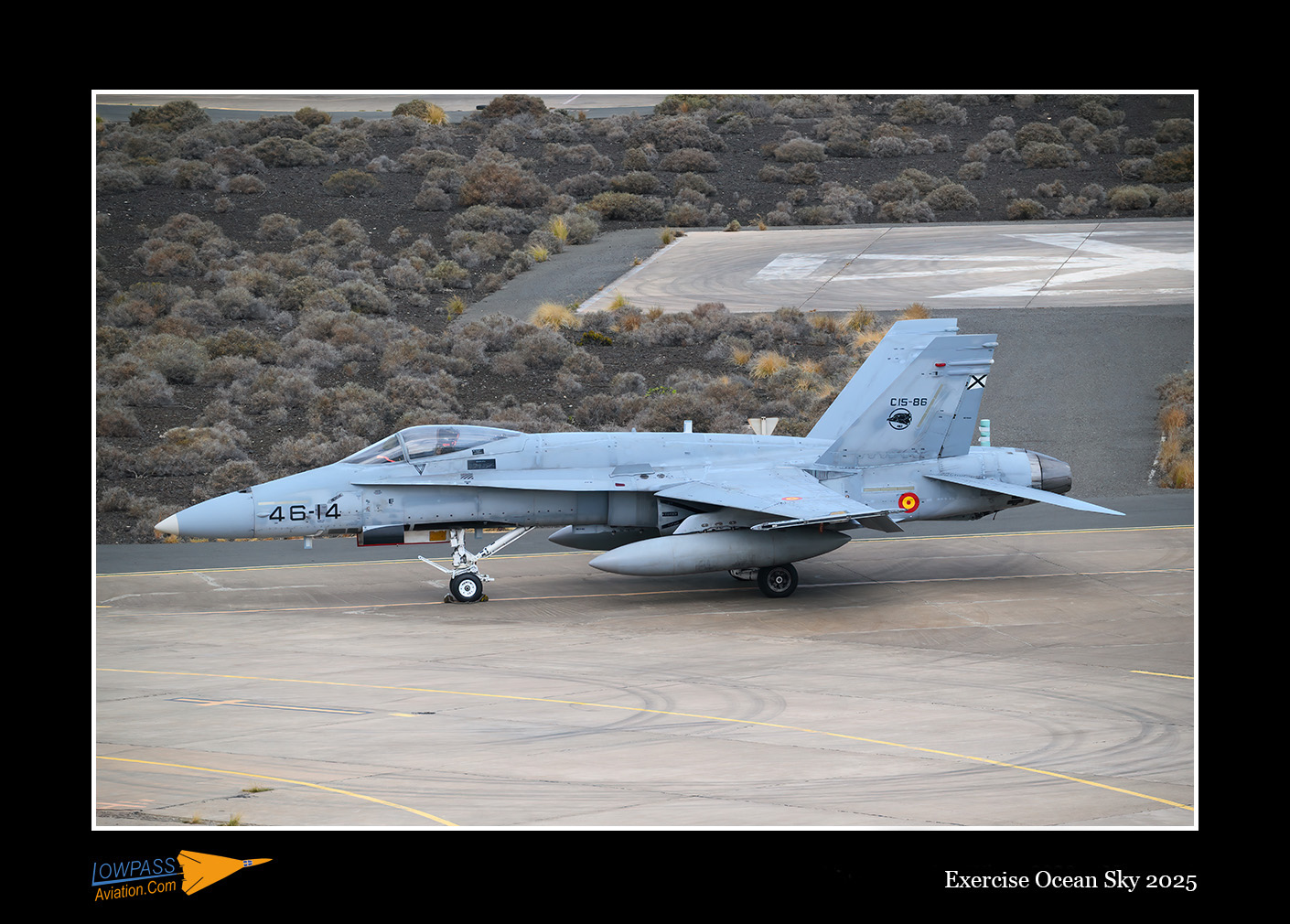
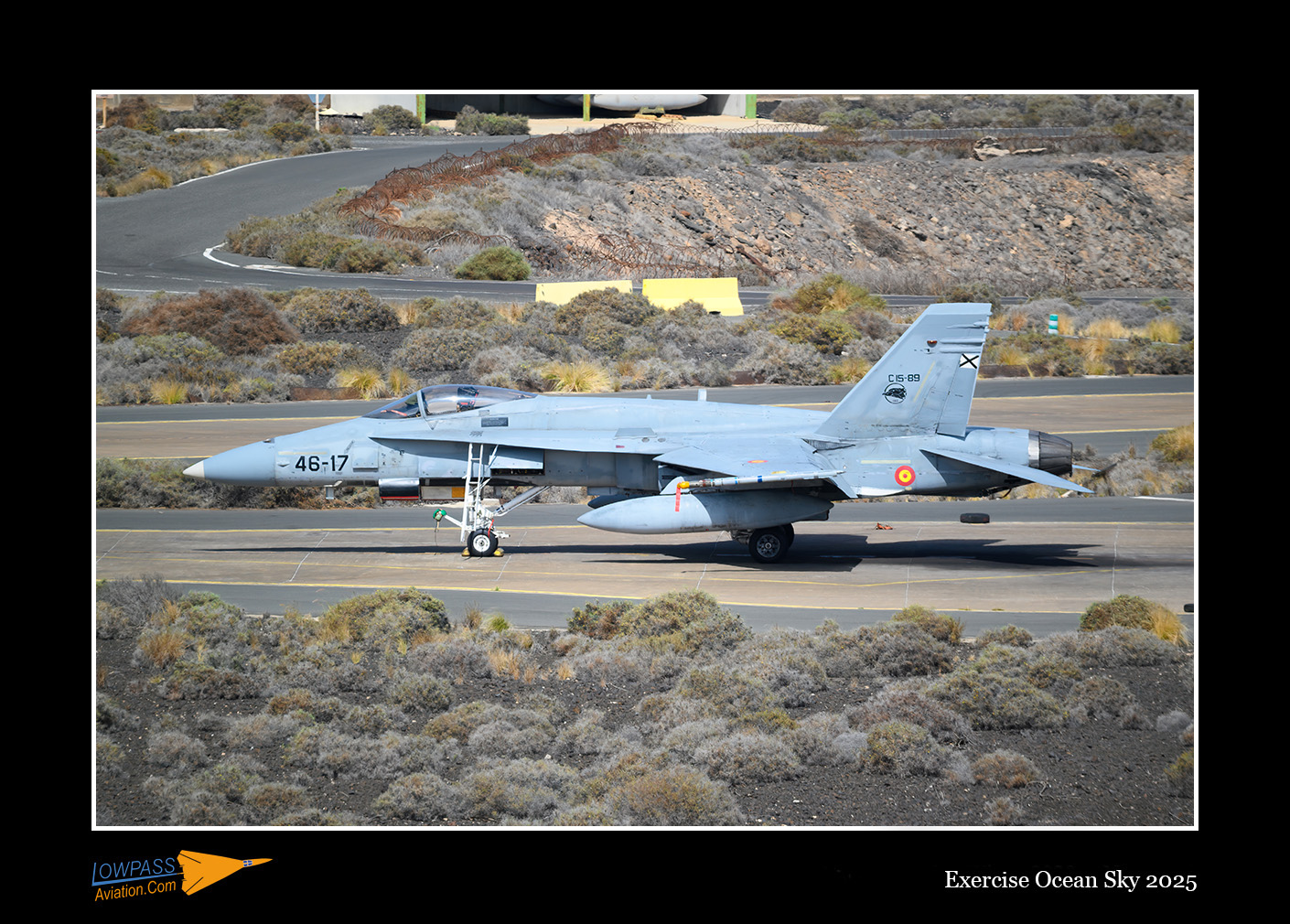
In October this year another edition of the exercise Ocean Sky took place. This international exercise is organized by the Spanish Air Force at Gando Airbase at the Canari Islands. Gando is home of Spanish Air Force Ala46.
History of Ala46
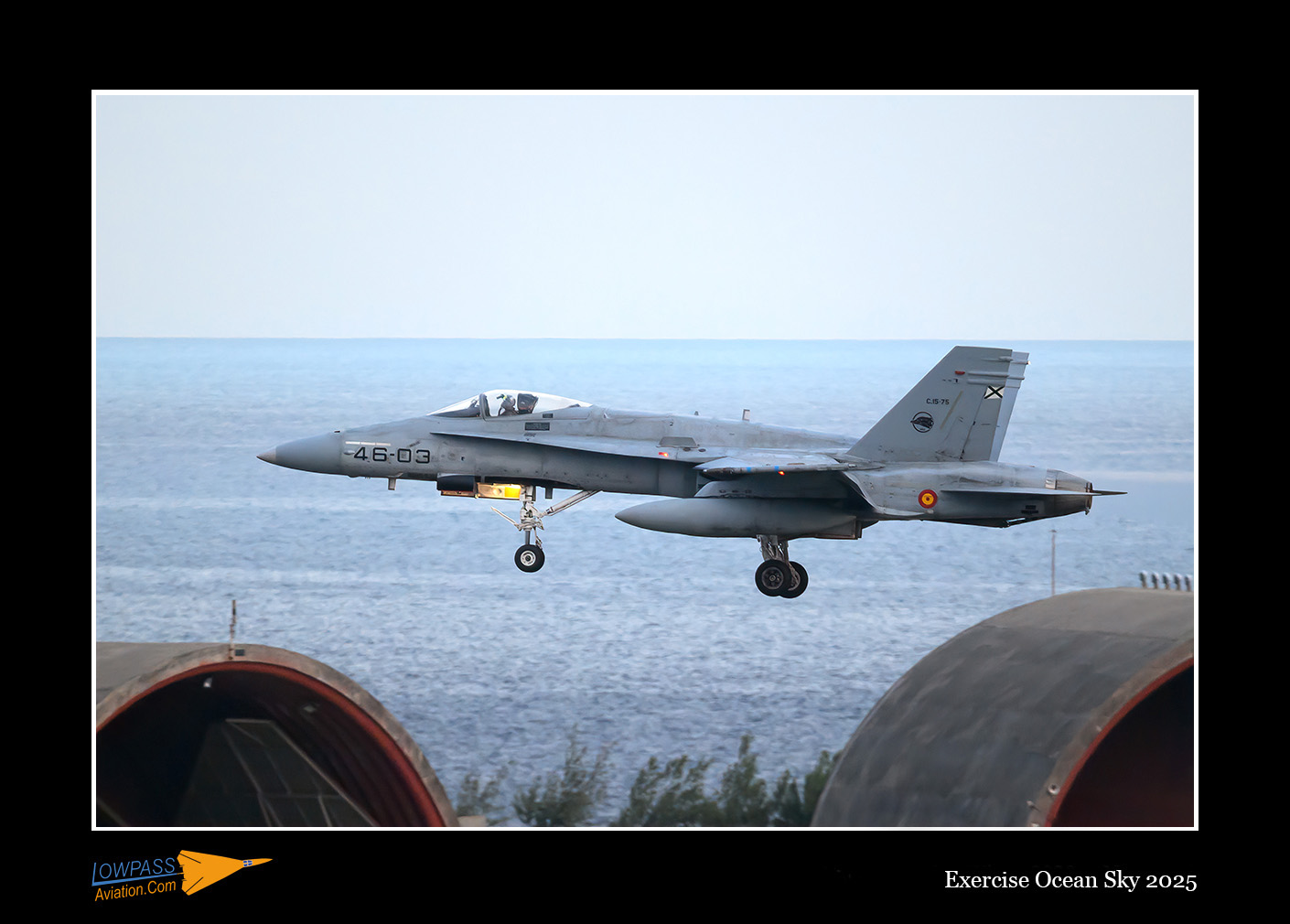
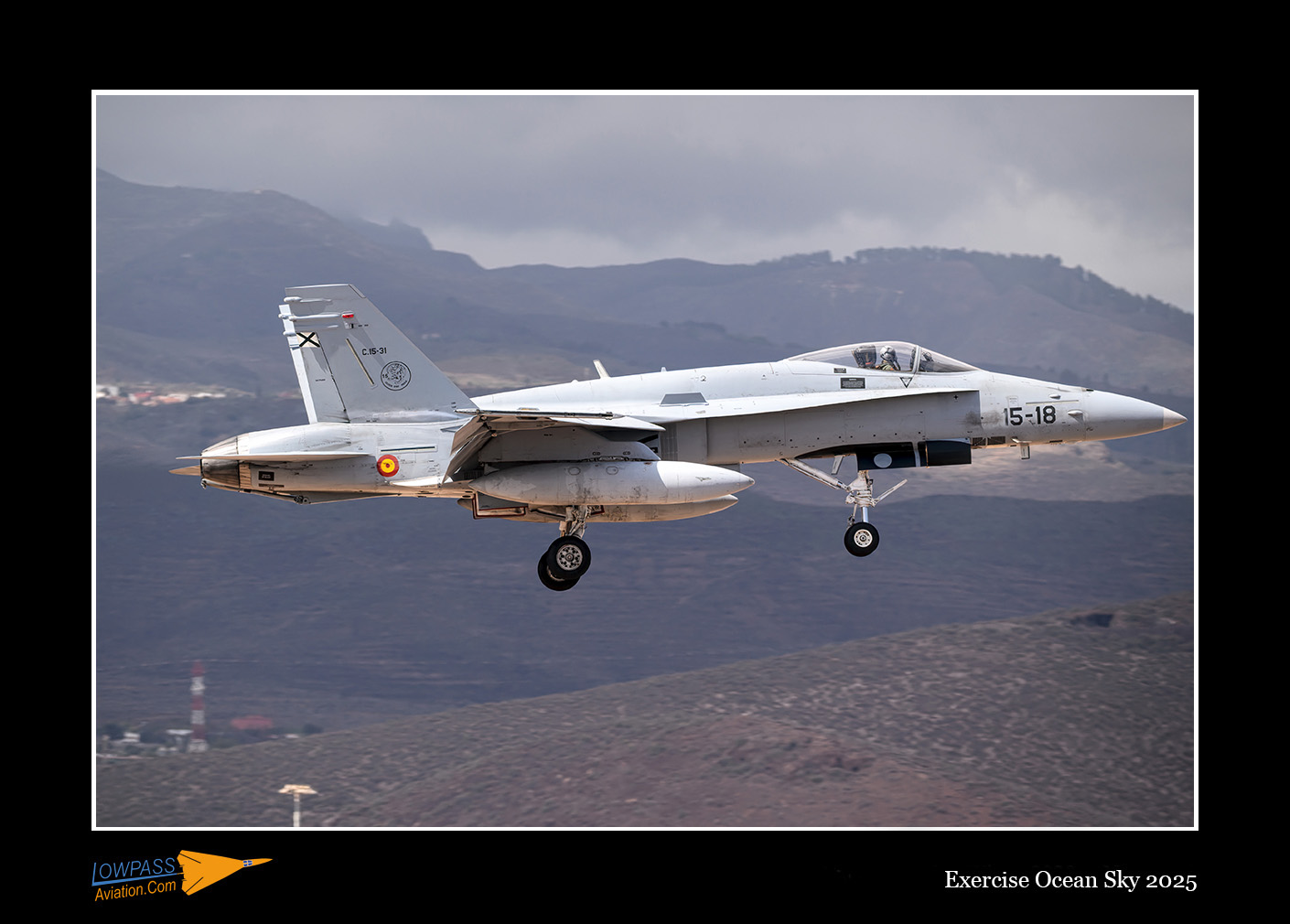
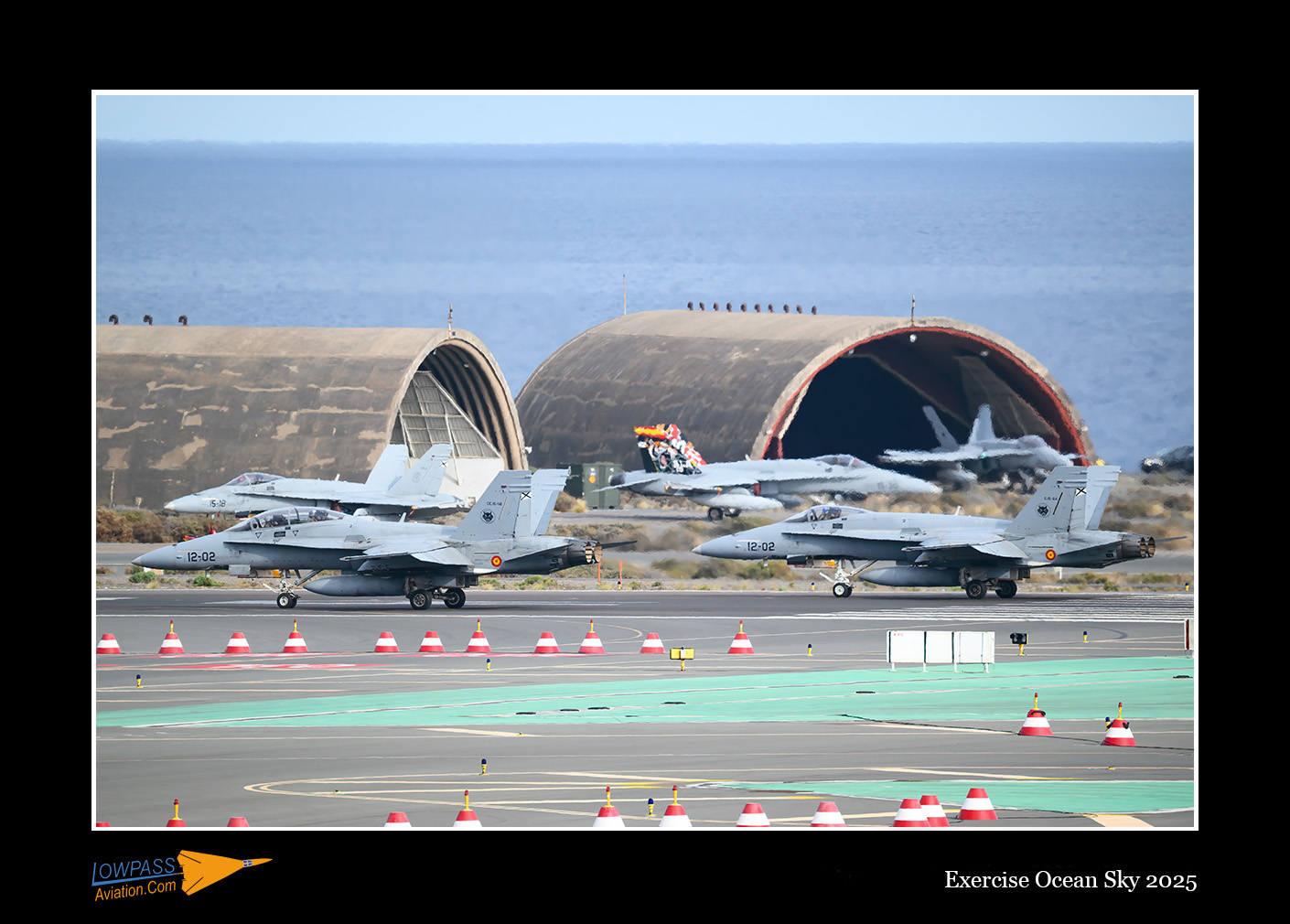
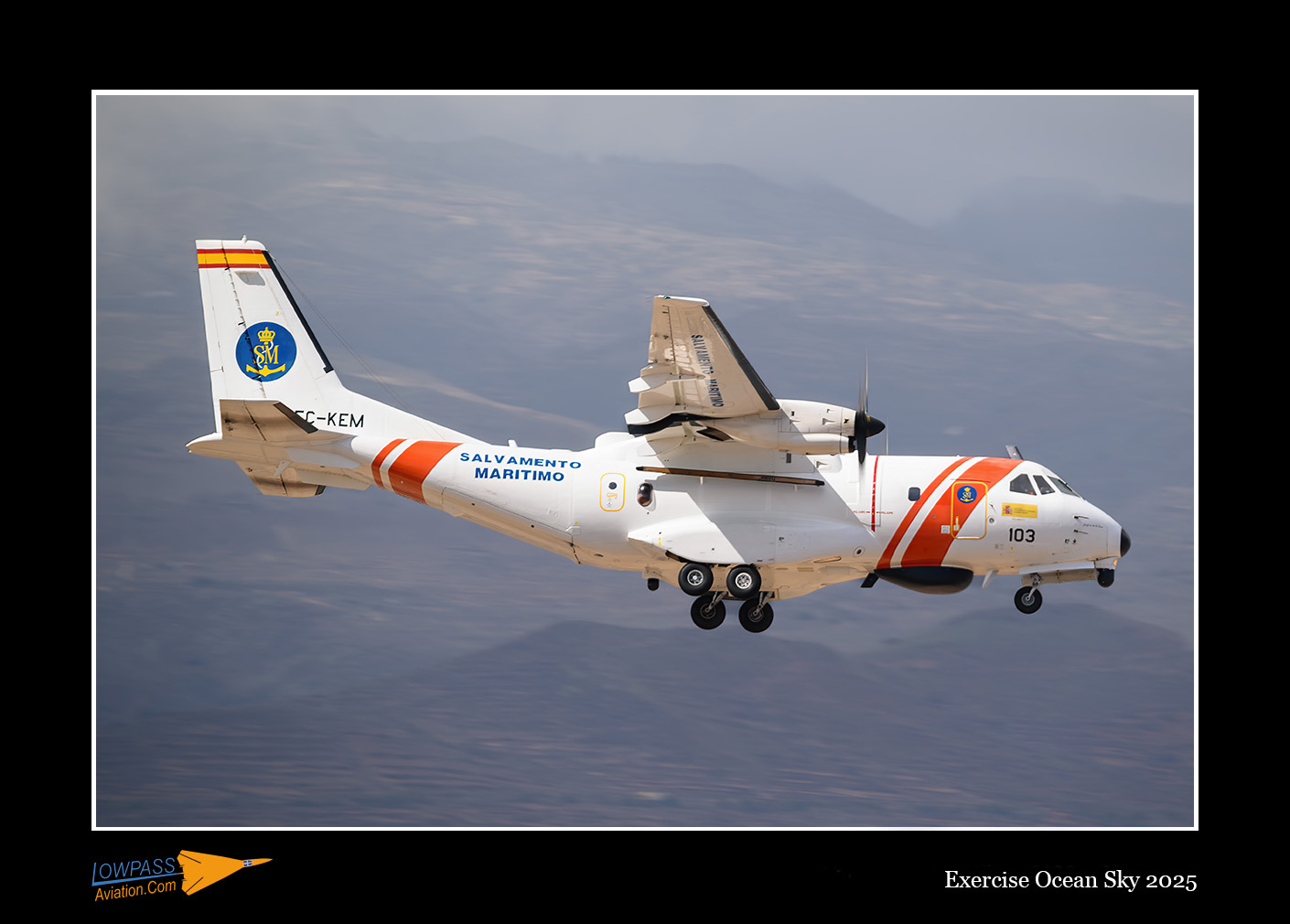
Ala46 was established on 9 January 1928 in the Sahara of the 1st Spanish Military Squadron, deployed between Cape Juby and Villa Cisneros. This unit was reorganized and renamed to 1st Desert Squadron in 1935. The first detachment of the Spanish military aviation arrived in Gando on 3 February 1939, becoming the Atlantic Forces on 1 September 1939. It was the first official representation of the Air Force in the Canary Islands. In the beginning of the 1940s, it was renamed 11th Squadron. As a result of a new organization of the Air Force, the 112 Group was integrated together with the 54th Hydro Squadron based at Las Palmas on 17 October 1940. On 30 May 1941 this unit would form together with the 29th Expeditionary Hunting Group, Mixed Regiment No. 4, origin of the current 46th Wing. This Mixed Regiment No. 4 operated with Fiat CR-32, Junker 52 and Dornier’s. The 462 Squadron was founded and operated the Fiat CR-32. The Ifni-Sahara war, which lasted from 1957 till 1975, was the scene of action where the 462 Squadron has written the most glorious pages of its history. Various units were deployed by the Air Force in the Sahara, those units lived an intense period, in constant surveillance and patrol missions over the desert territory. In 1975 the 464 Squadron was activated to have combat aircraft with operational capabilities in the Canary Islands. In 1982 the 462 and 464 squadron were merged into 462 Squadron coinciding with the arrival of Mirage F-1 fighter aircraft. In 1999 the Mirage F-1s were replaced by F/A-18 Hornet aircraft, which are still operational but unfortunately not for long anymore. The F/A-18 is in the twilight of his career within the Spanish Air Force. Escuadron 462 “Halcones” is the only unit in the Air Force still flying with the Legacy Hornets. Operations with the type are steadily winding down, with most of the squadrons aircraft already taken out of active service and sent of for retirement. The Hornets of ESC462 are being replaced by the much more modern EF-2000 Eurofighter, in Spain better known as the ” Tifón”. Many of the squadrons personnel are currently undergoing education and training at the EF-2000 conversion unit in Moron for the transition to the Eurofighter. It is expected that the first EF-2000’s for the squadron will soon arrive at Gando Airbase with the first flying operations starting in early 2026. The units last F/A-18’s will be retired from active service in early to mid 2027. Next to 462 Squadron Ala46 also consists of 802 Squadron operating CN-235 maritime patrol aircraft and H-215 helicopters for Search and Rescue (SAR) missions. A contract was recently signed with Airbus in Seville for the delivery of 8 new Casa 295 SAR aircraft for the Spanish Air Force, the first of these new aircraft completed its first flight in November 2025 and is expected to be delivered to Escuadron 802 at Gando Airbase which will be the first squadron within the Spanish Air Force to receive the new aircraft, they wil replace the old CN-235 SAR aircraft that the unit is operating since 2008 which are in much need for replacement, Escuadron 802 will receive 3 to 4 of the new aircraft.
Today Gando airbase and the 46th Wing constitute the first means of air defense and logistical support in the Canary Islands, maintaining close collaboration in joint operations and exercises with units of the Army and the Navy.
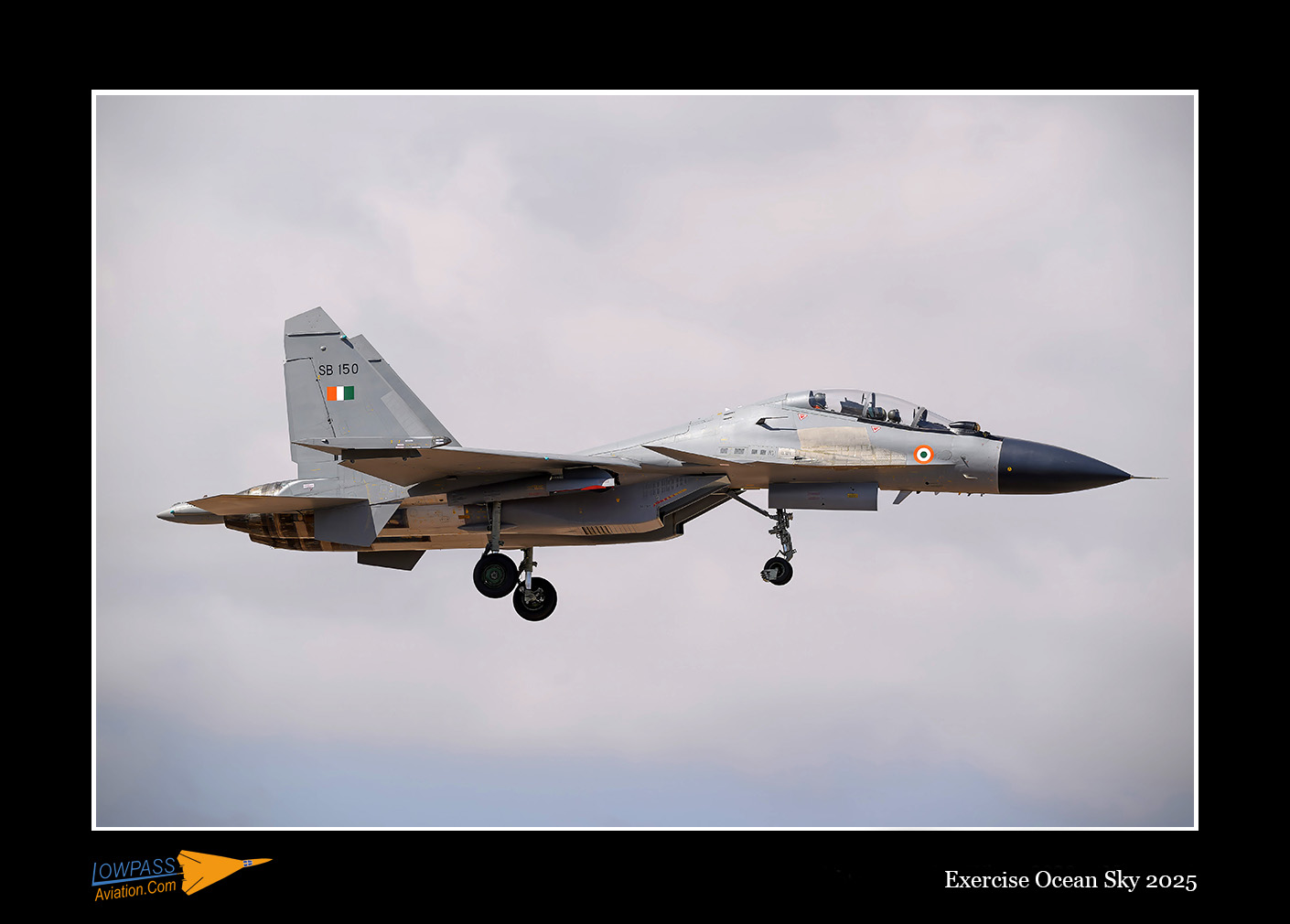
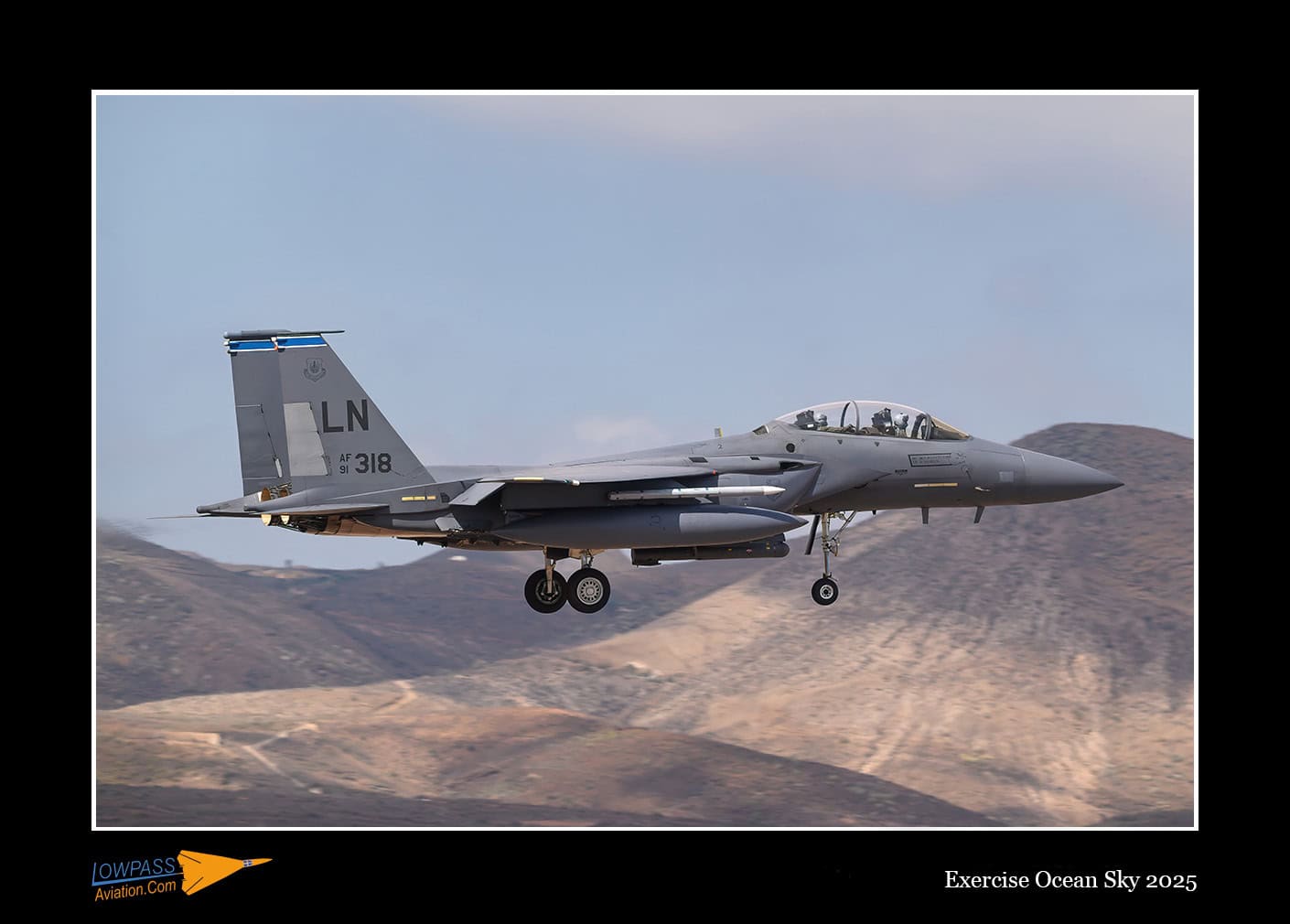
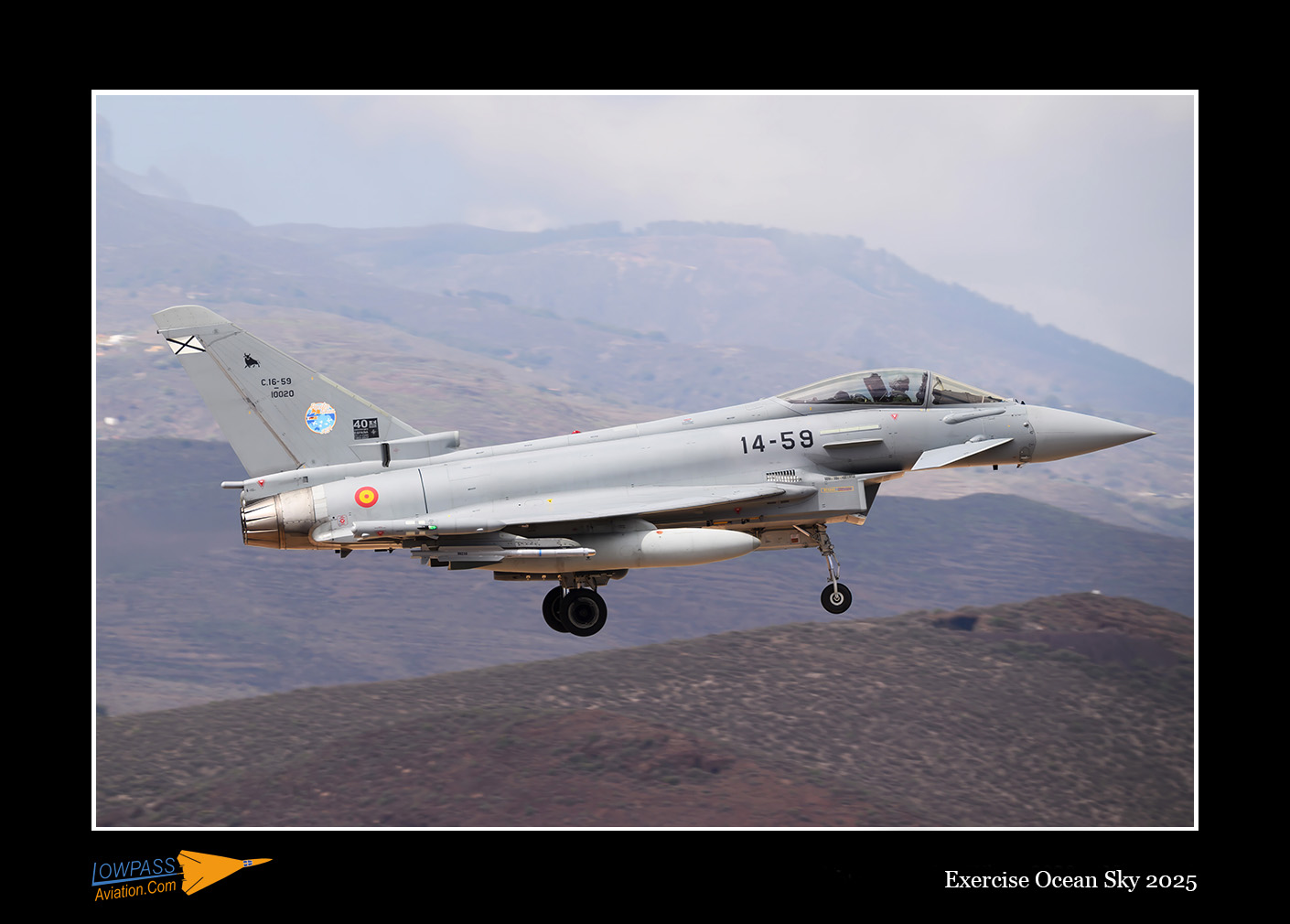
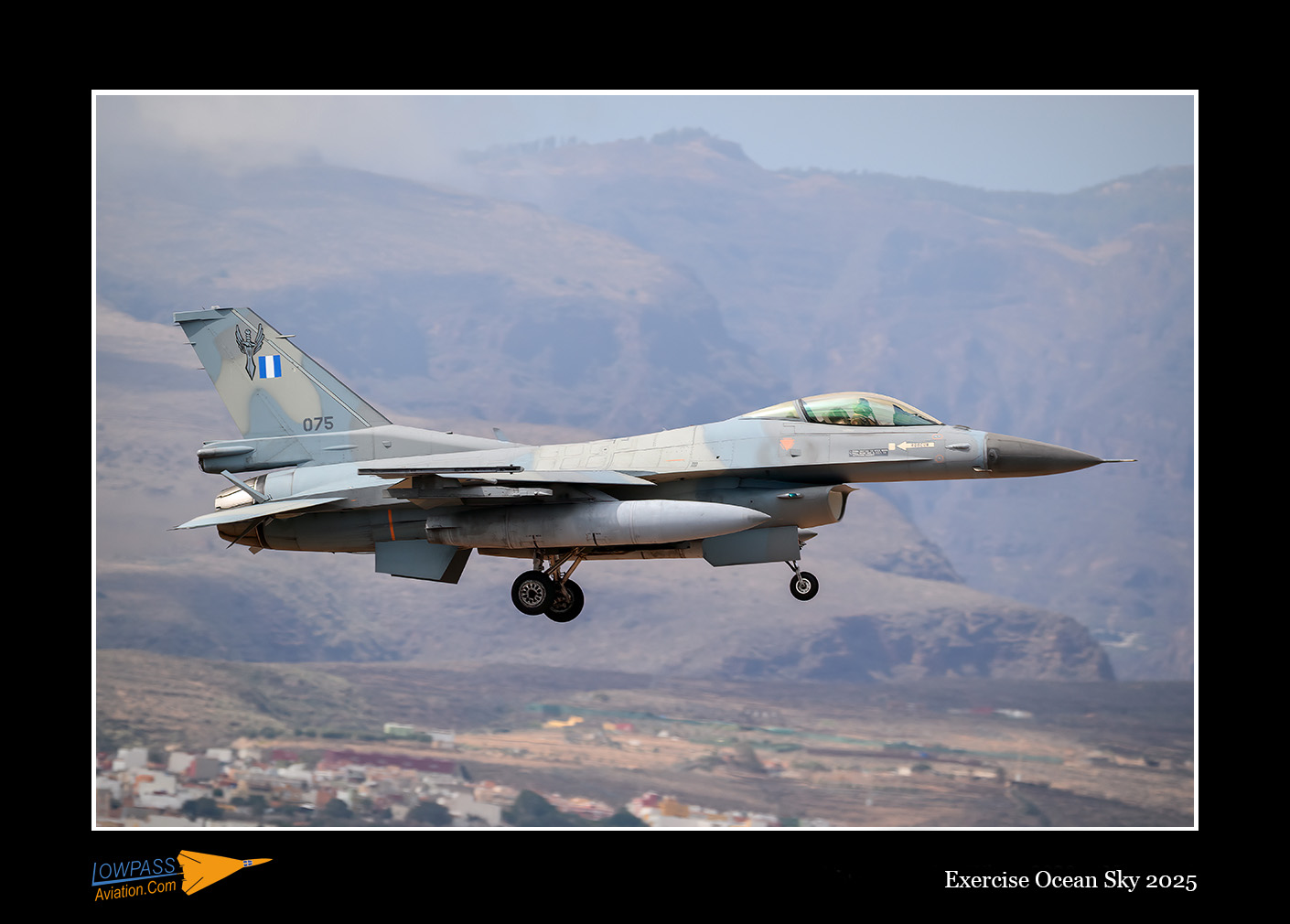
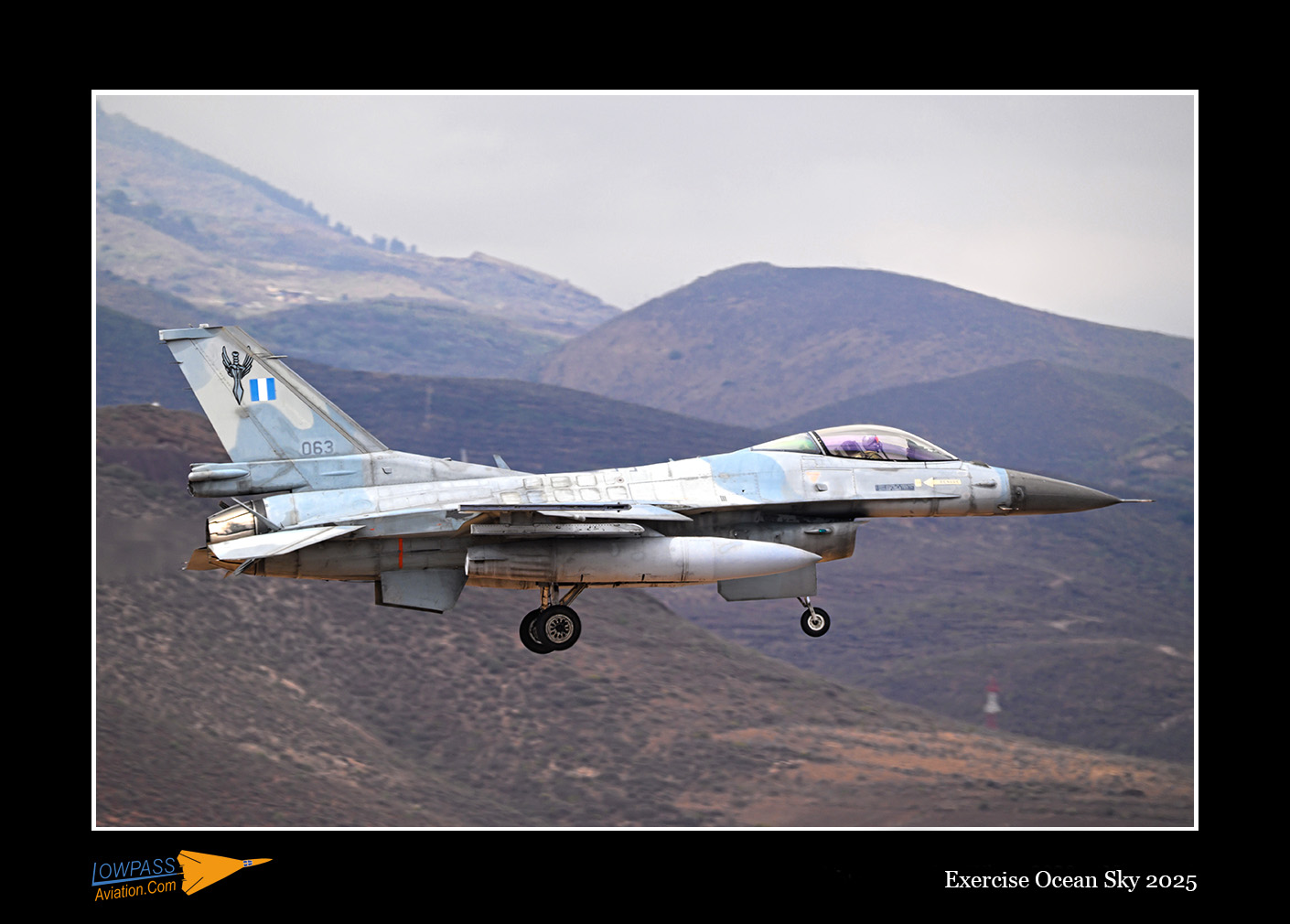
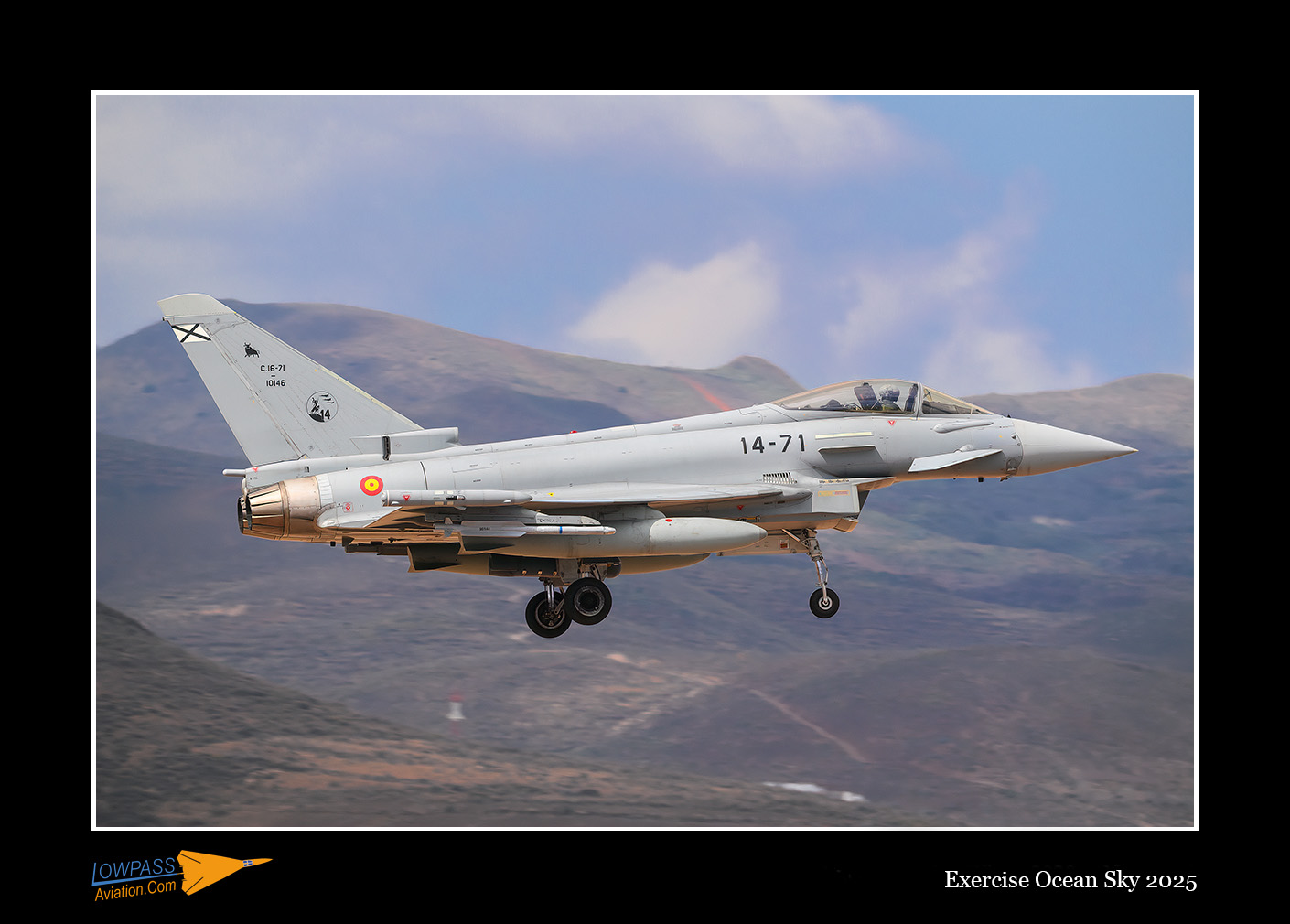
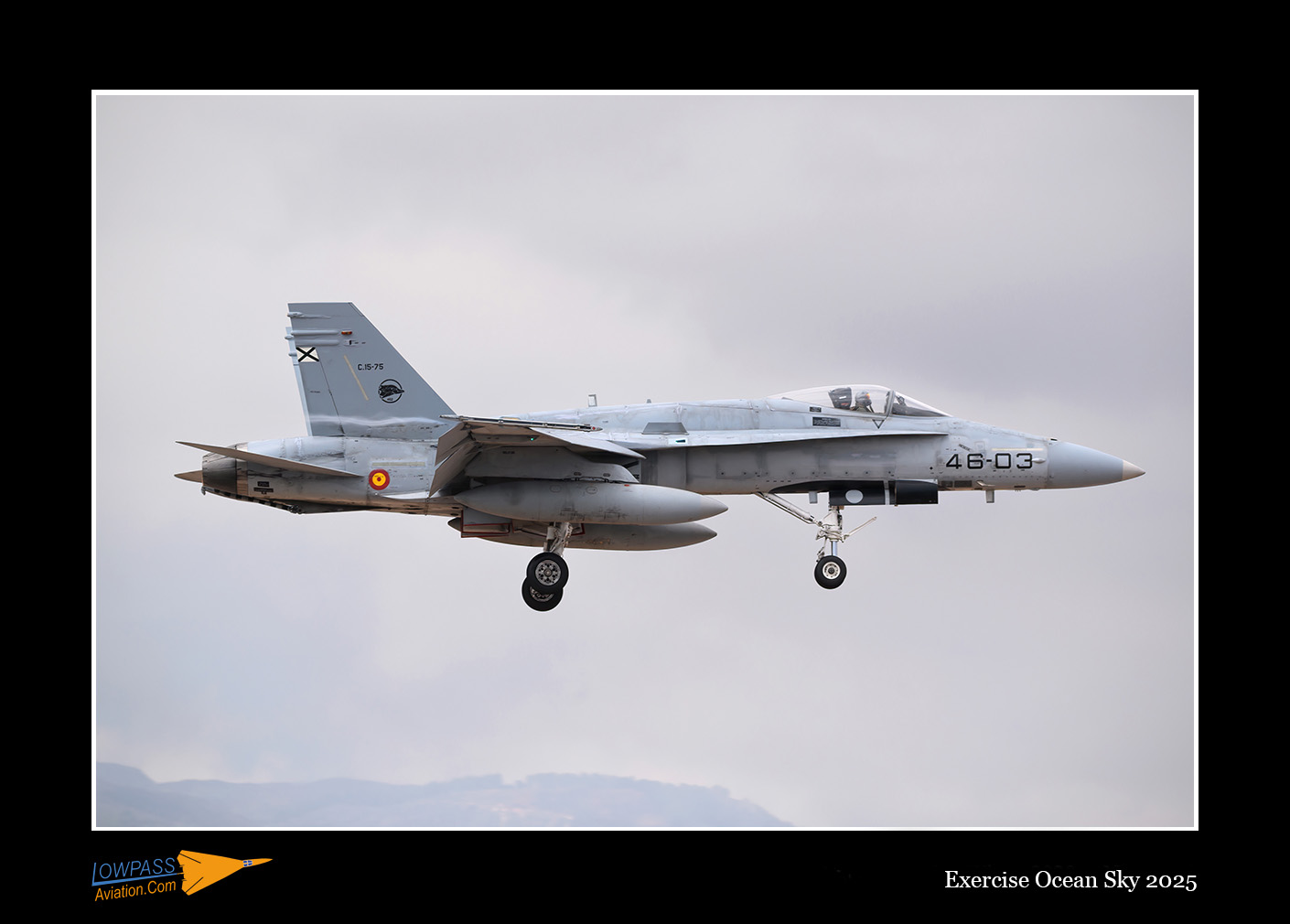
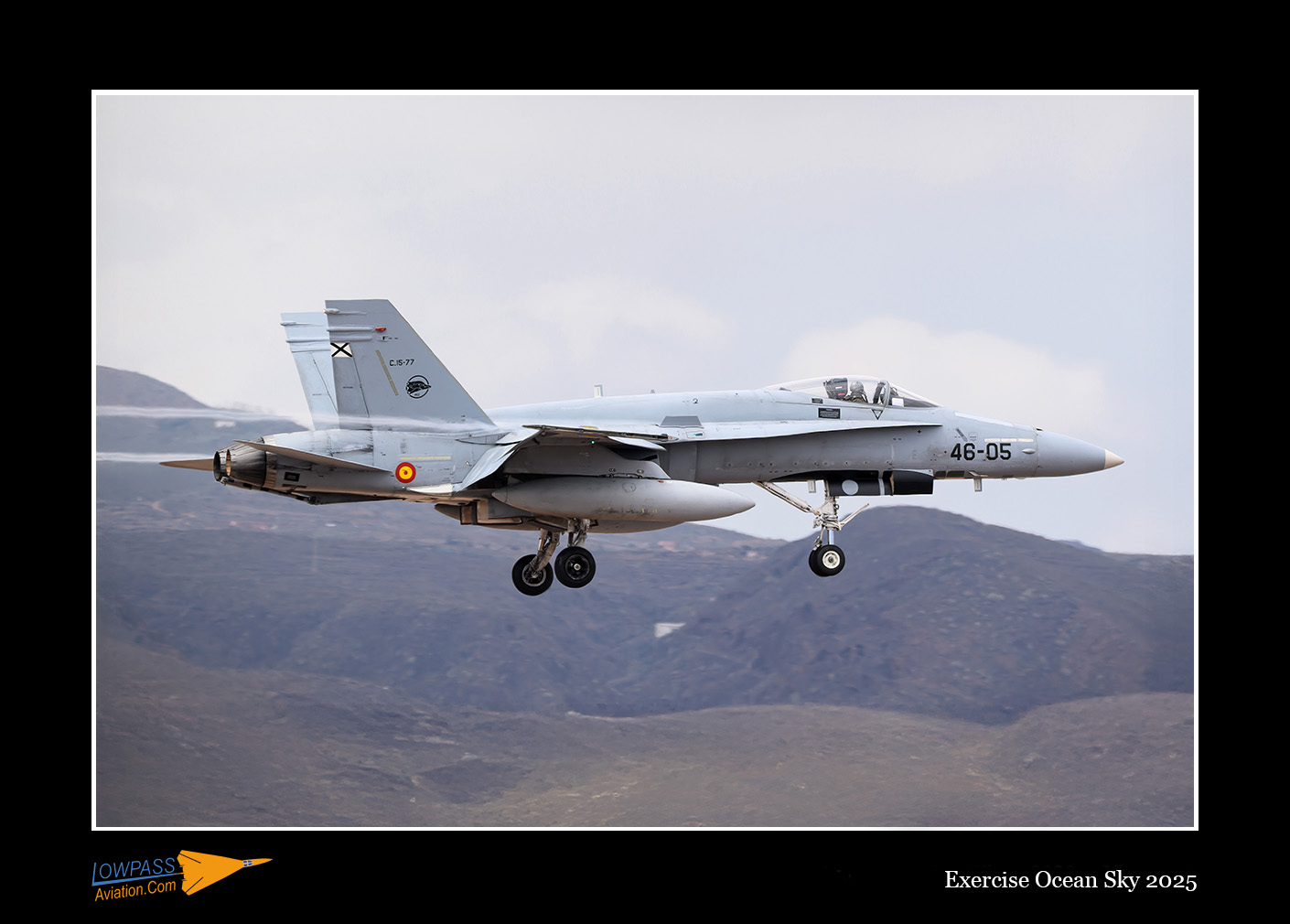
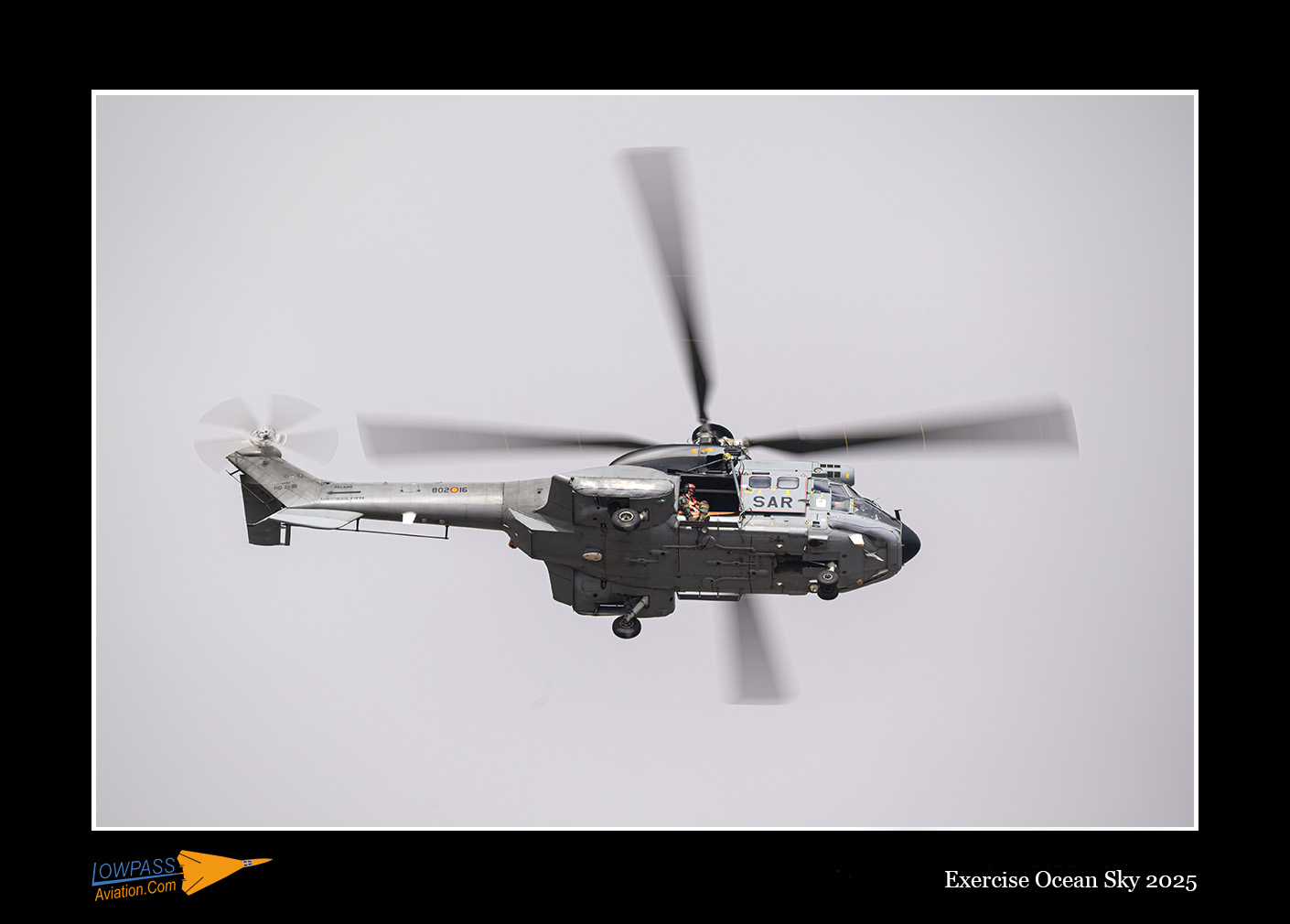
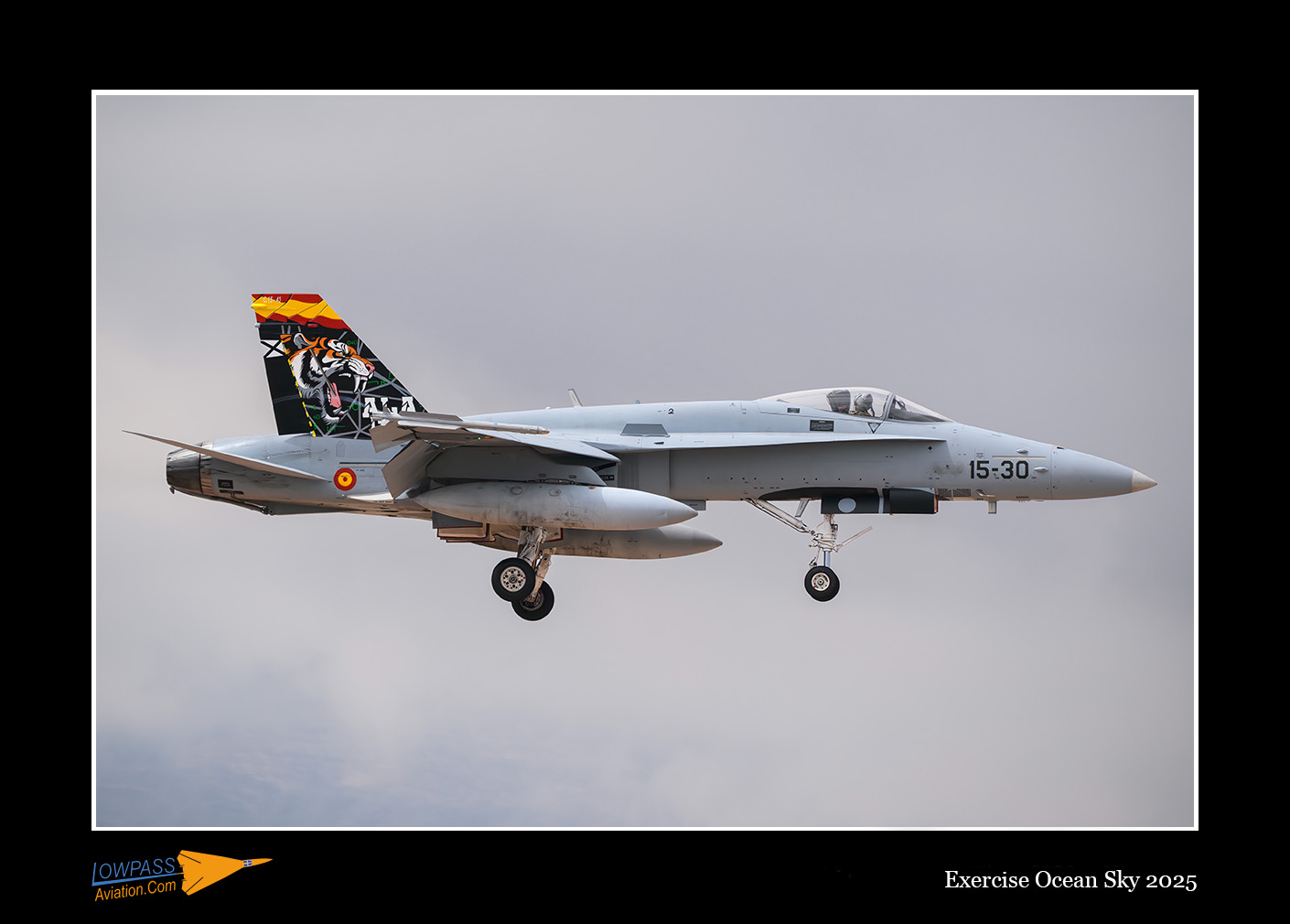
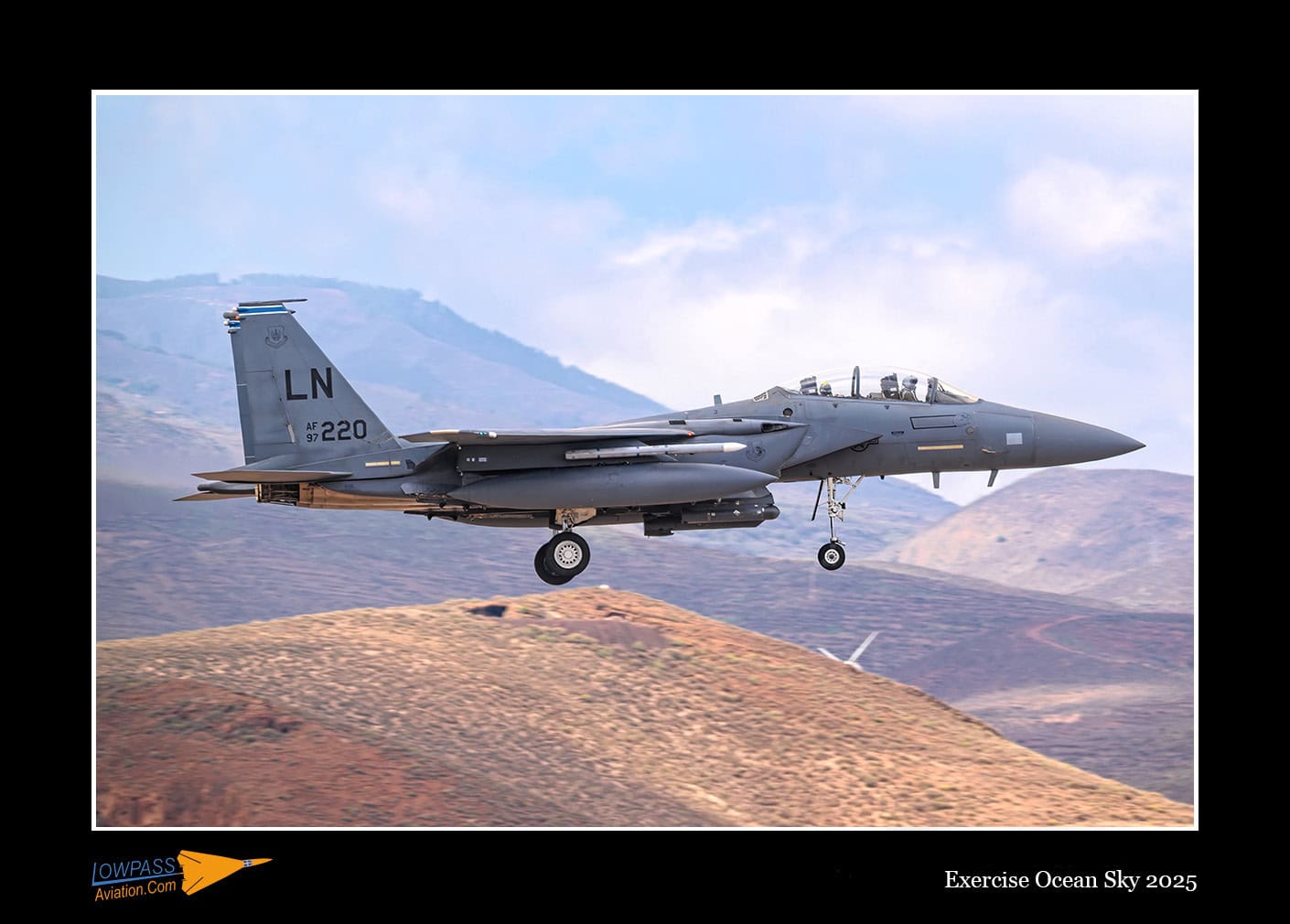
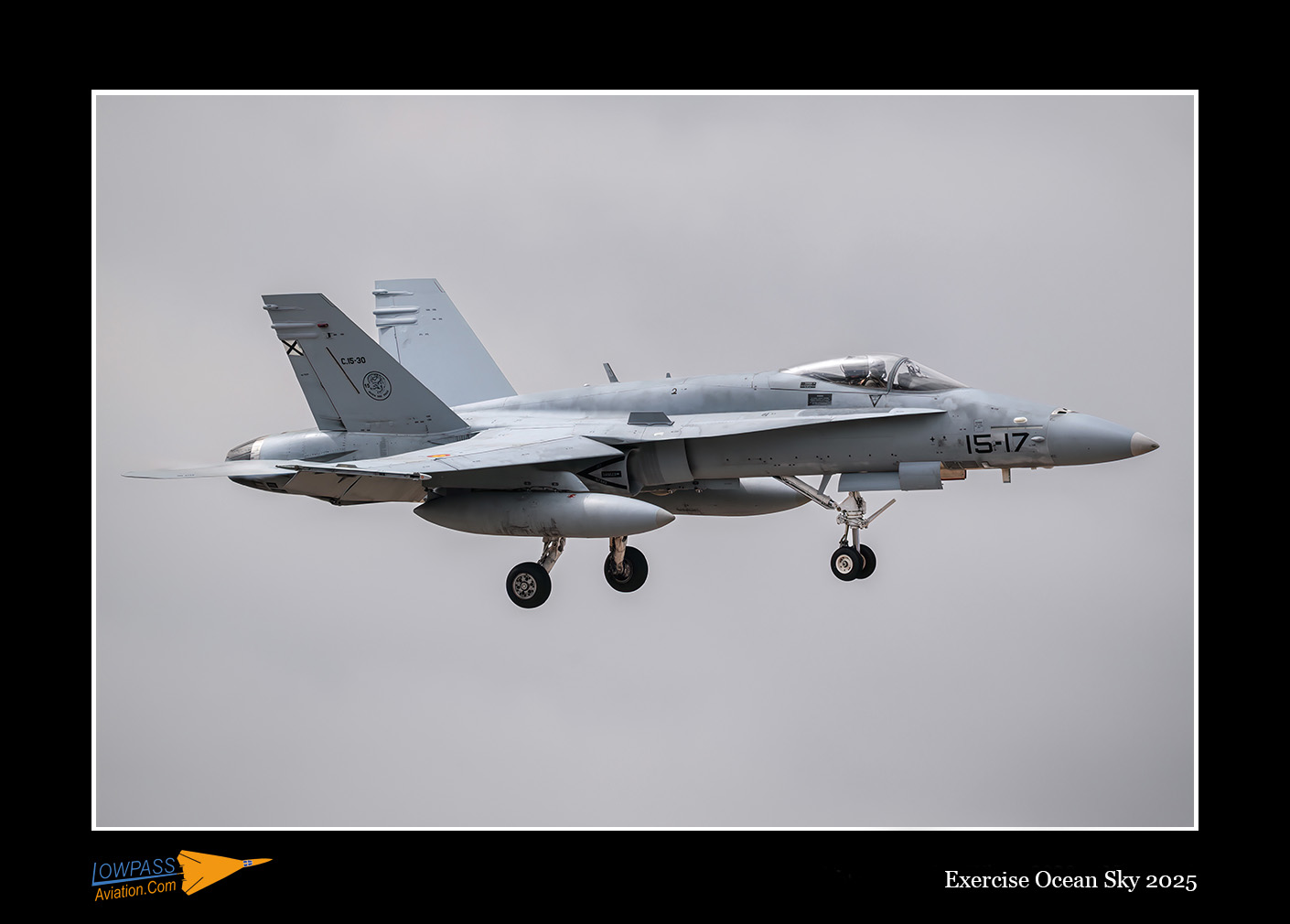
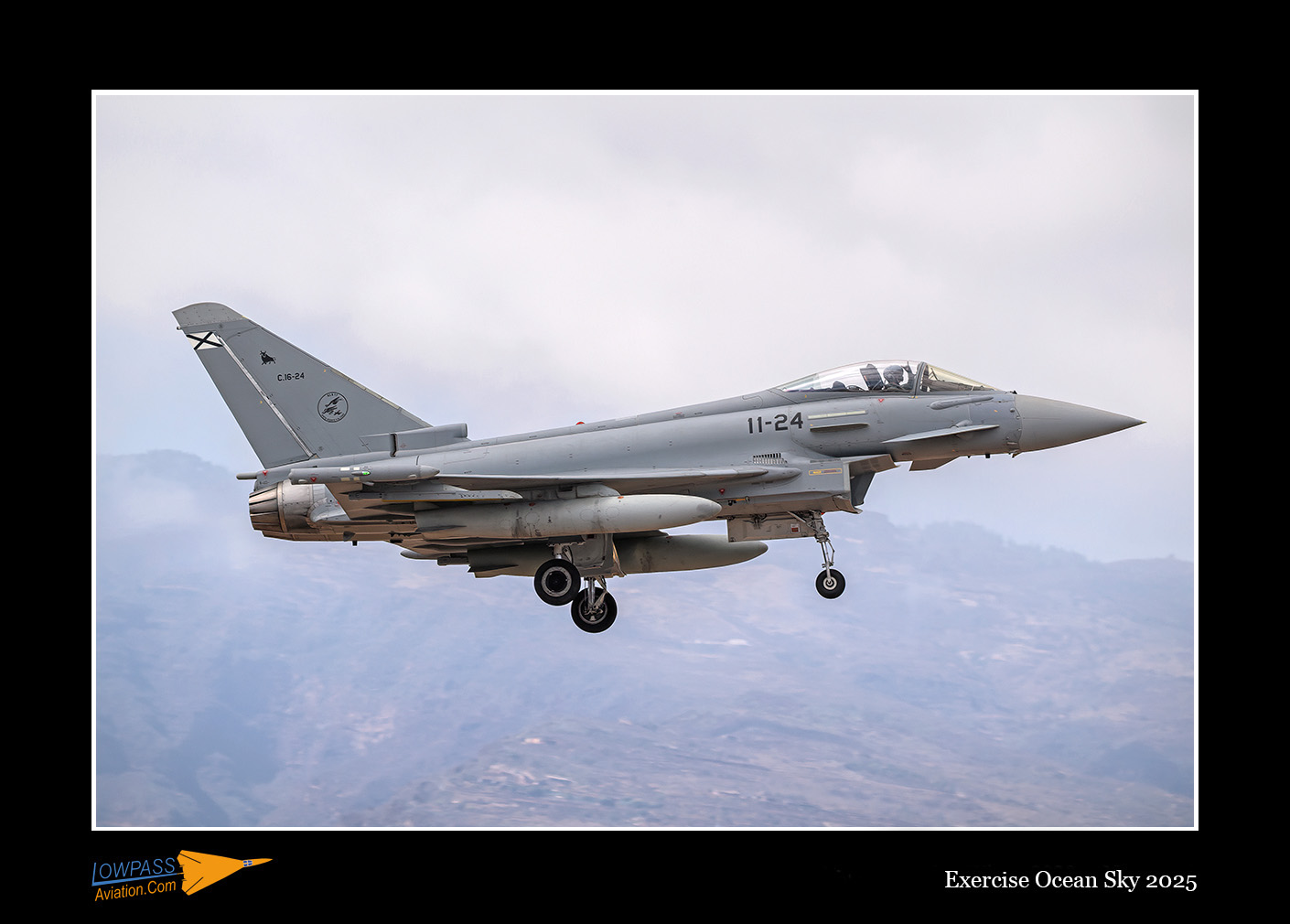
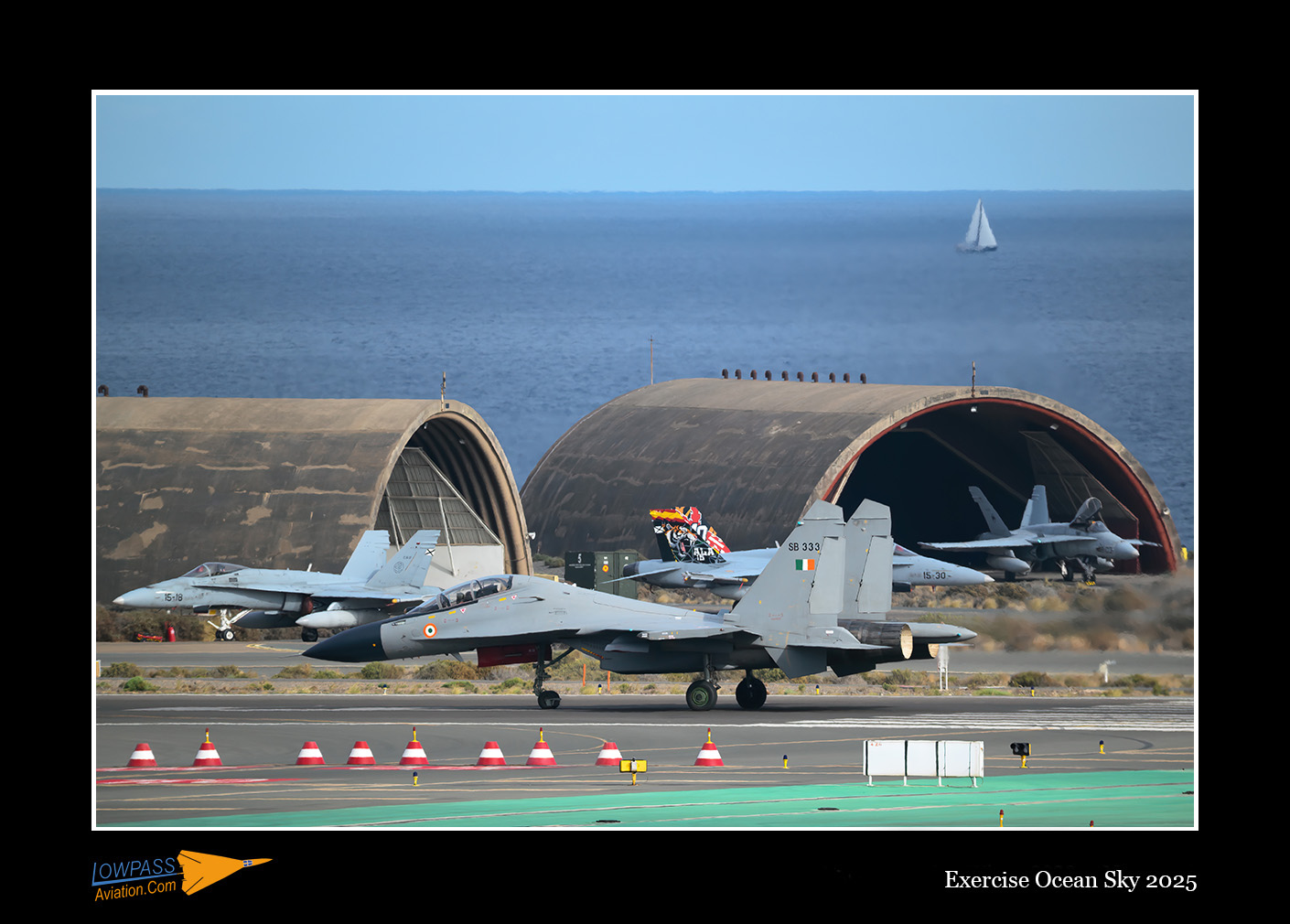
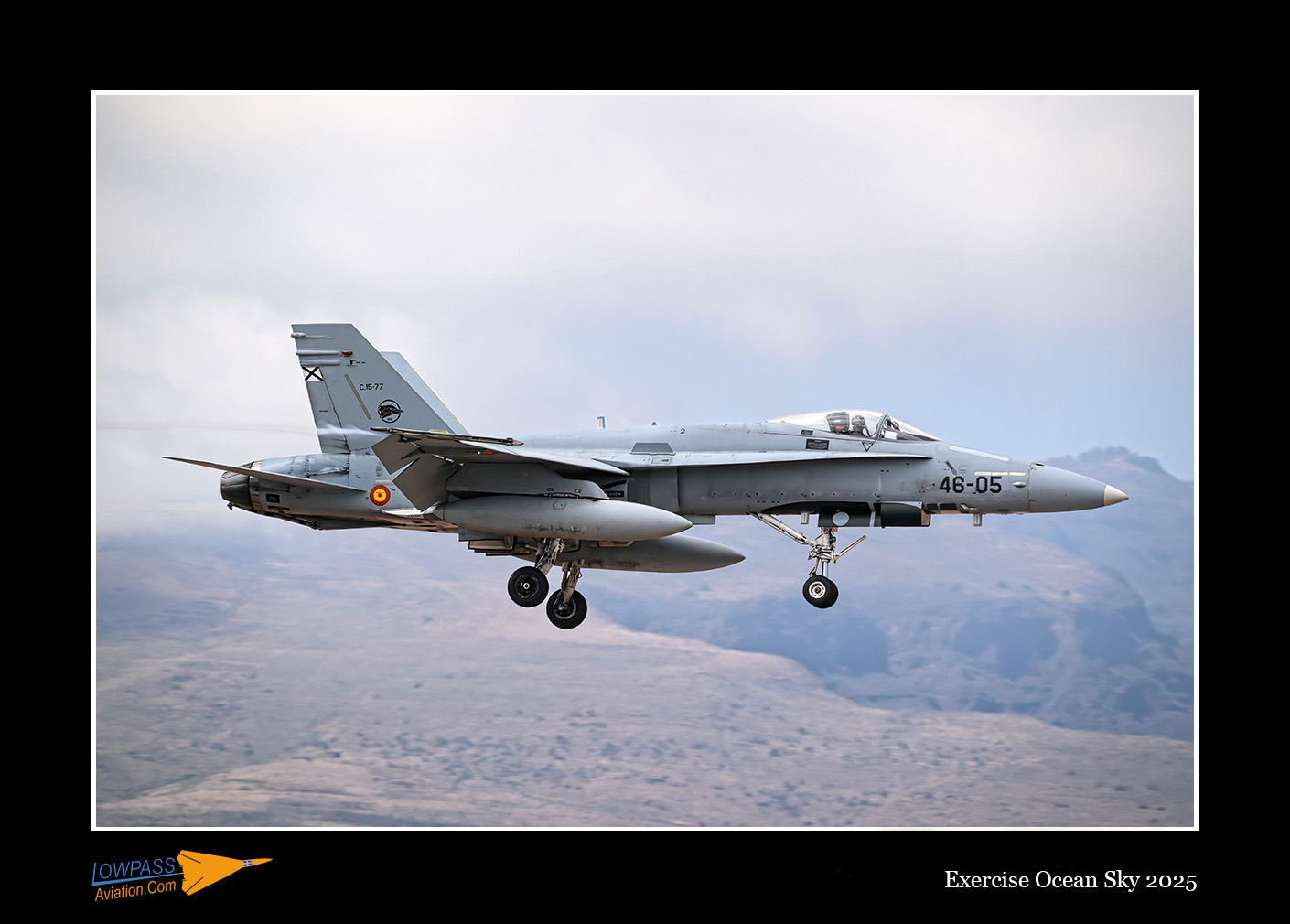
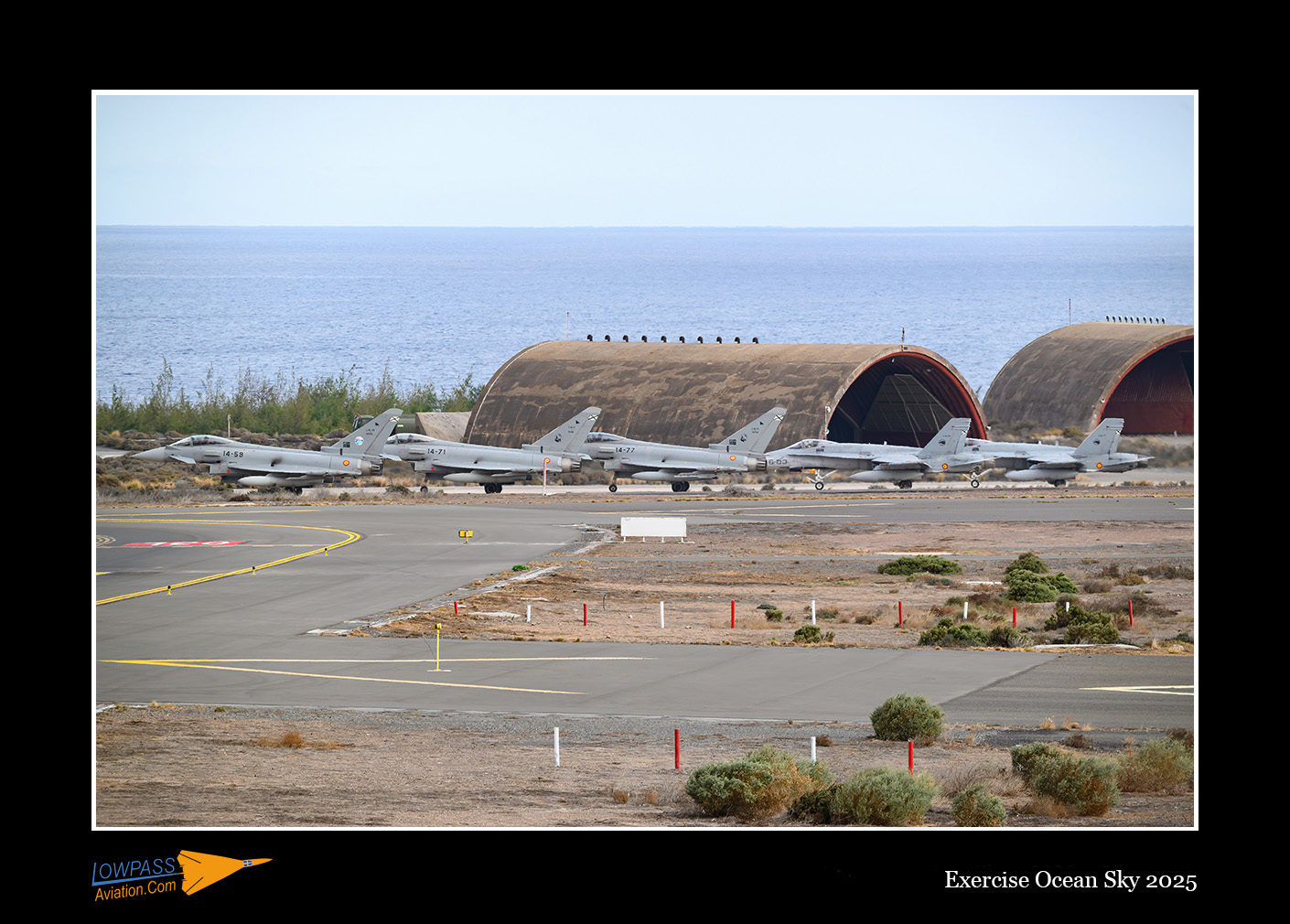
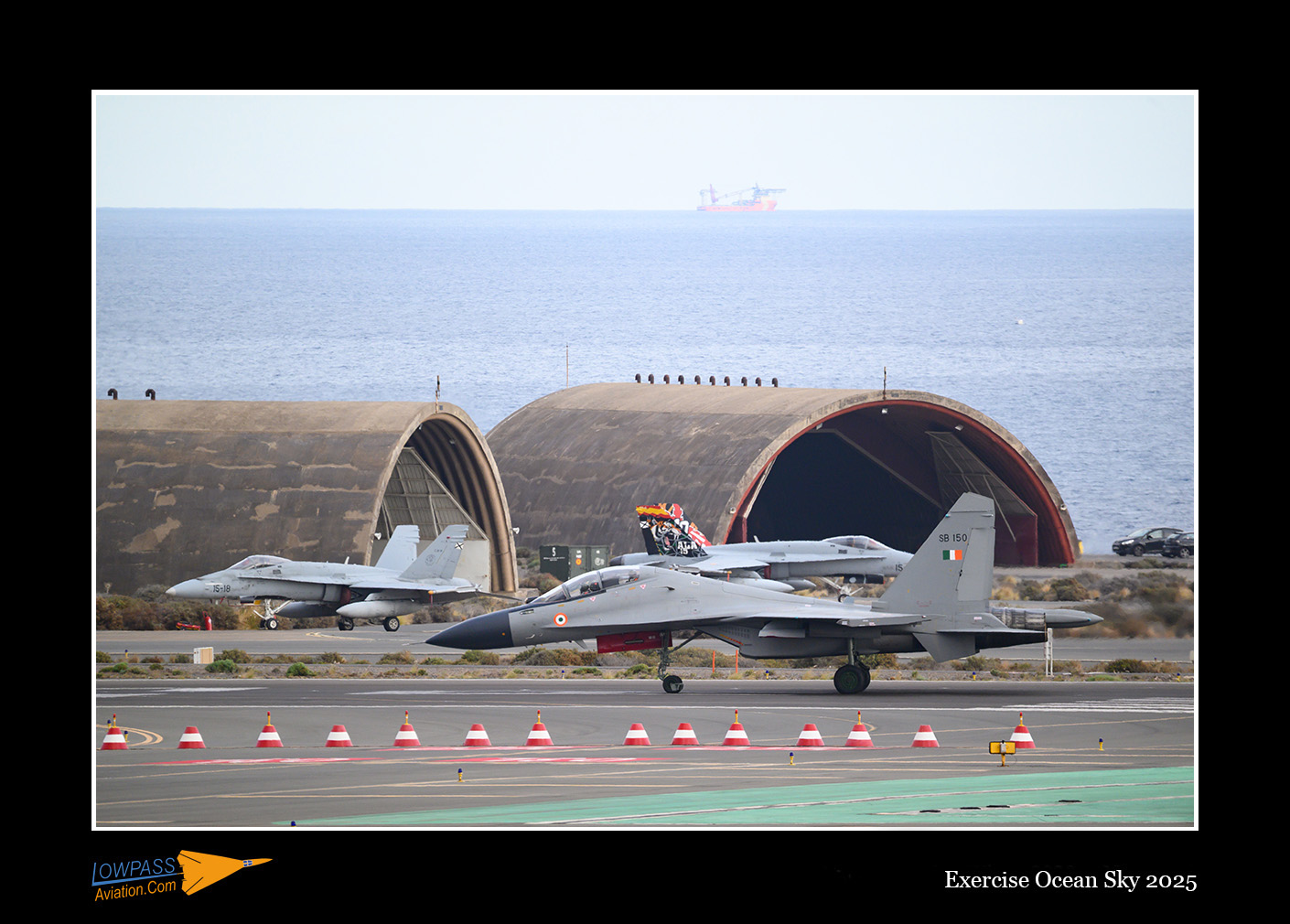
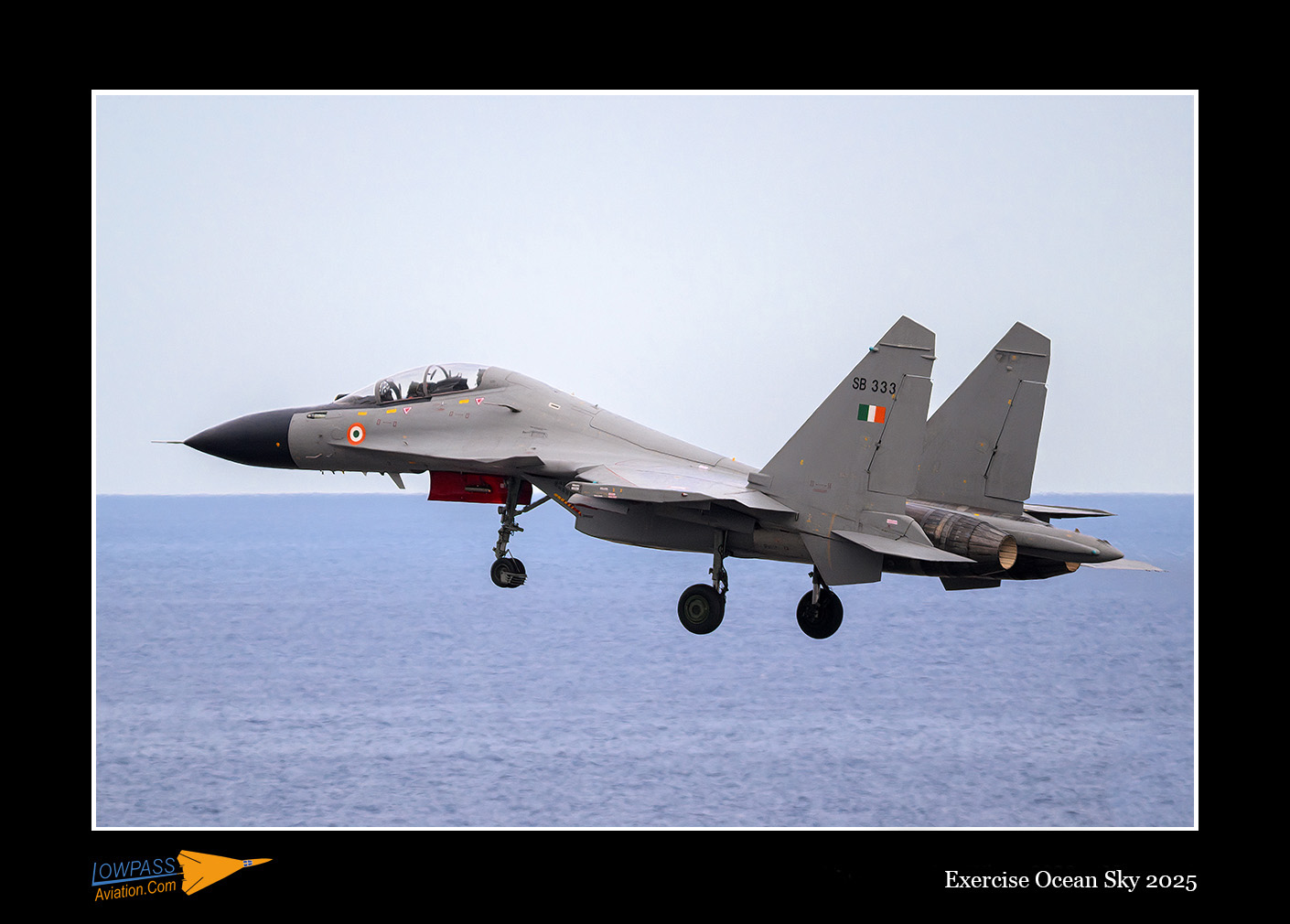
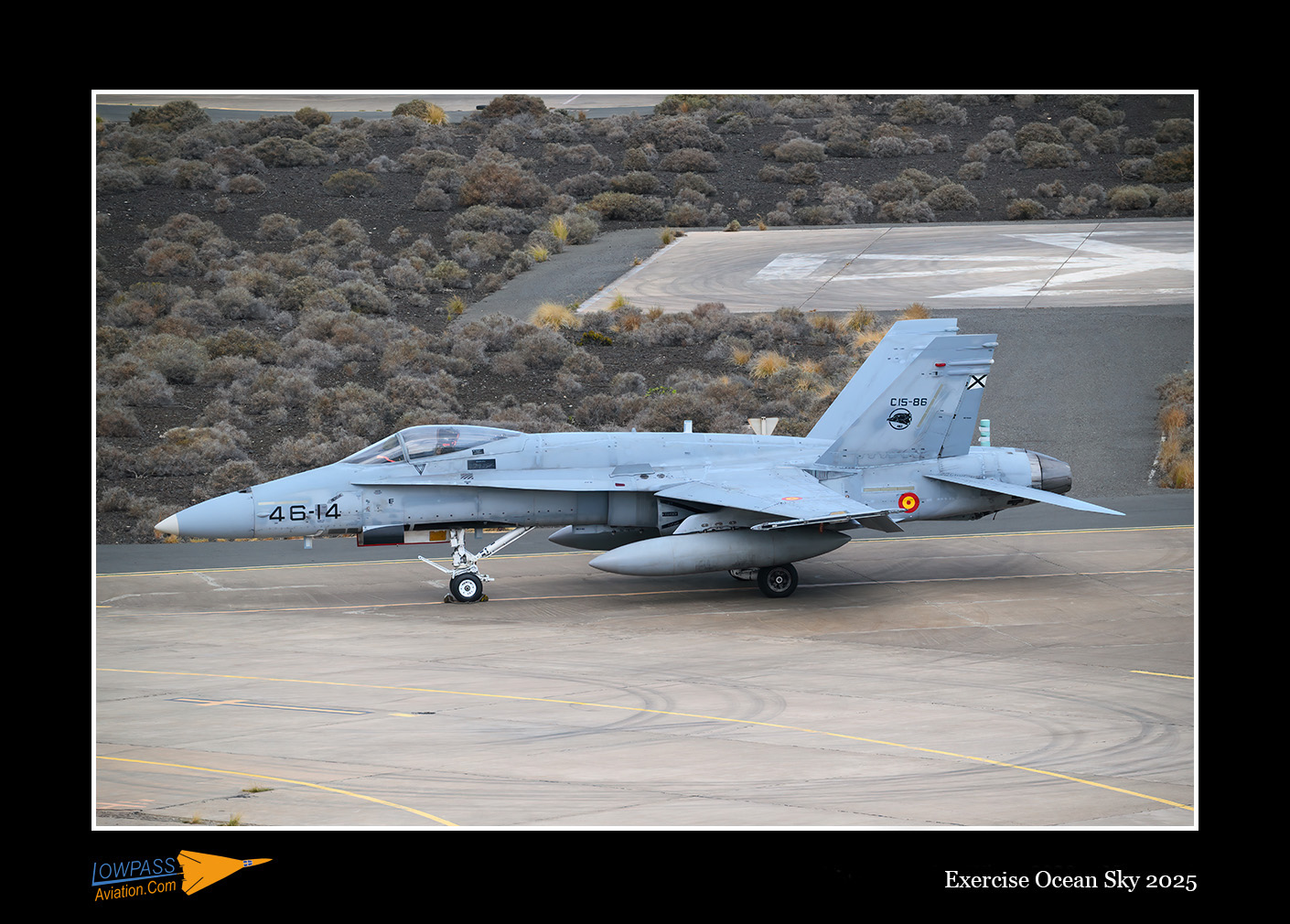
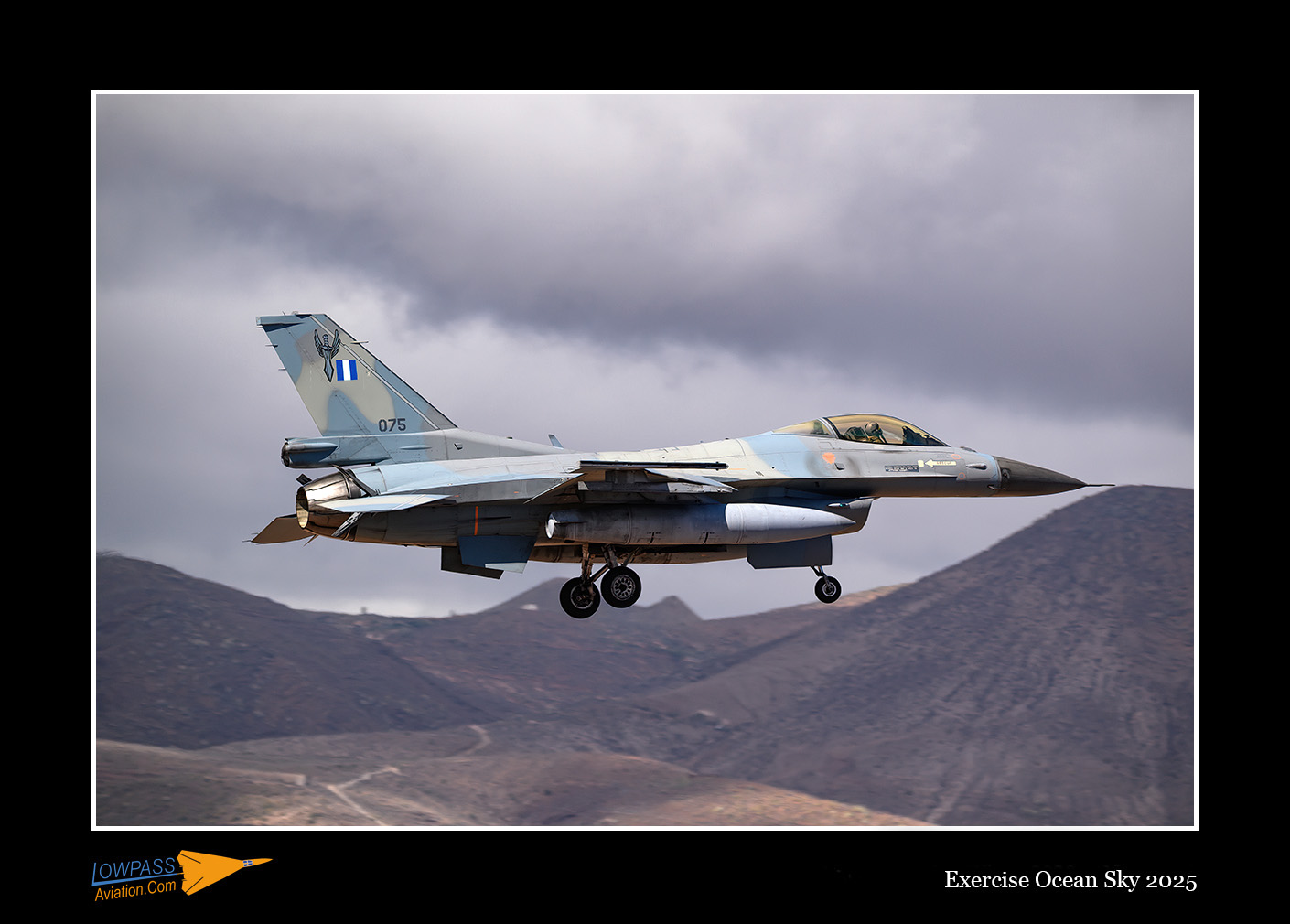
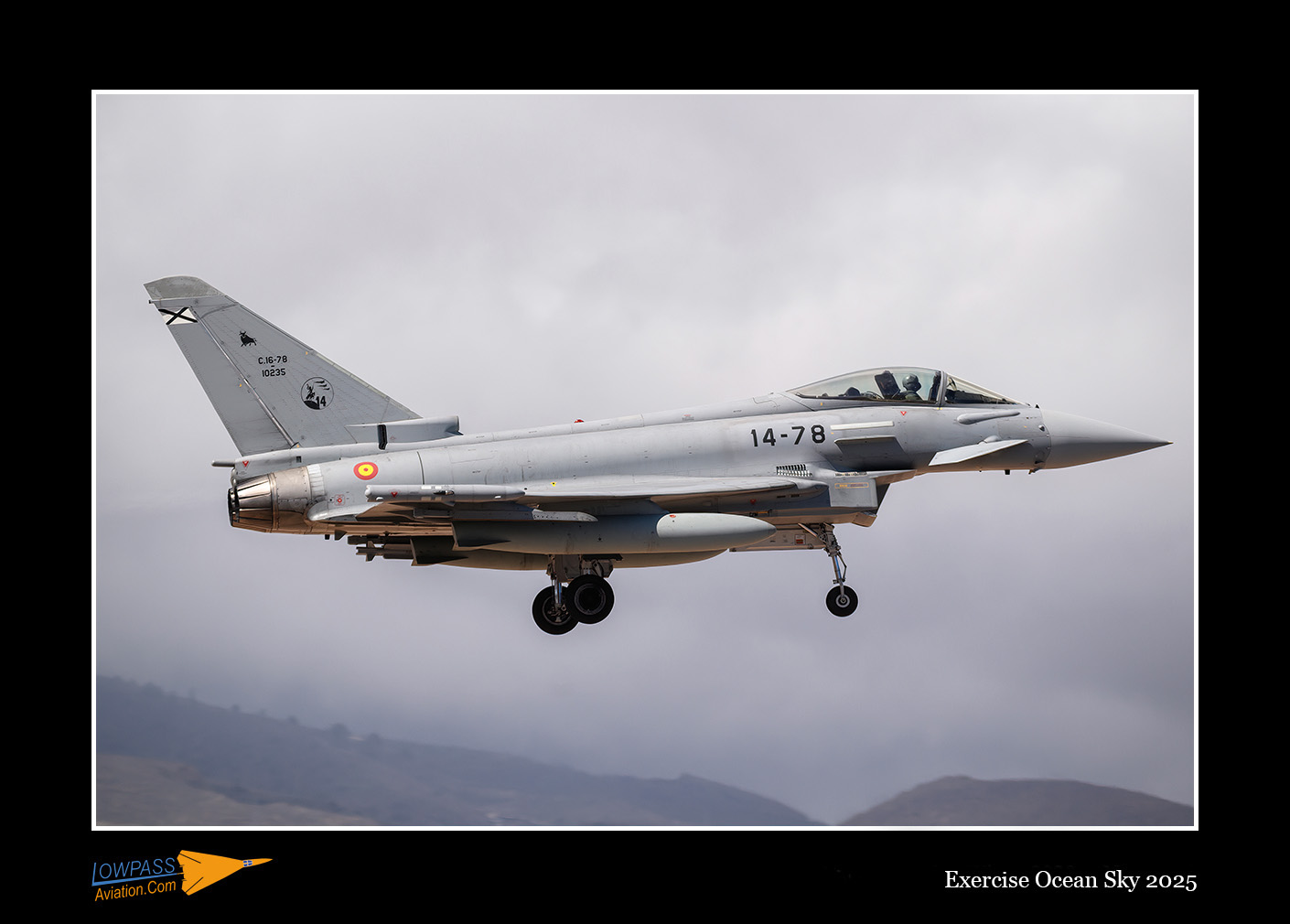
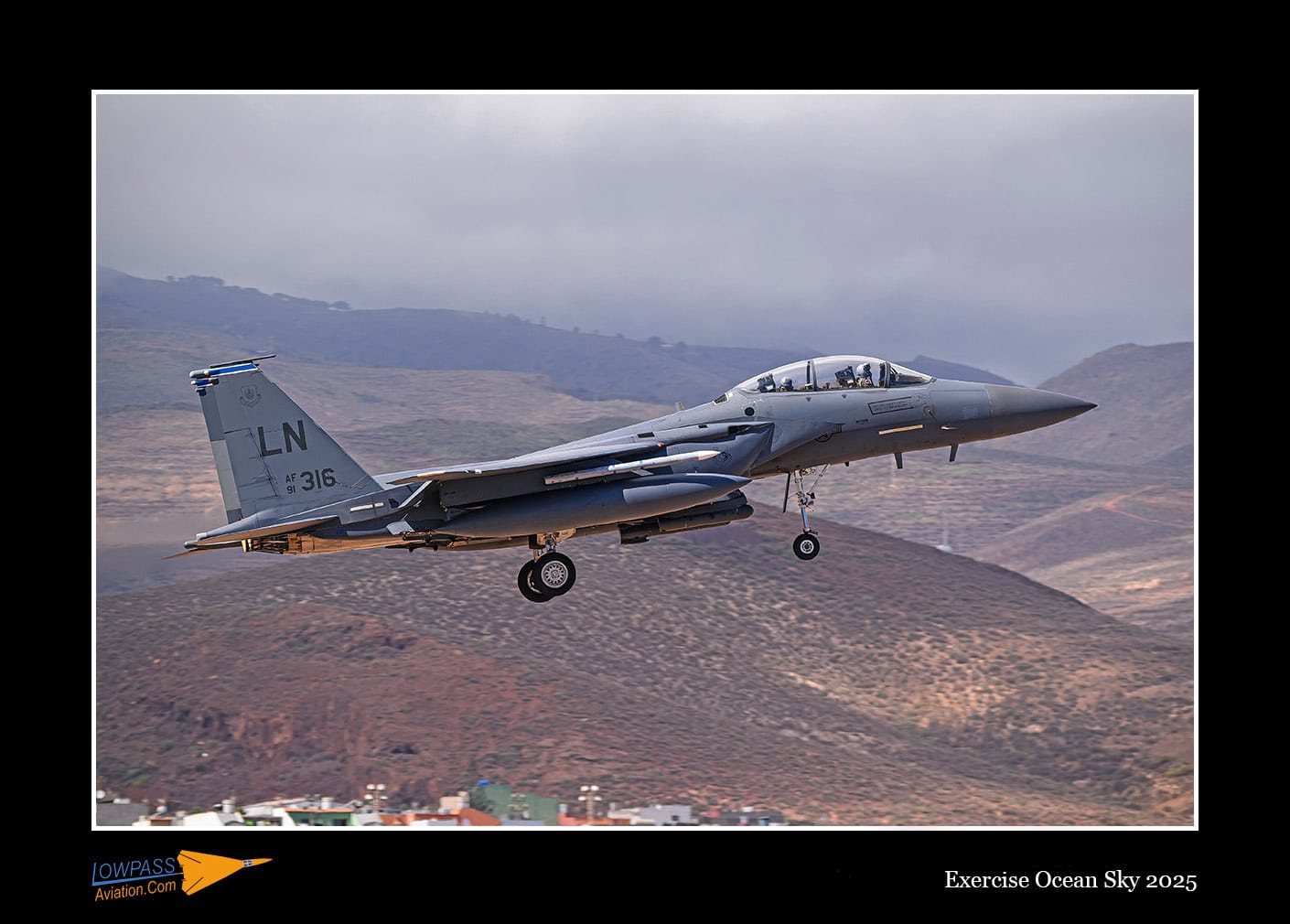
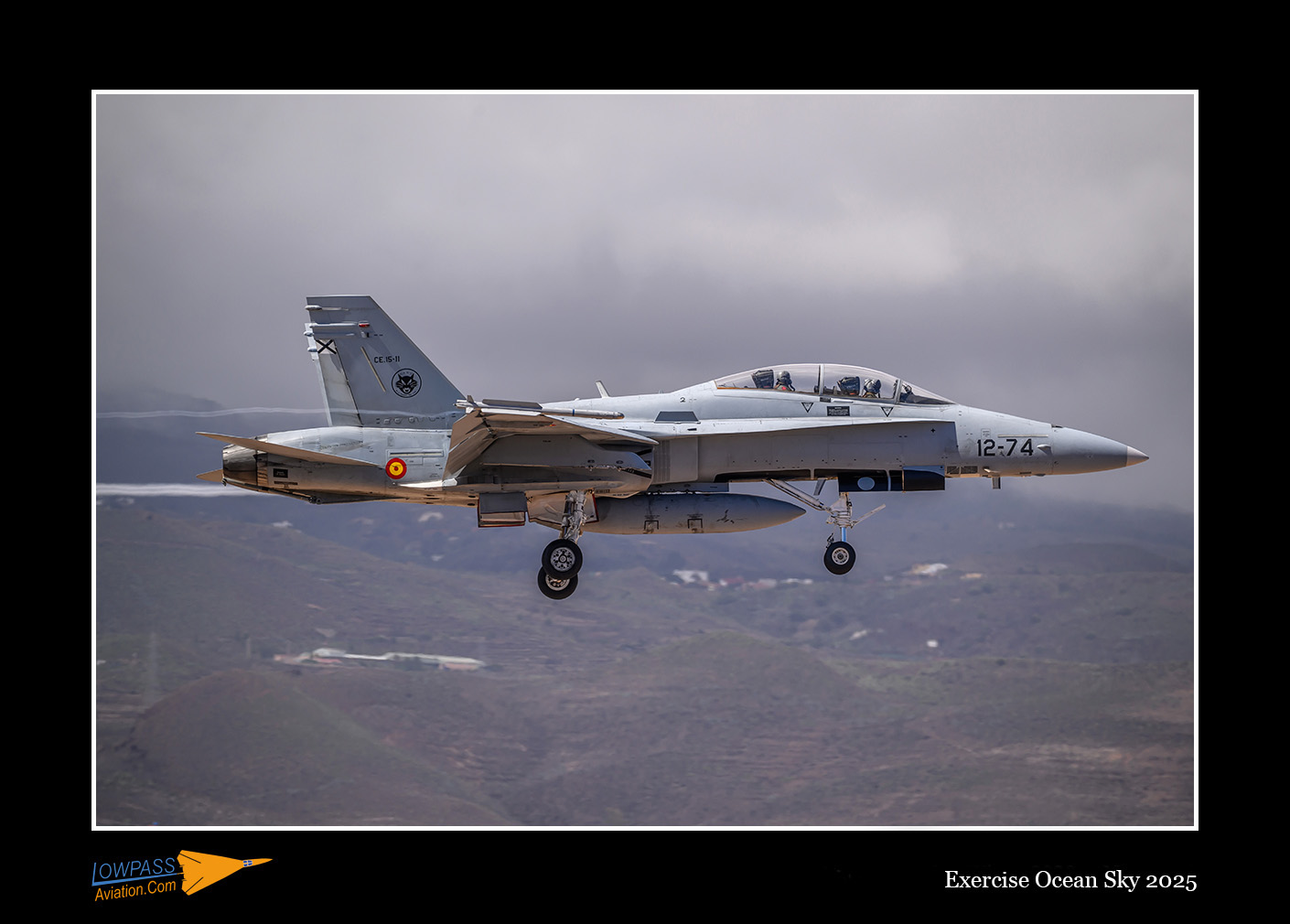
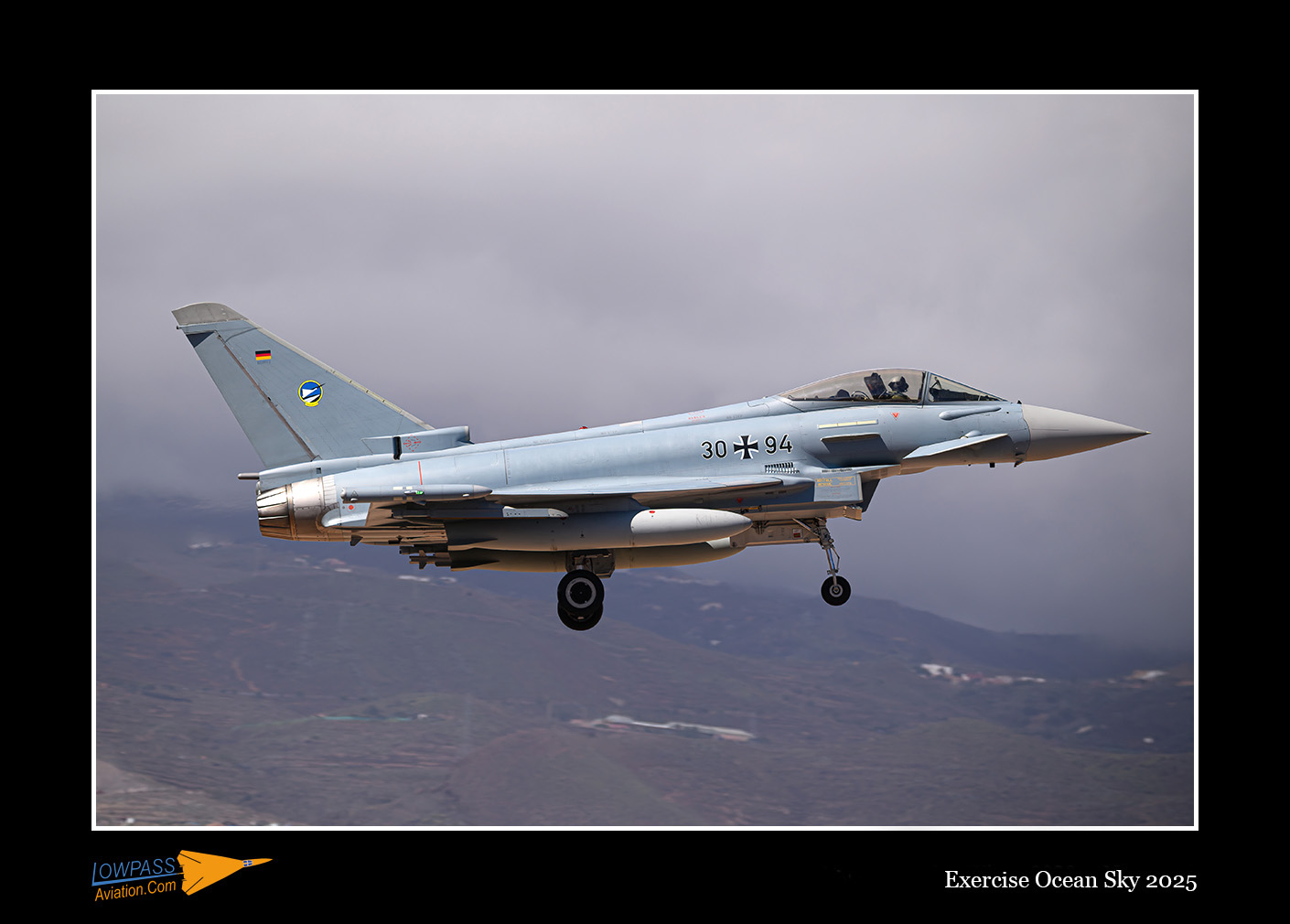
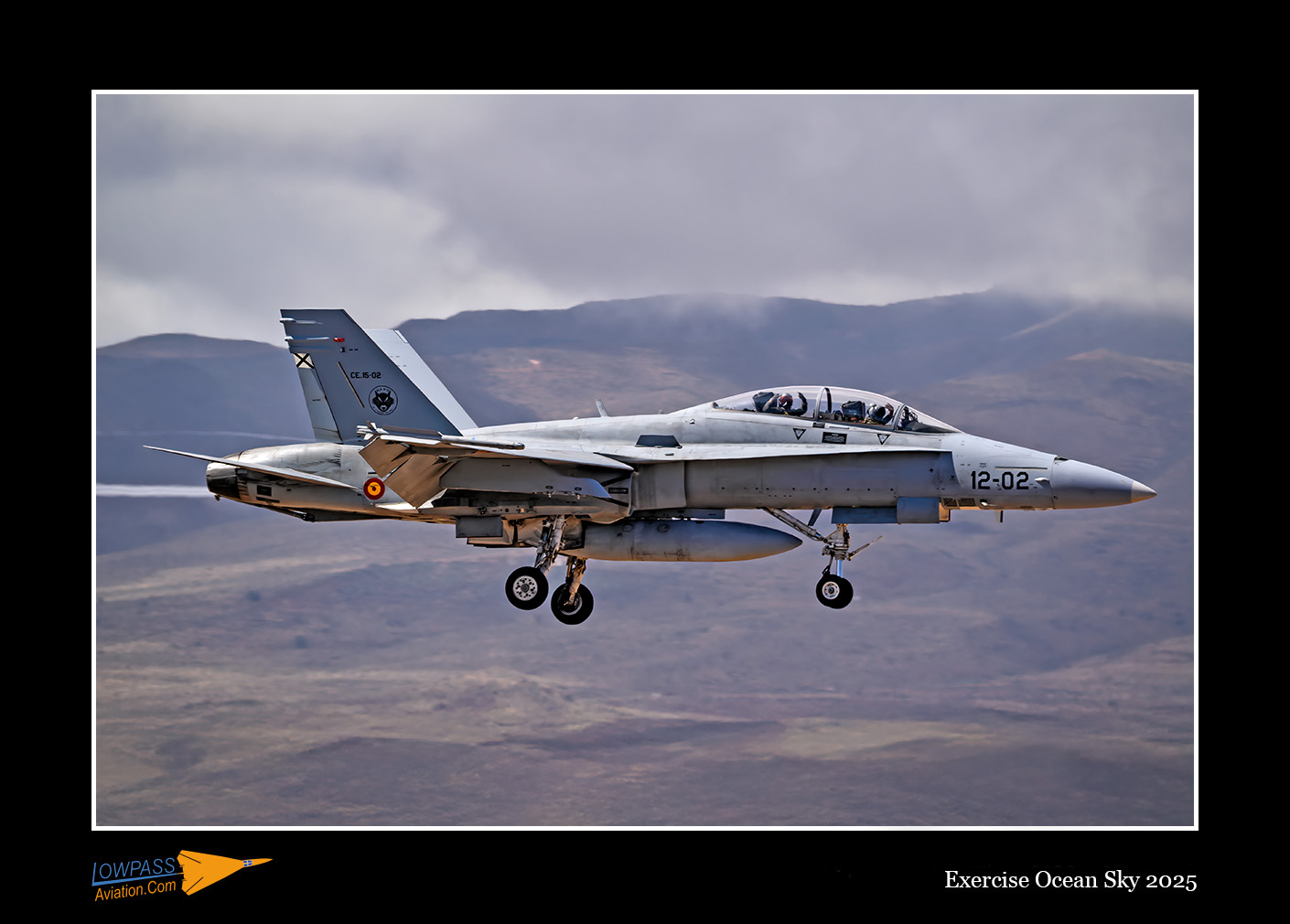
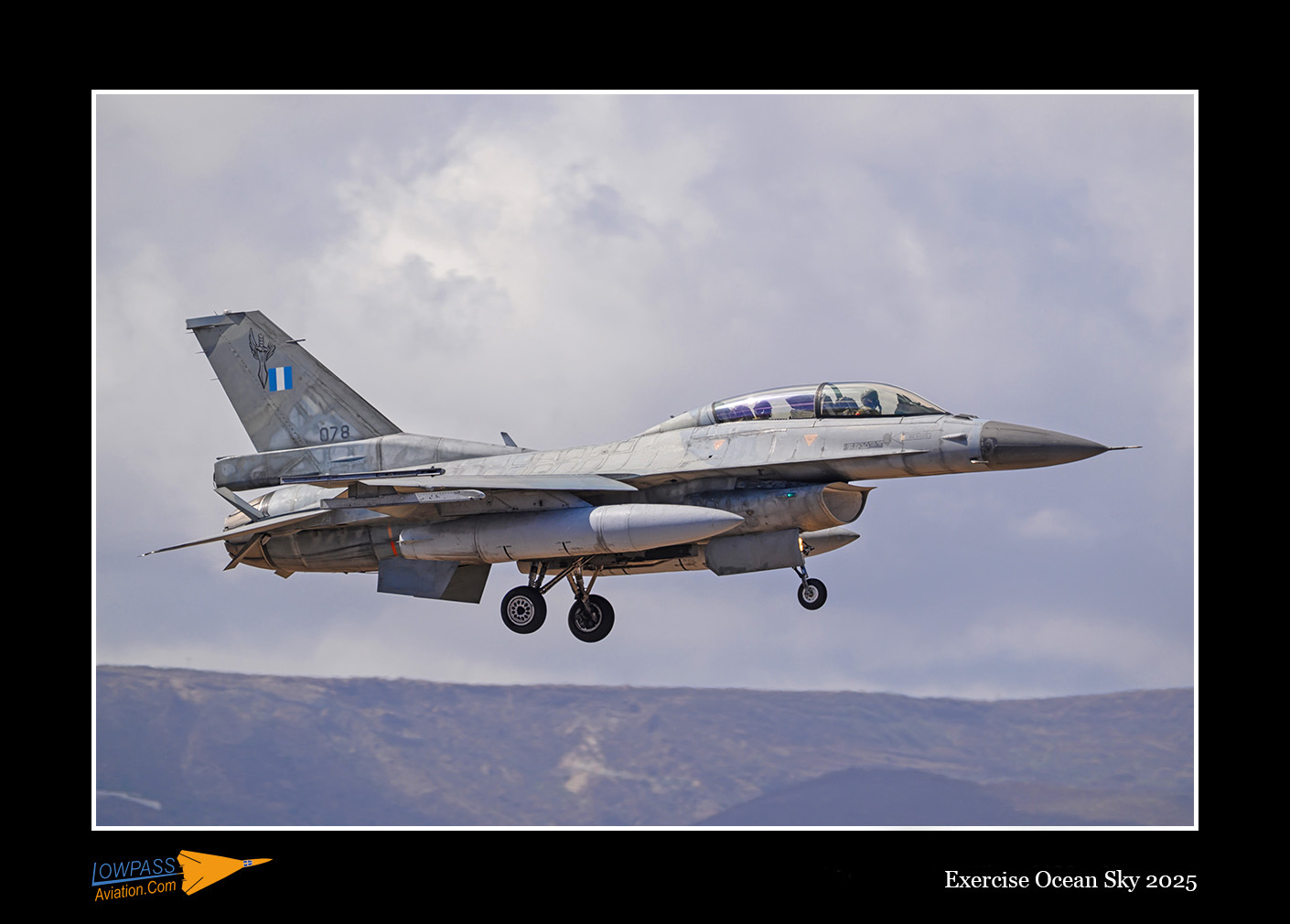
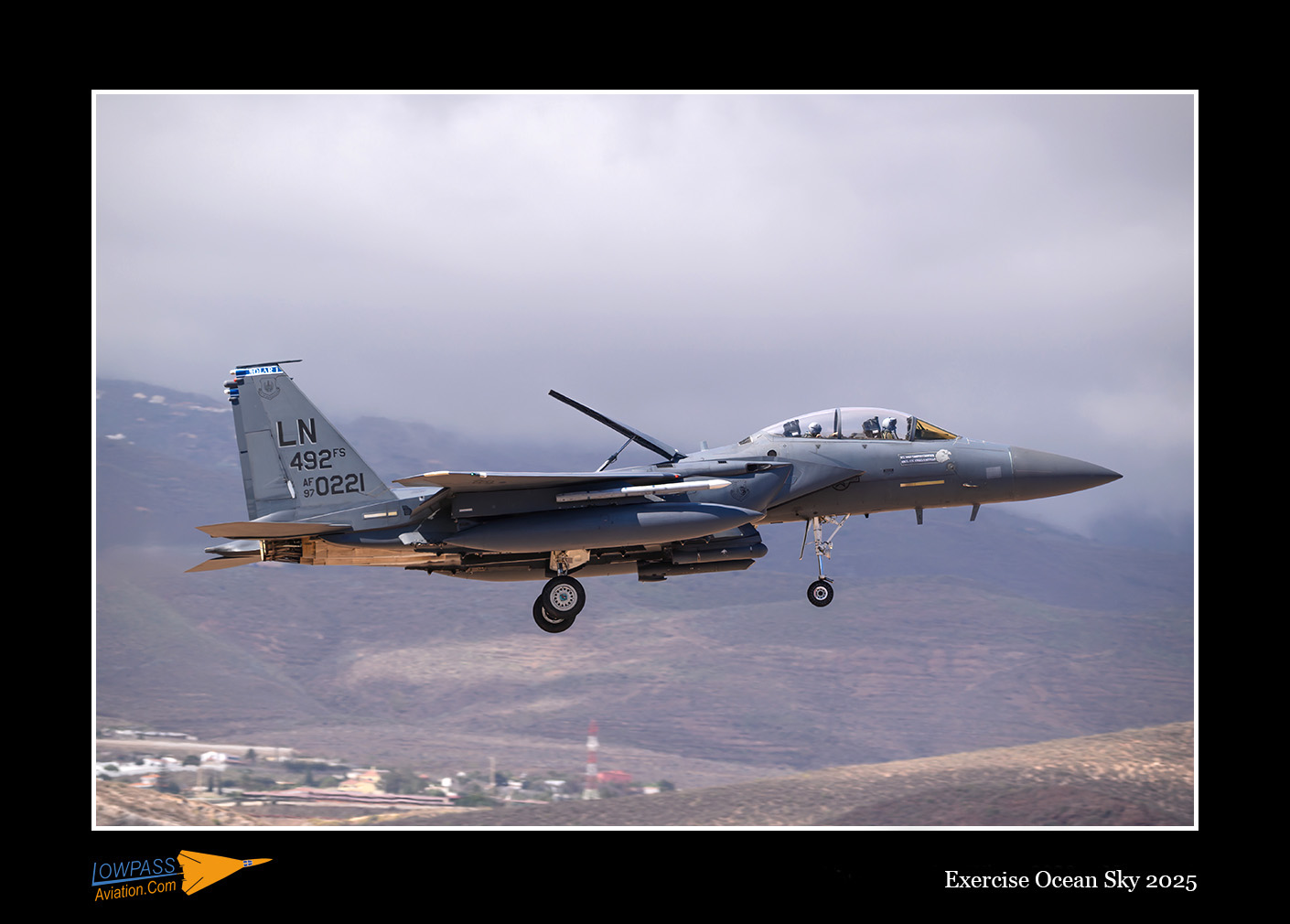
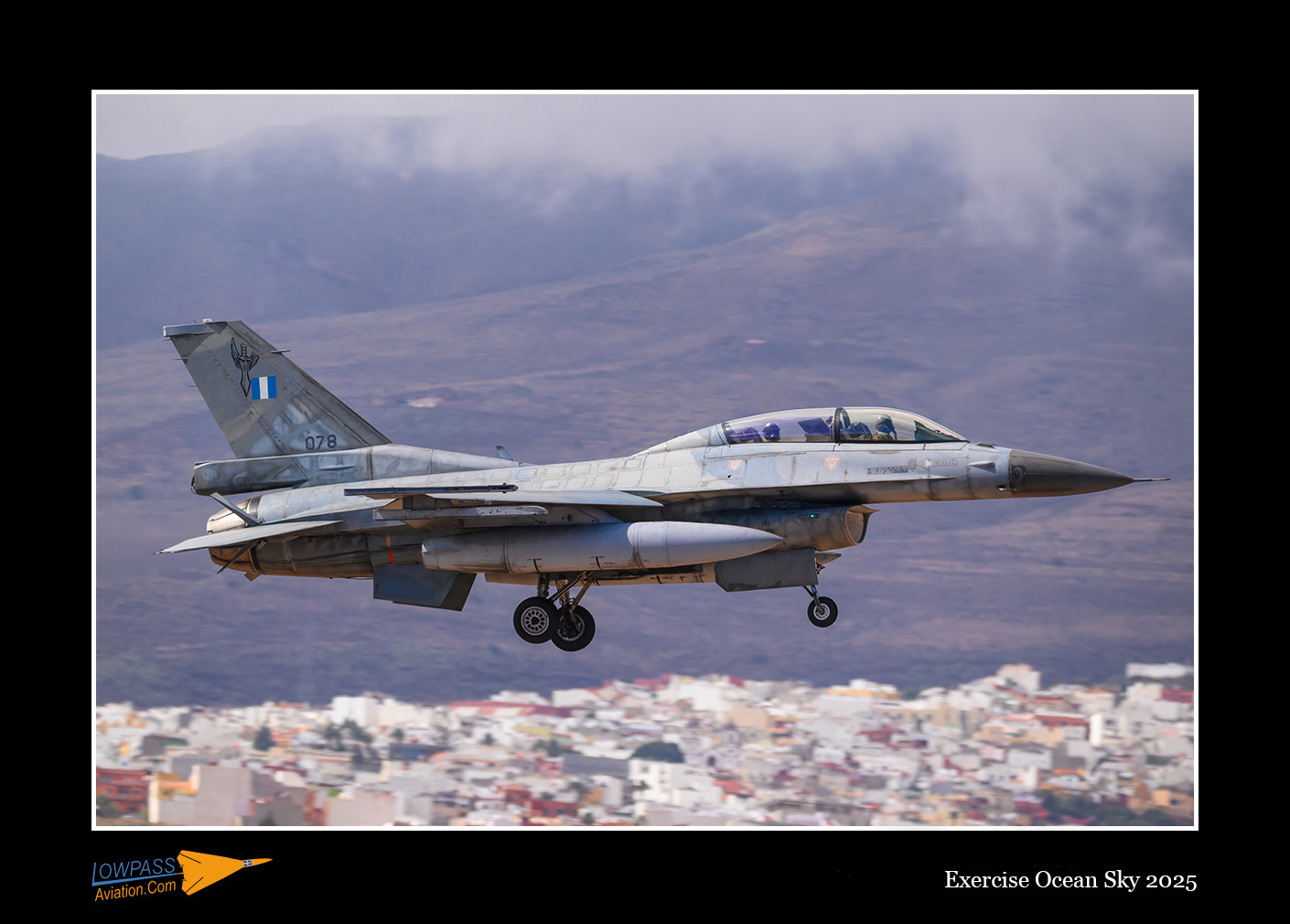
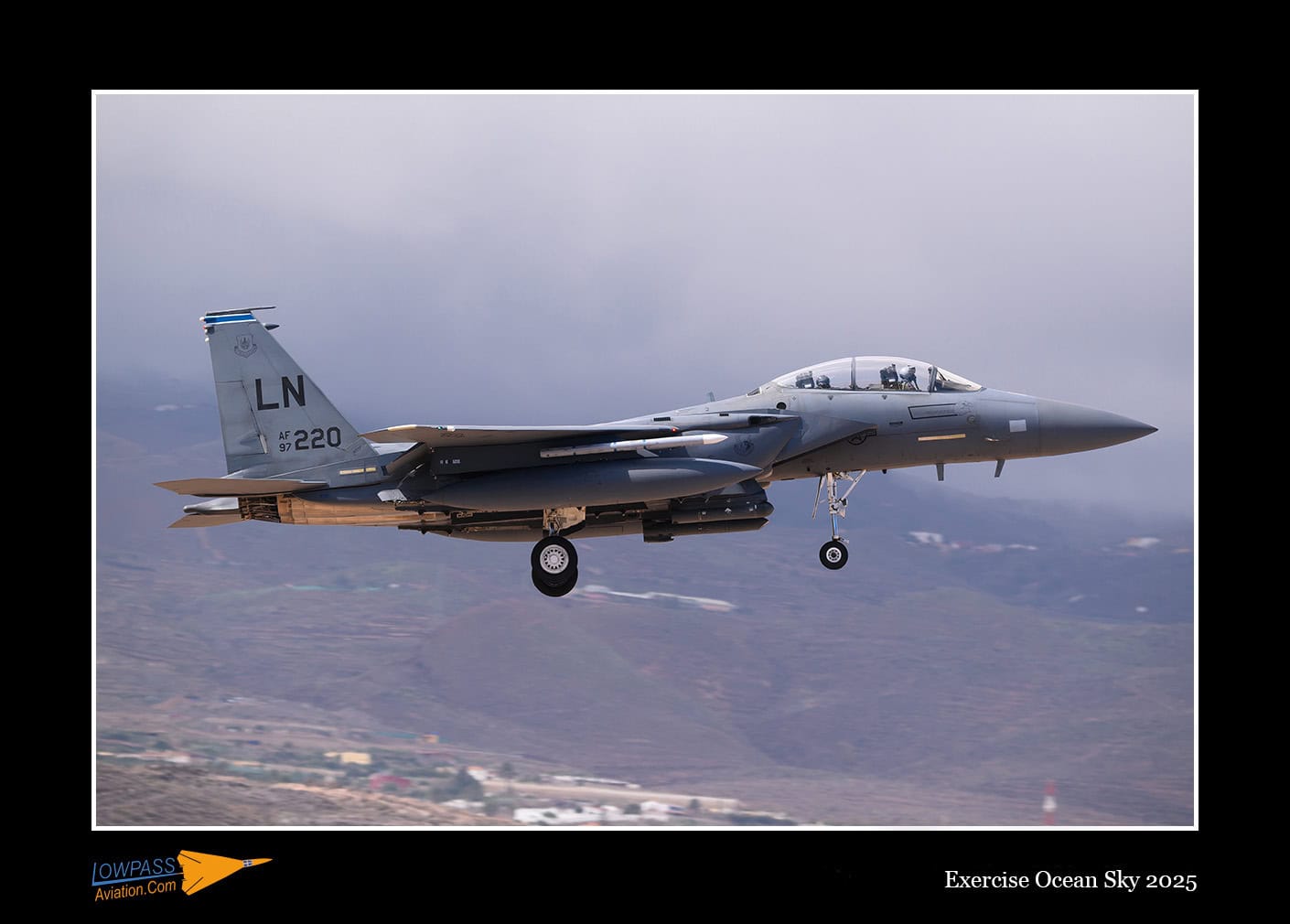
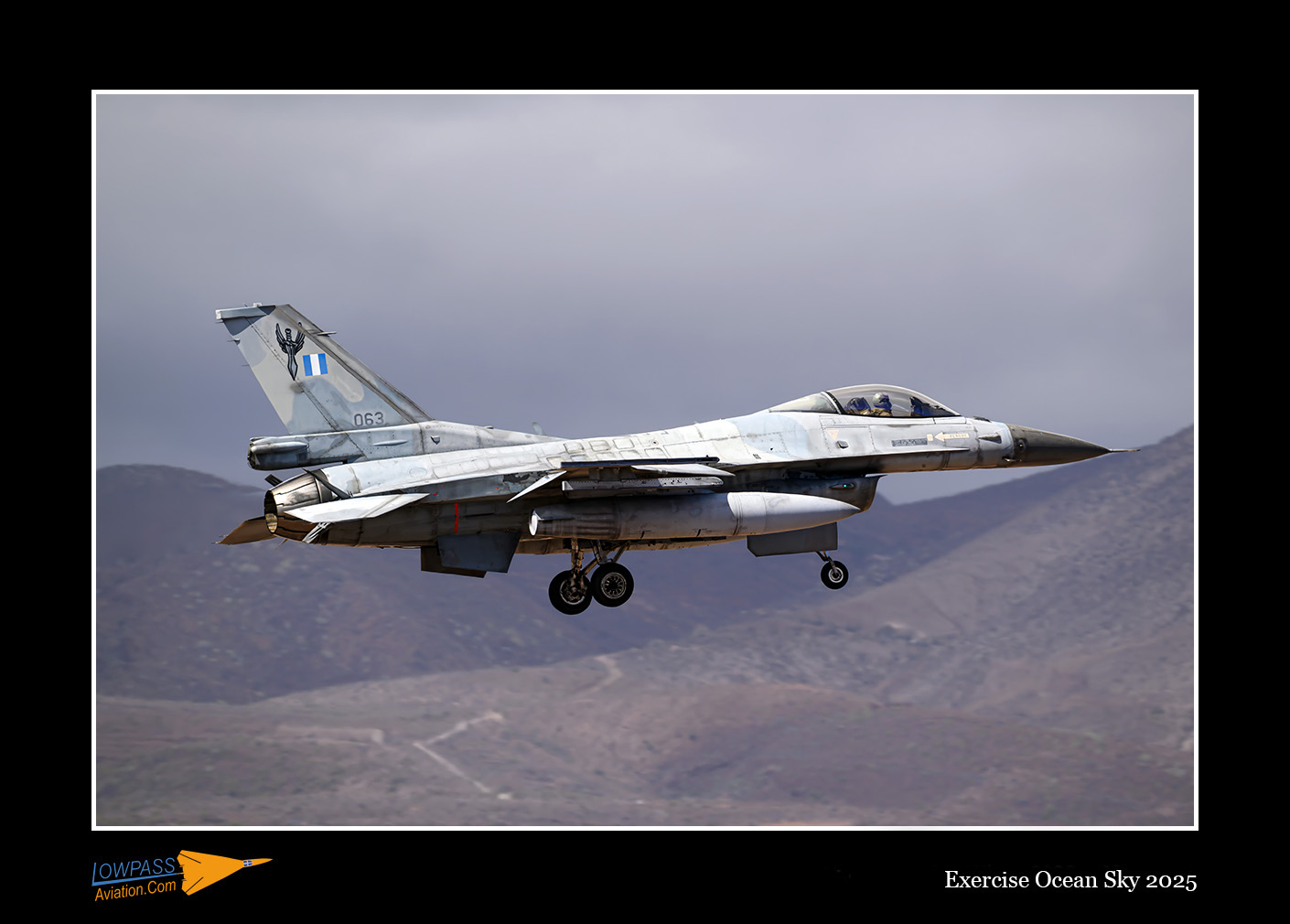

Exercise Ocean Sky
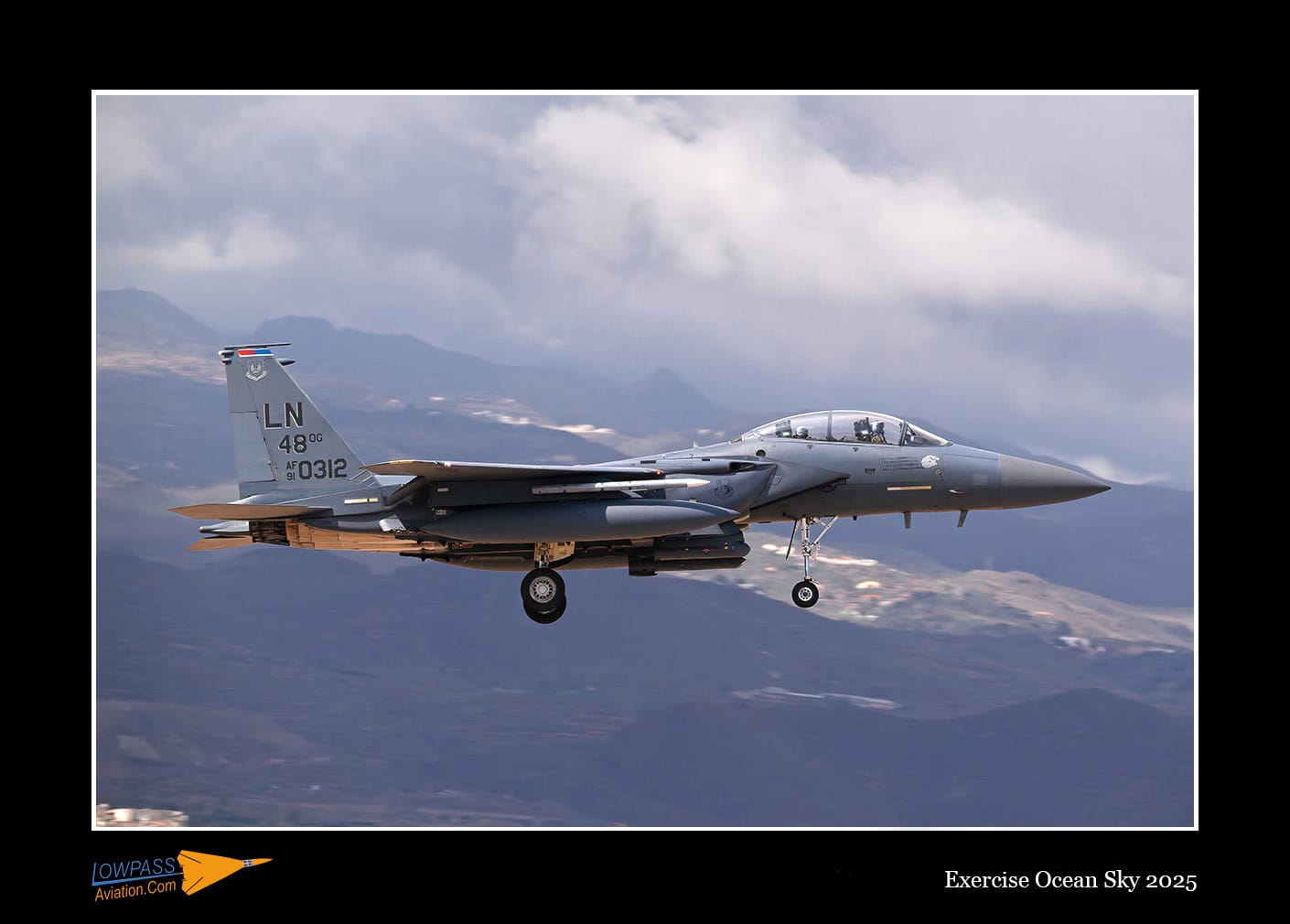
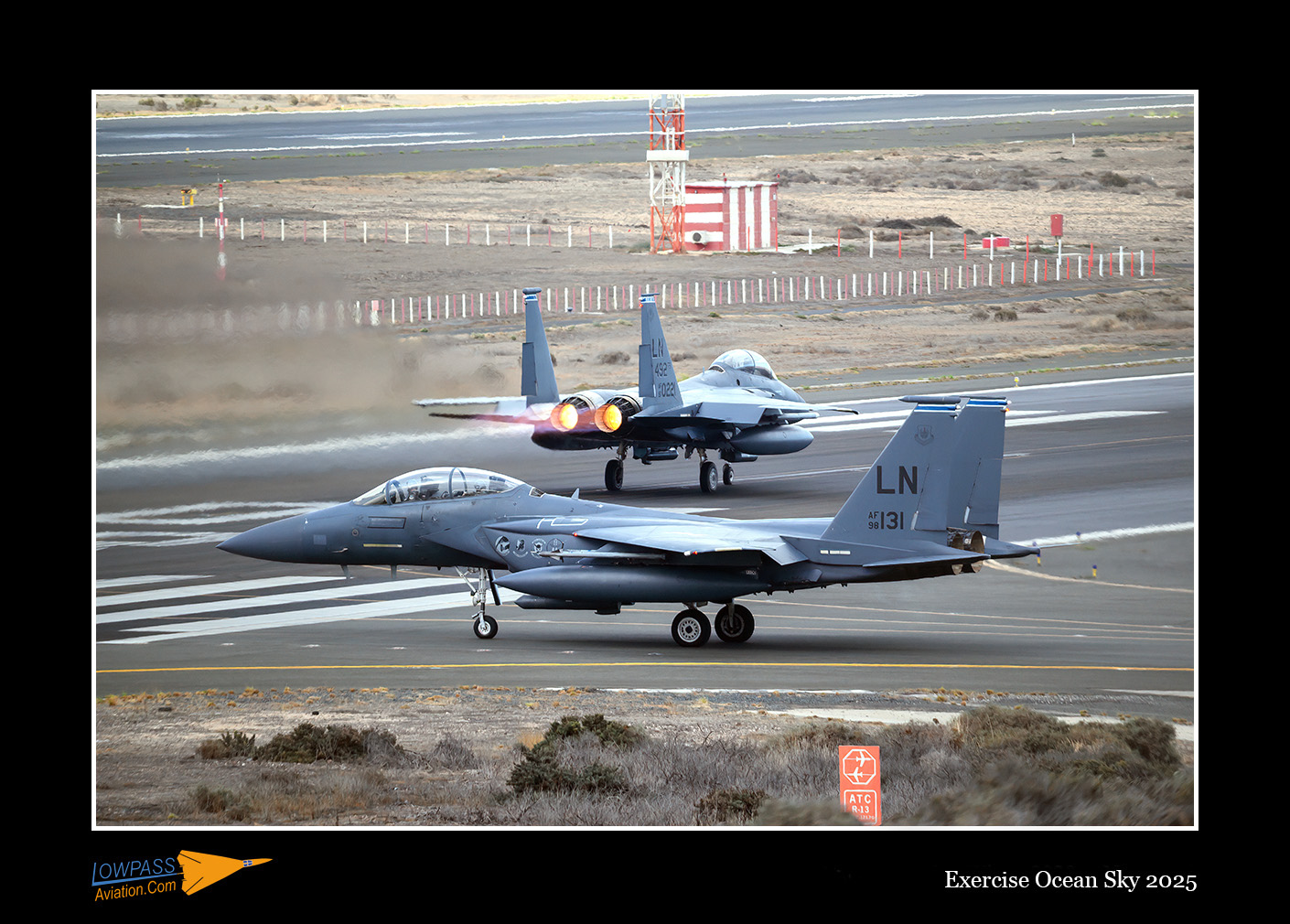
Exercise Ocean Sky 2025 took place from 15 to 31 October at Gando airbase which is at Gran Canaria, Canary Islands, Spain. Ocean Sky is one of Europe’s most advanced multinational air combat and air mobility cooperation events and an Invitation to an Exercise (INVTEX) – Live Exercise (LIVEX) which takes place every two years. Its purpose is to train in Air-to-Air missions which created a highly demanding operational environment, contributing to the promotion of the level of operational readiness, combat capability and cooperation of the participants in a multilateral and allied context. The missions included Offensive Counter Air (OCA), Defensive Counter Air (DCA), High-Value Airborne Asset Attack/Protect (HVAA Attack/Protect) and Combat Search and Rescue (CSAR) missions. The air defense of the Canary archipelago, like that of the rest of the Spanish territory, is the responsibility of NATO with the national means placed at its disposal. The Ocean Sky exercise increases the level of preparation for air-to-air combat of fighter units and will contribute to improving the security and defense of Spanish airspace. This exercise is an opportunity for Spanish and foreign military units to train together and improve their interoperability, tactical leadership and international cooperation which is essential in real conflict situations. As in previous years, Ocean Sky 2025 was a success, and to contribute to strengthening the military capacity of Spain and its international allies. The stable weather and low air traffic density uniquely empowered complex large-force scenarios and engagements between large and combined air forces.
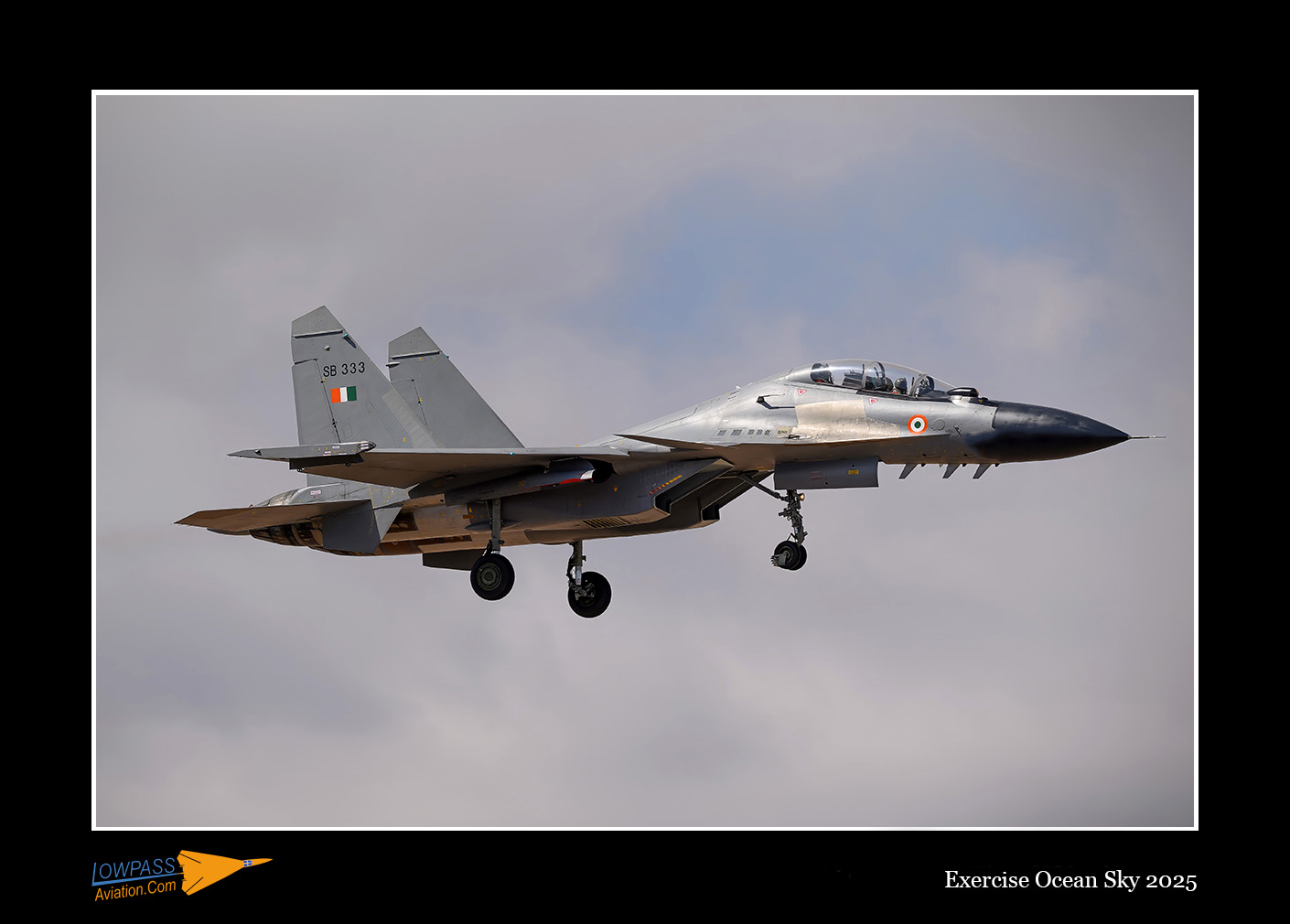
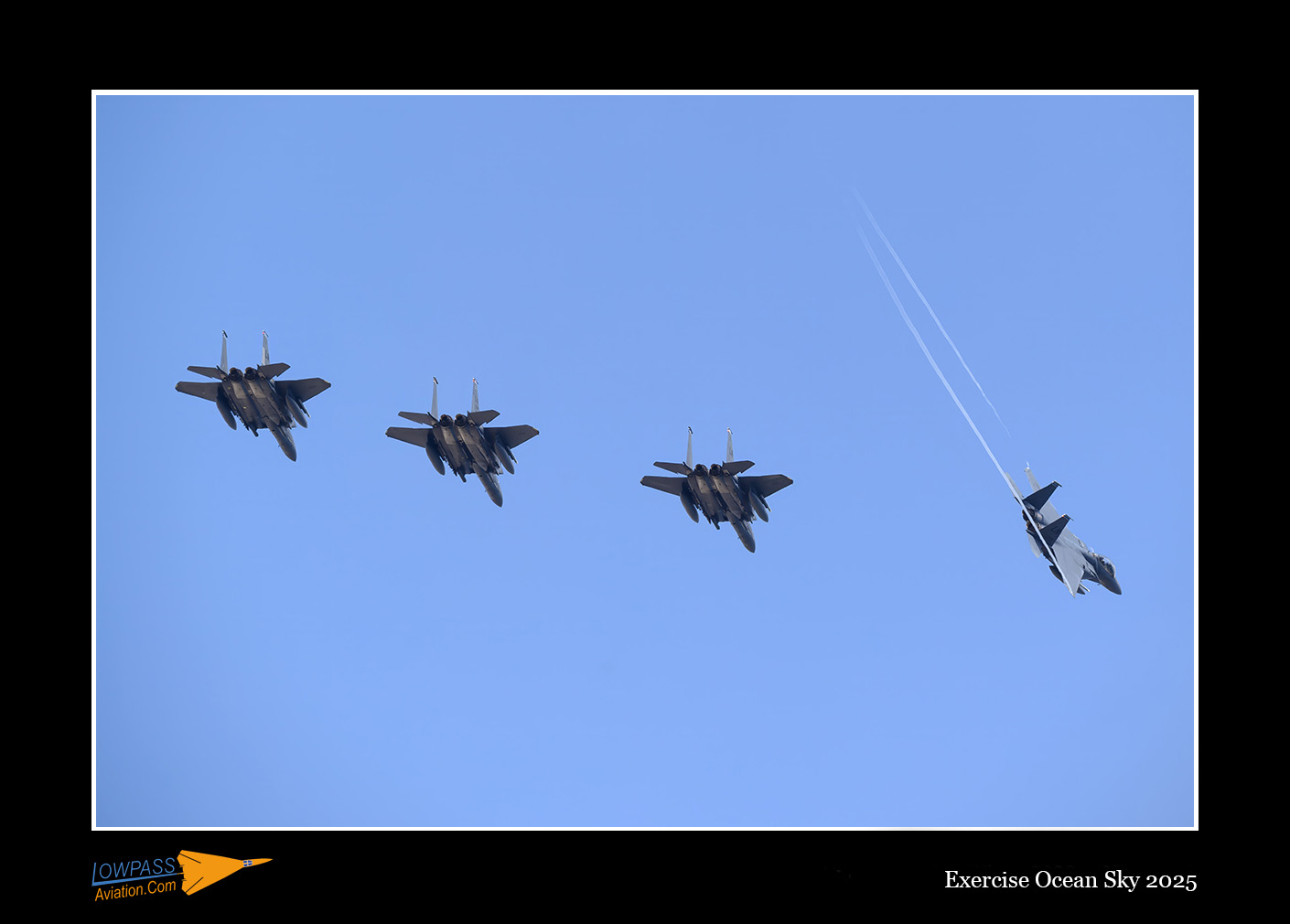
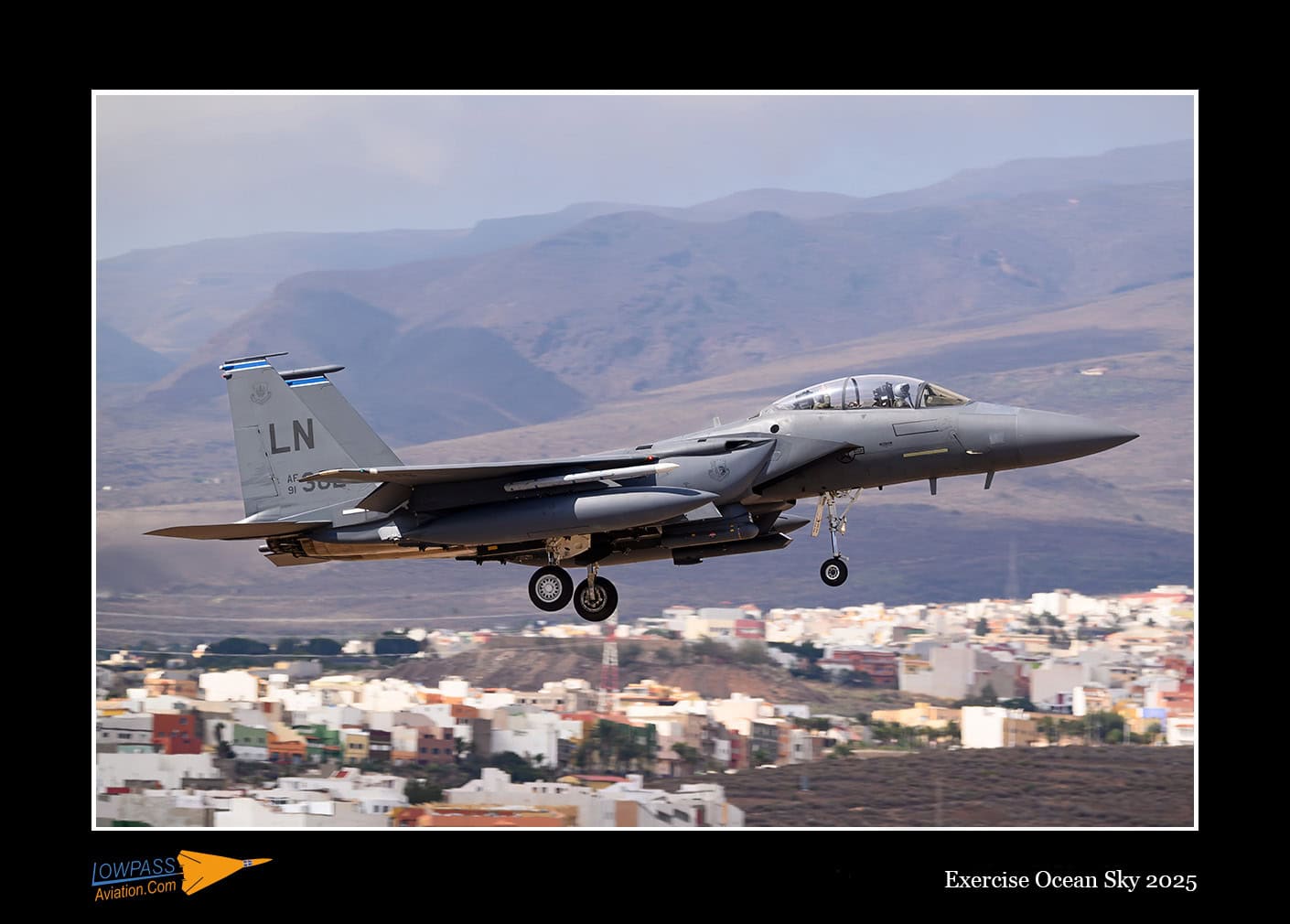
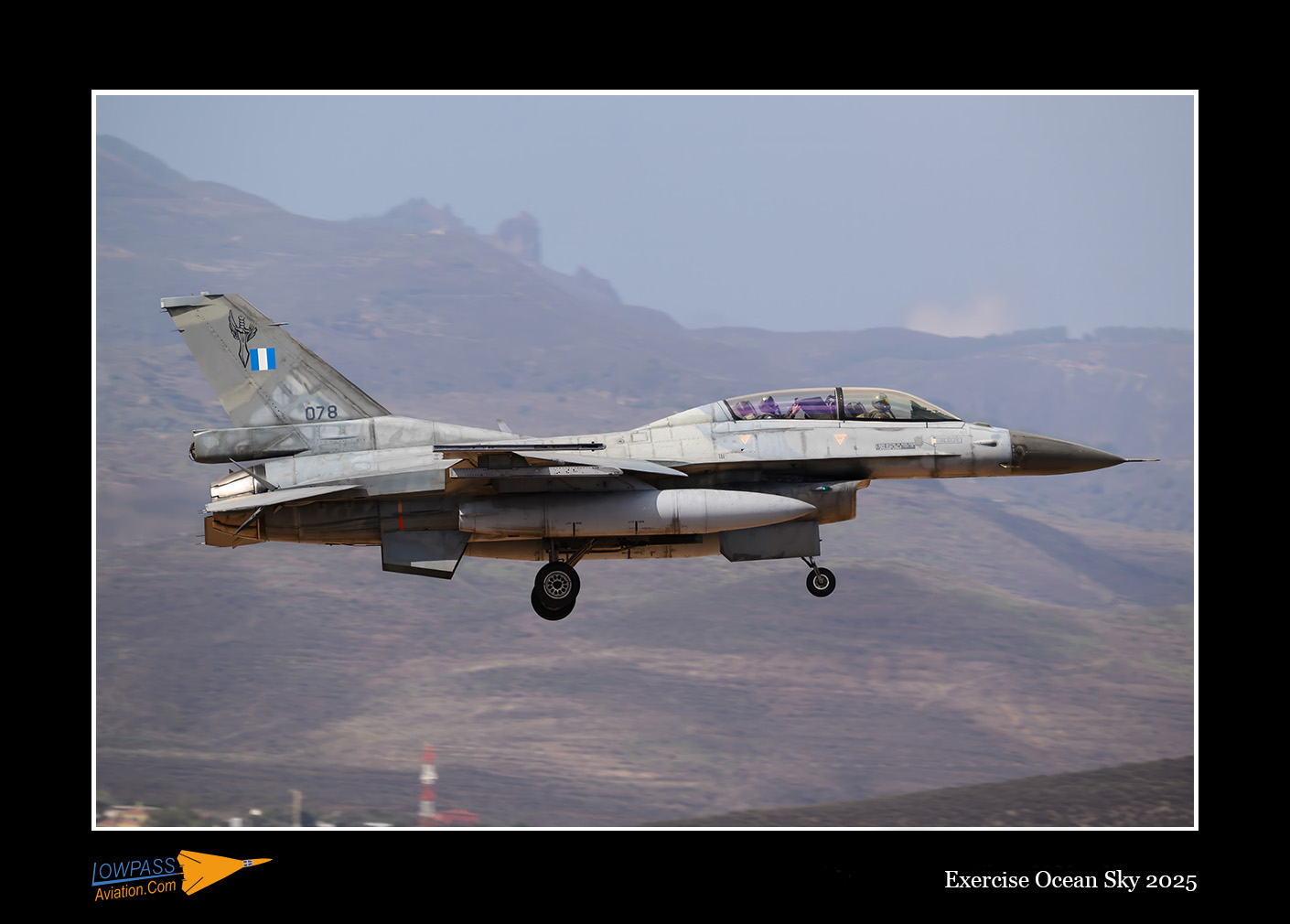
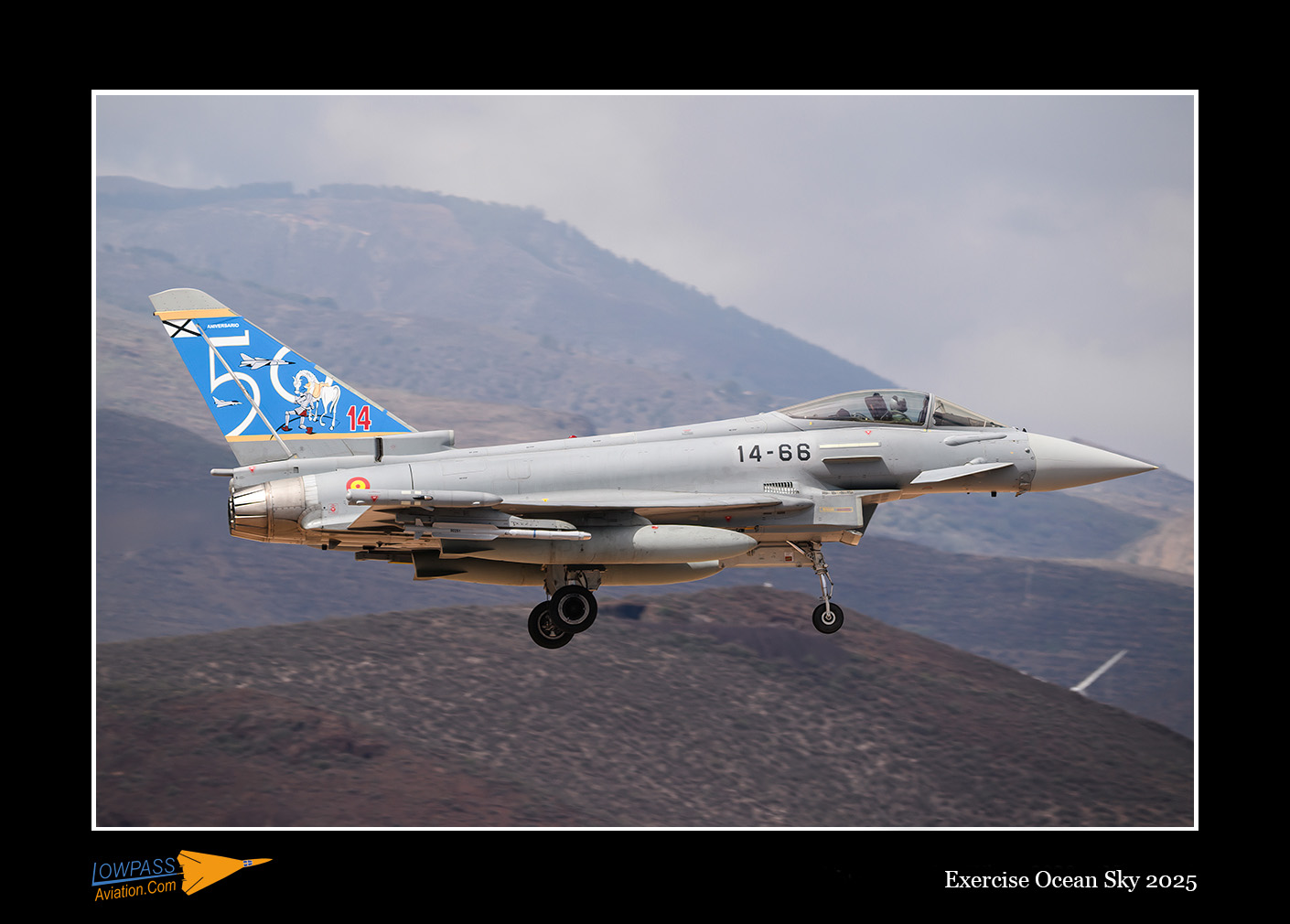
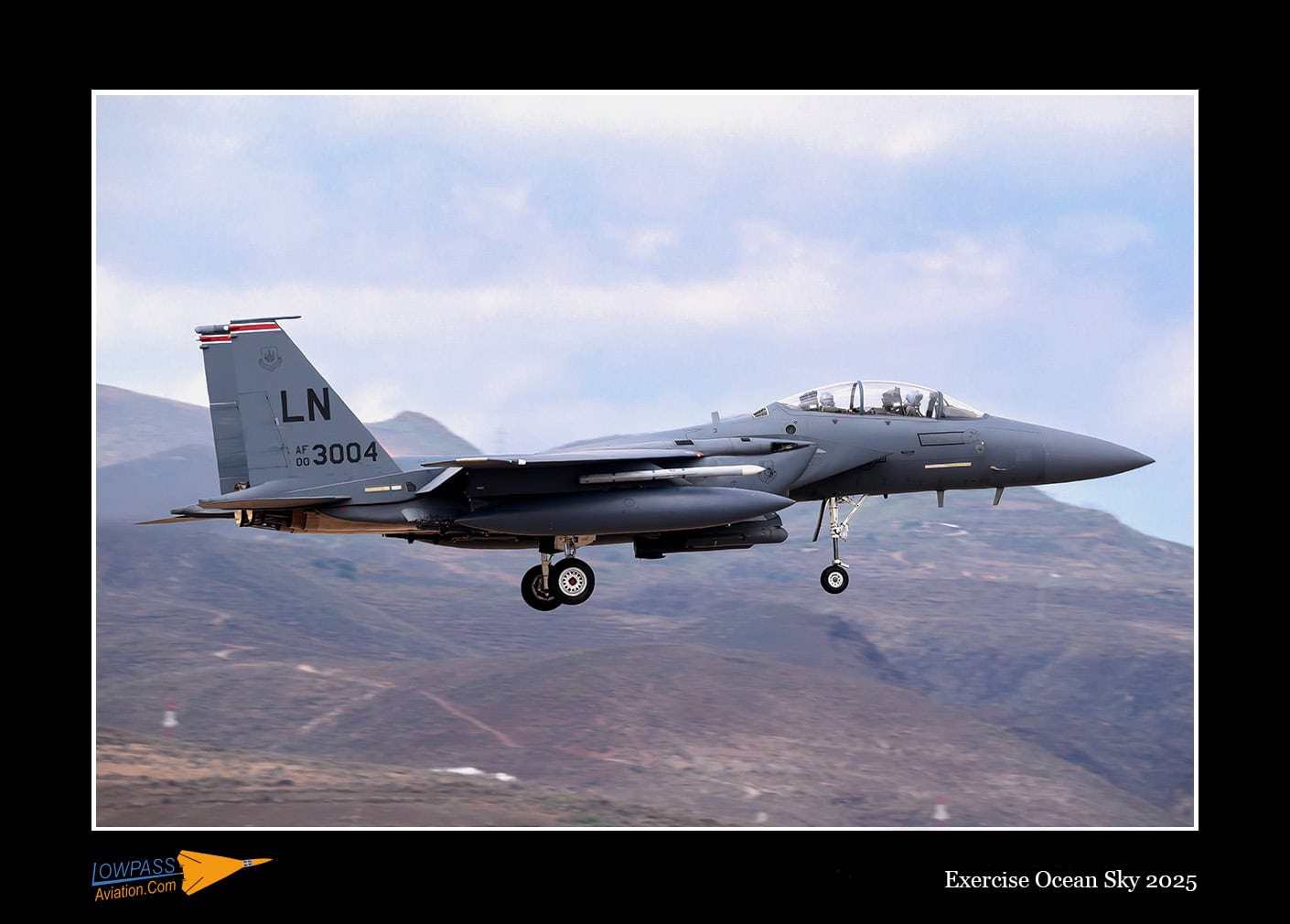
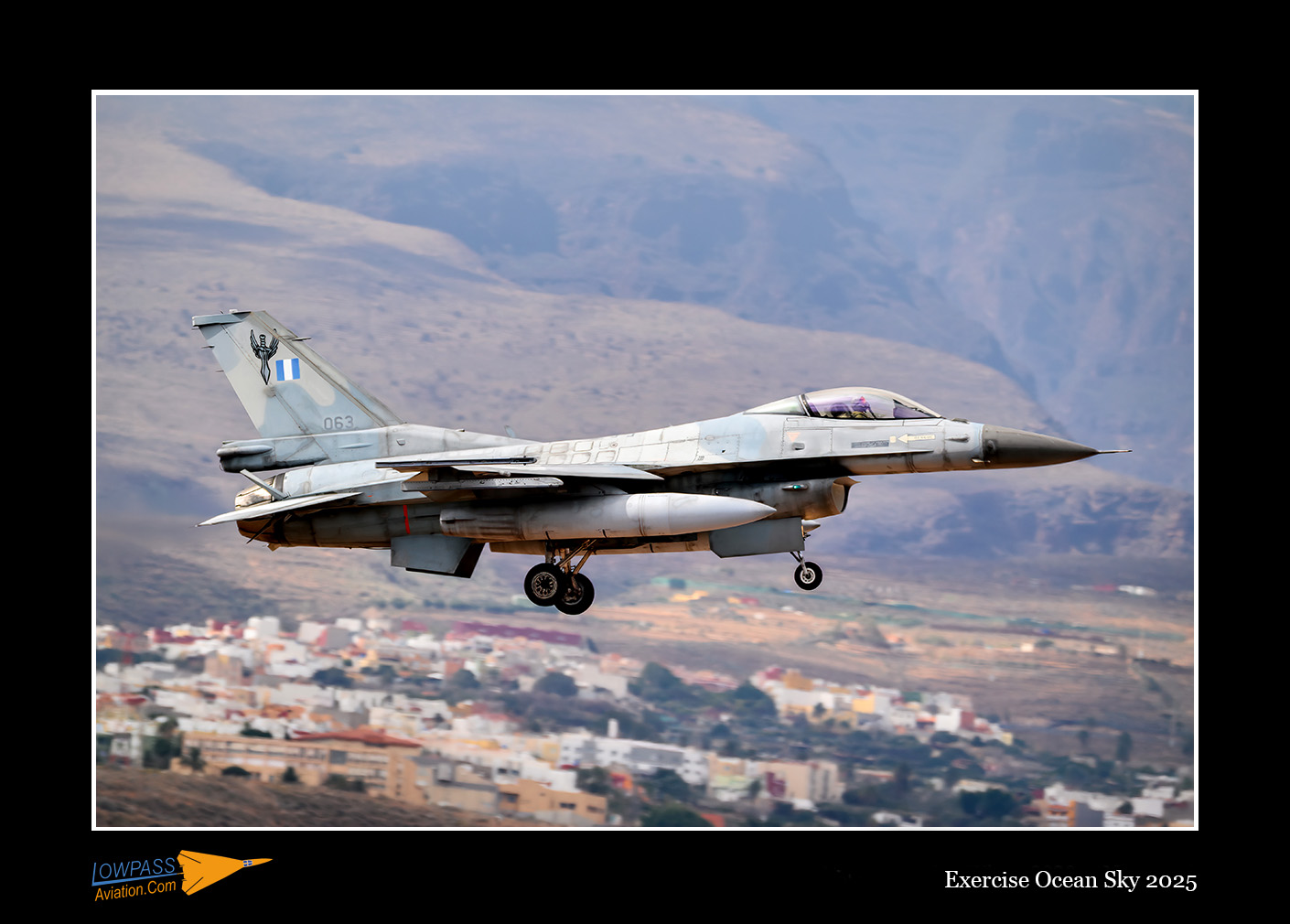
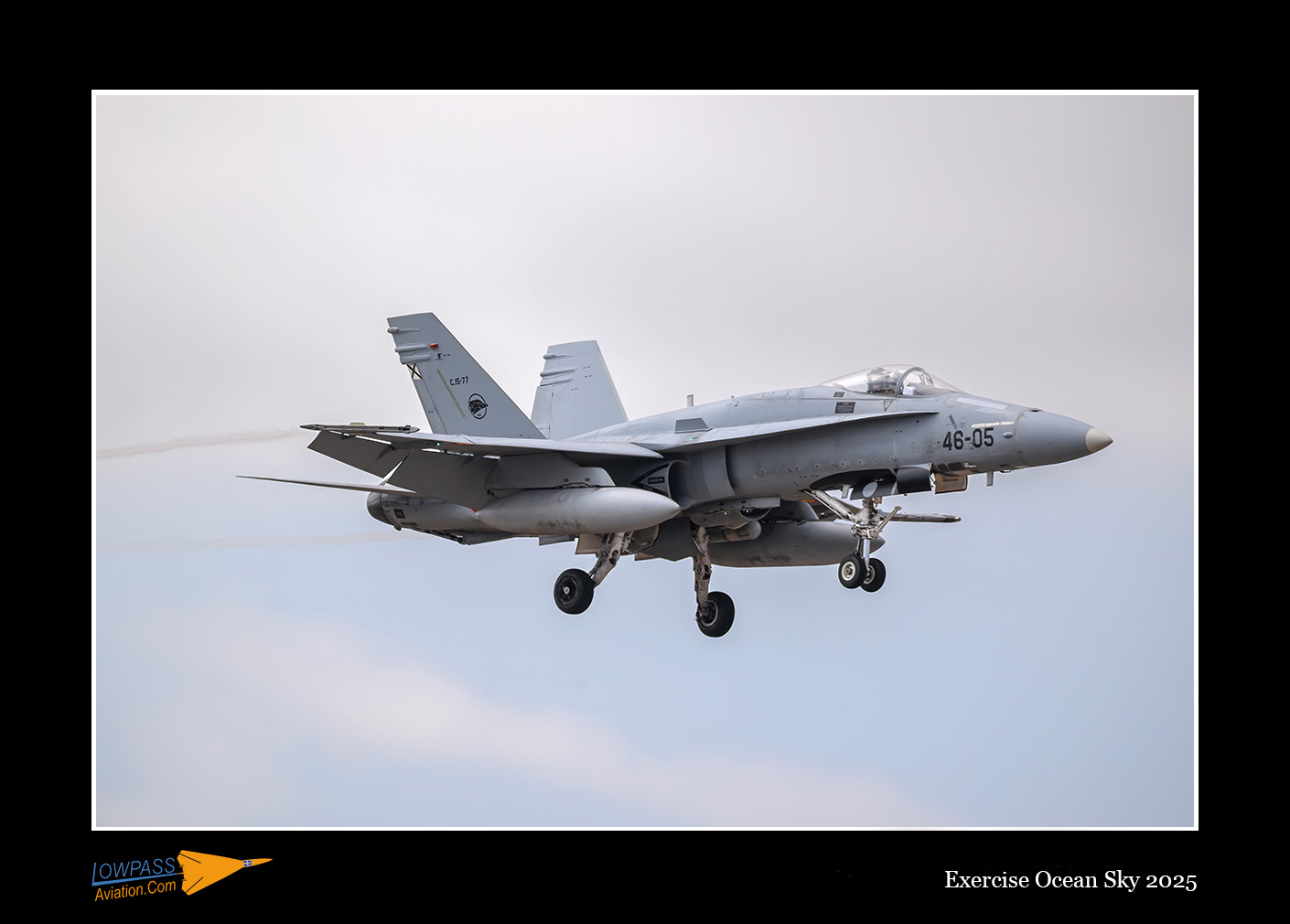
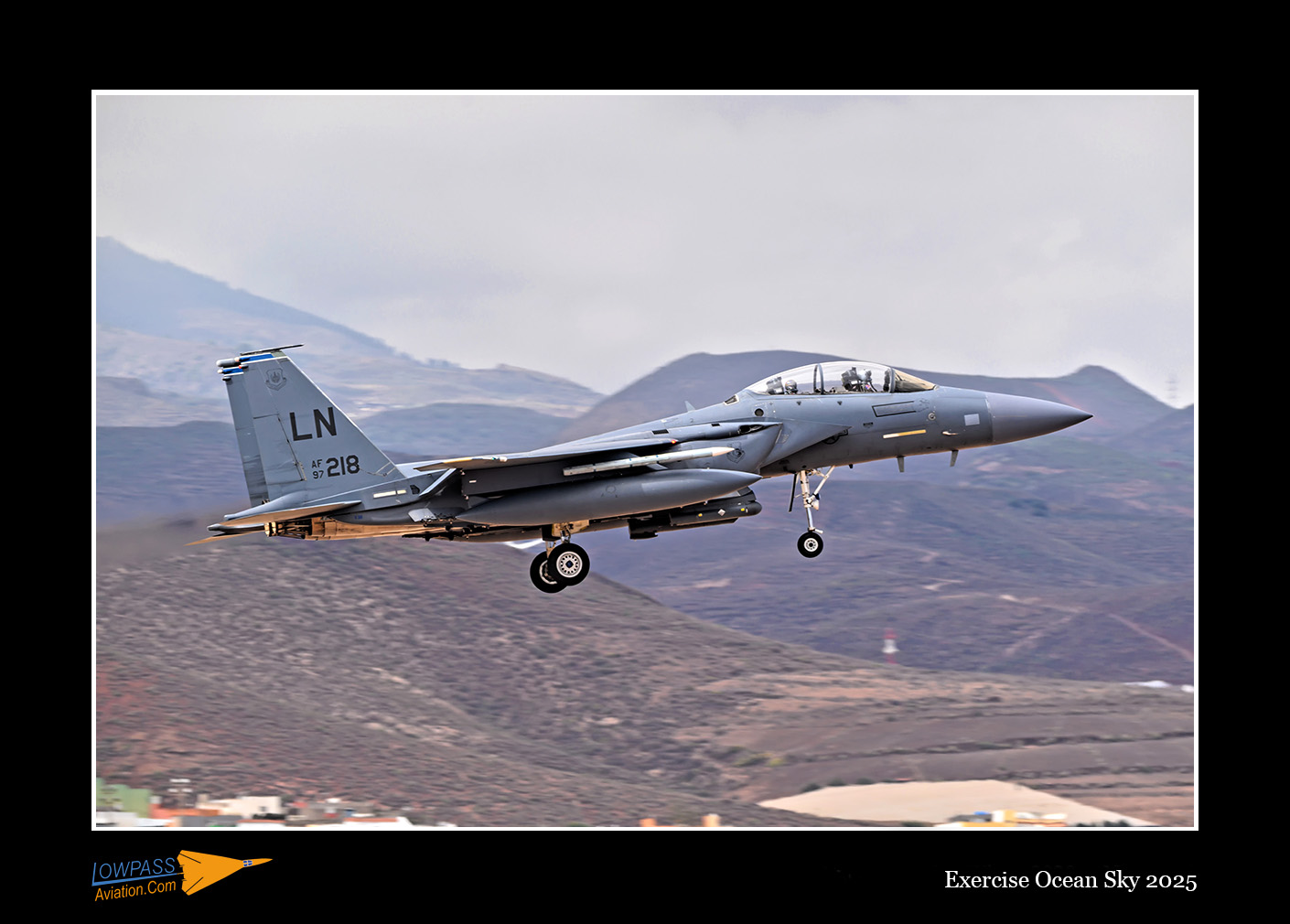
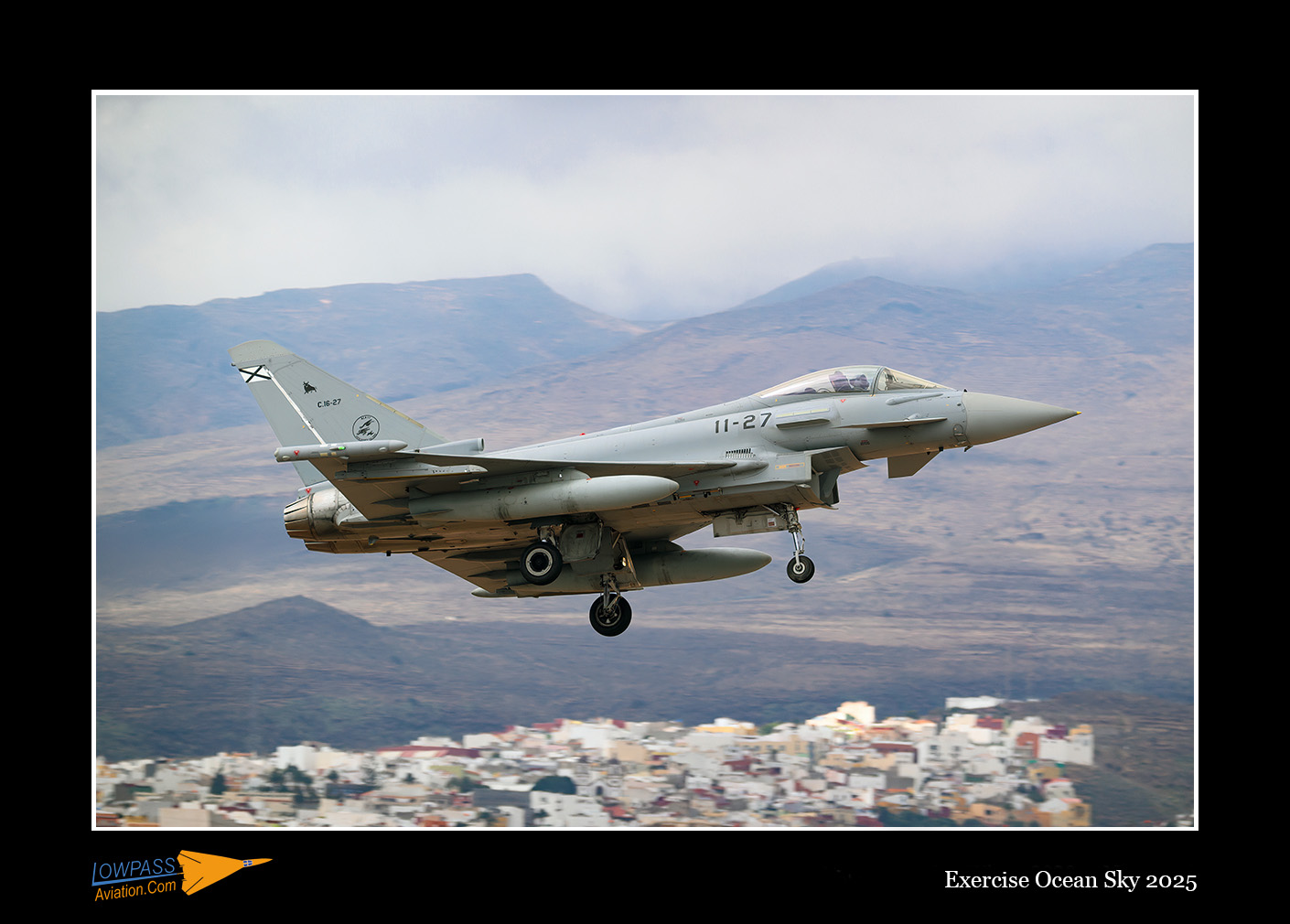
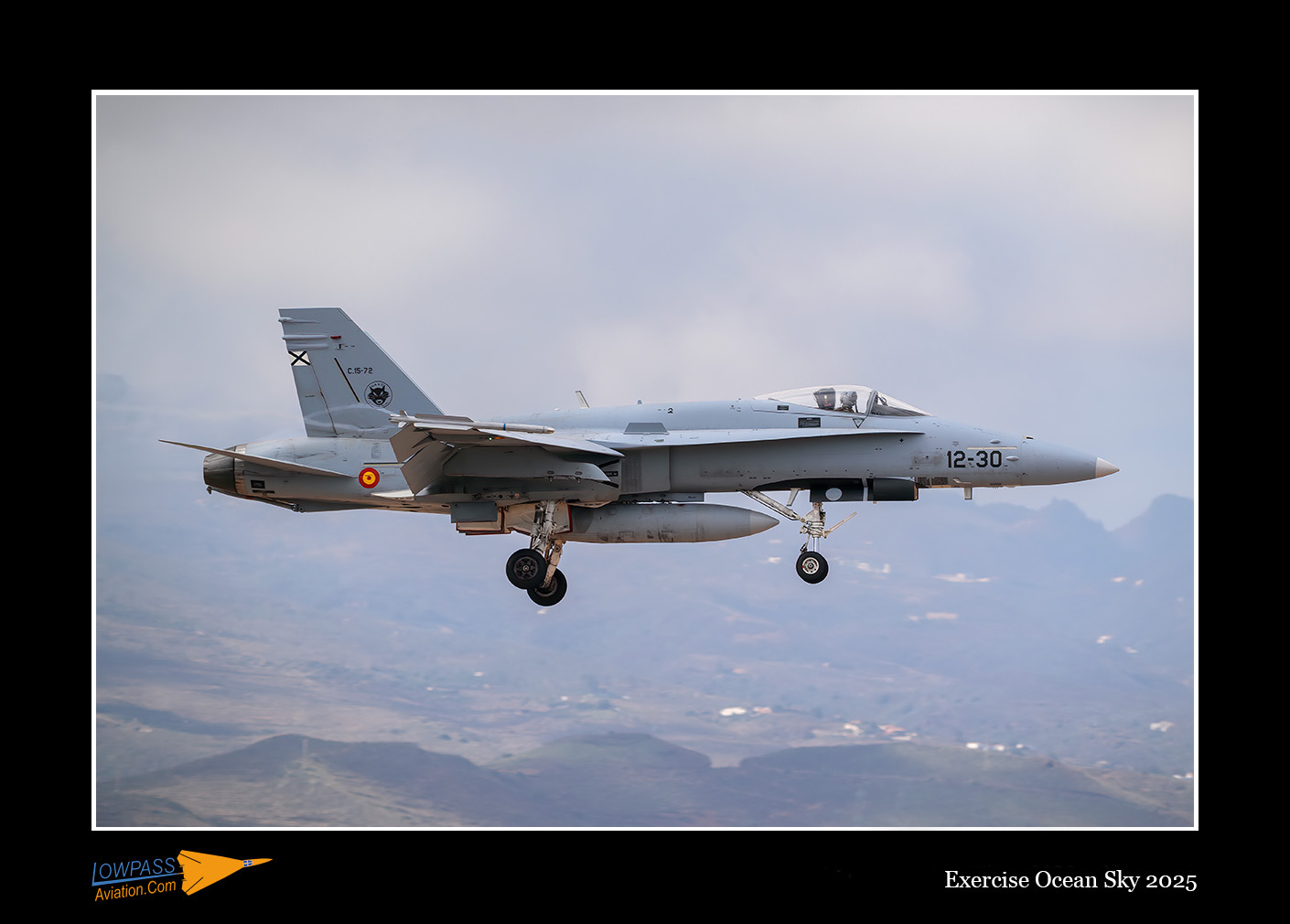
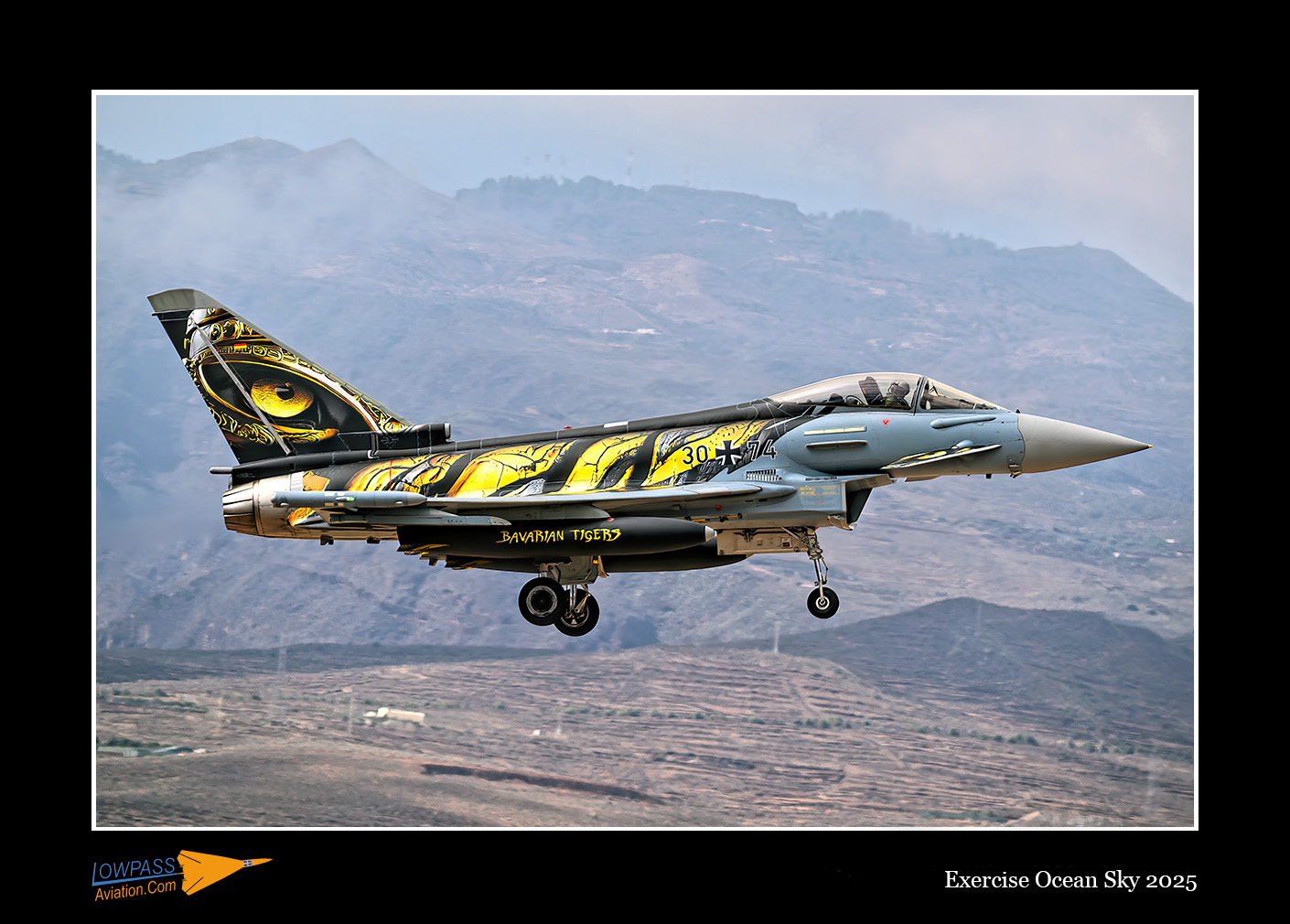
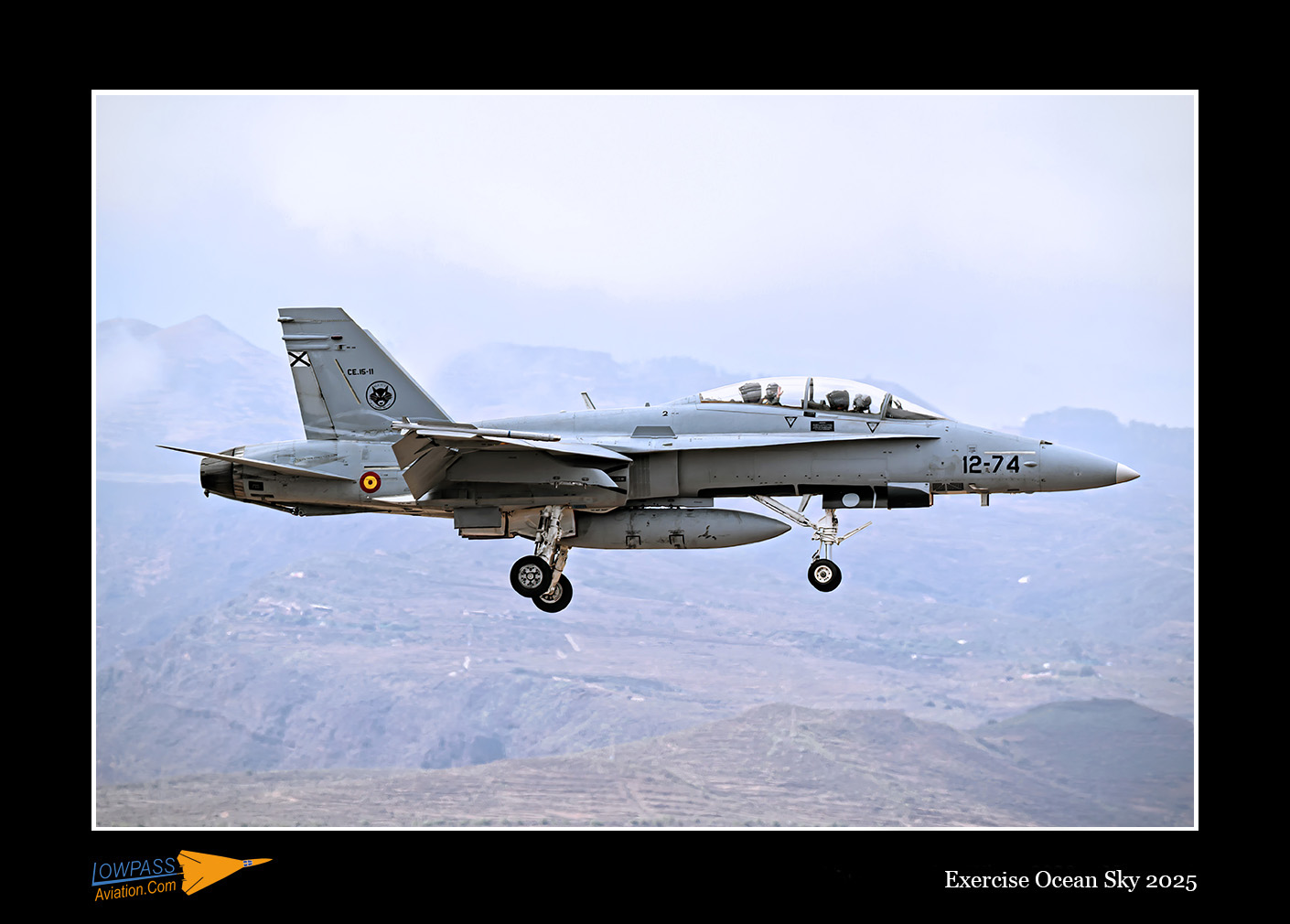
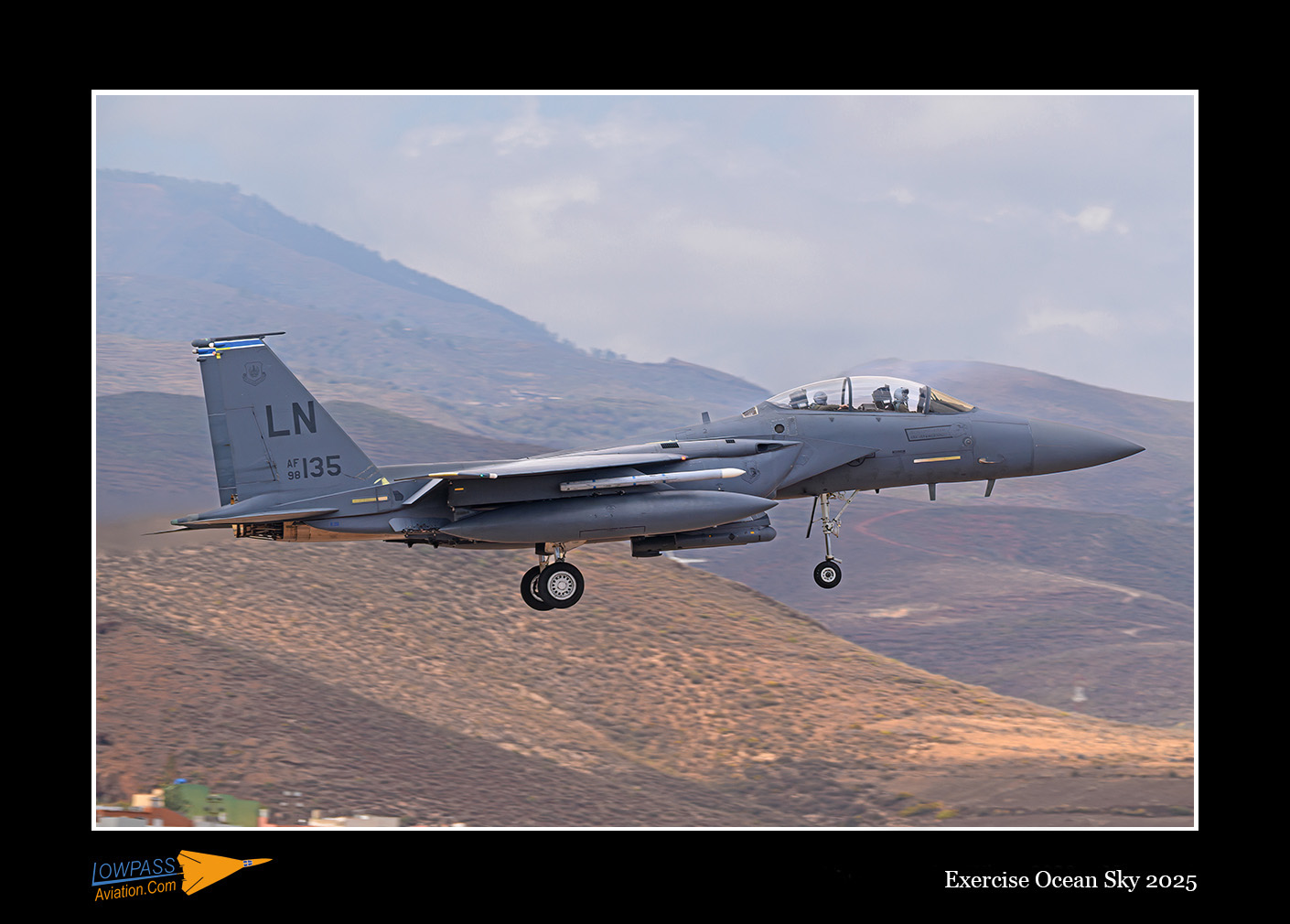
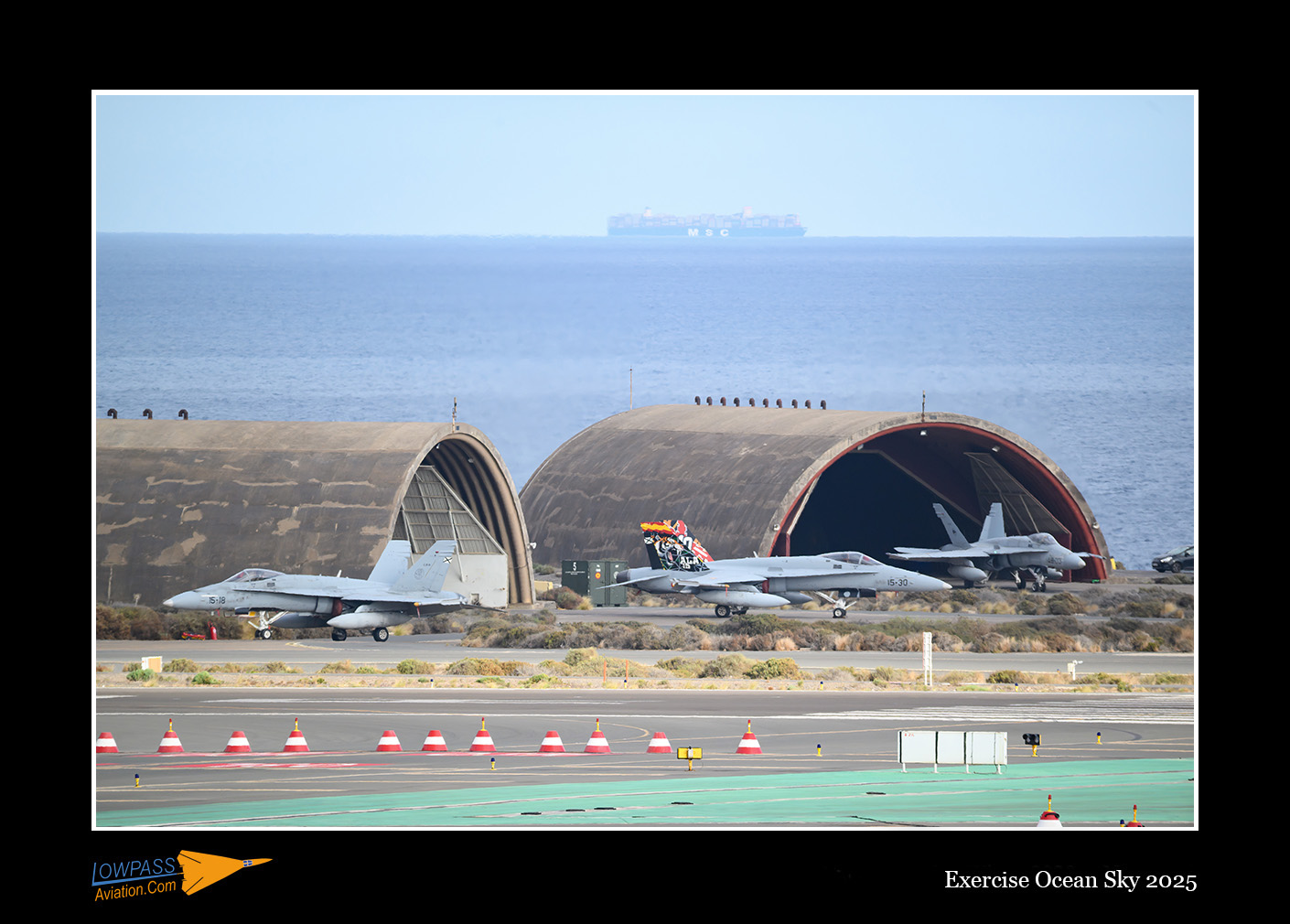
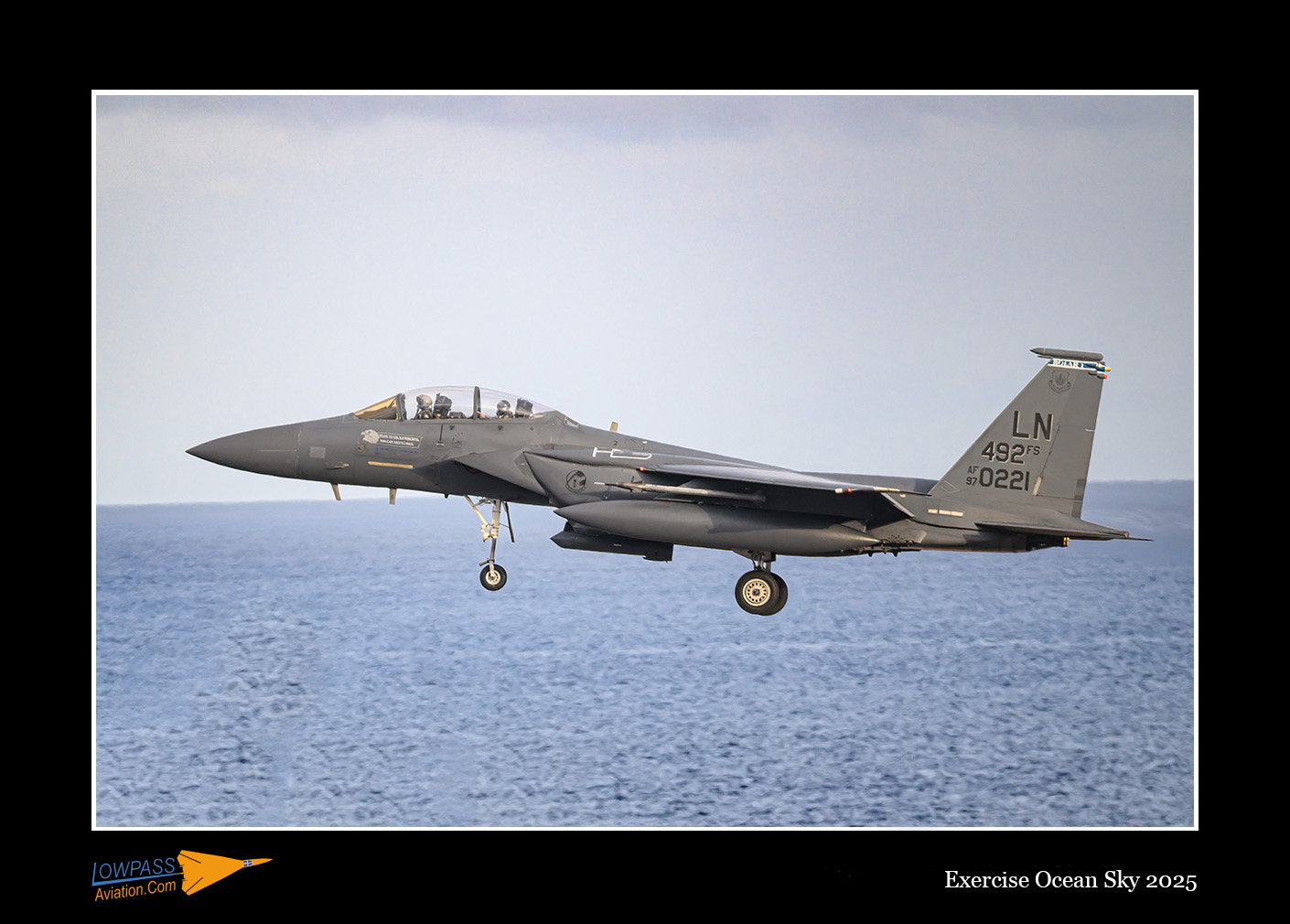
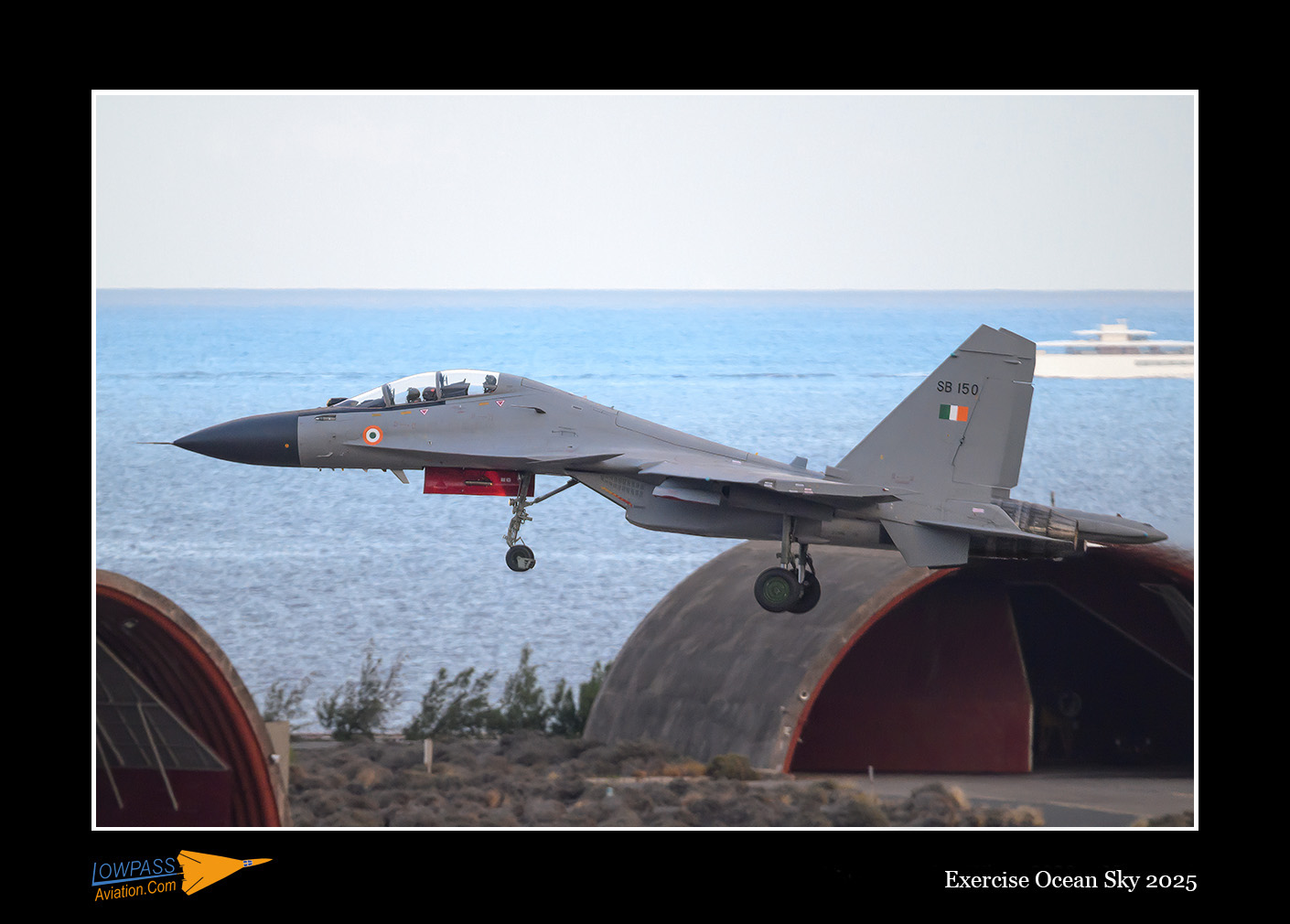
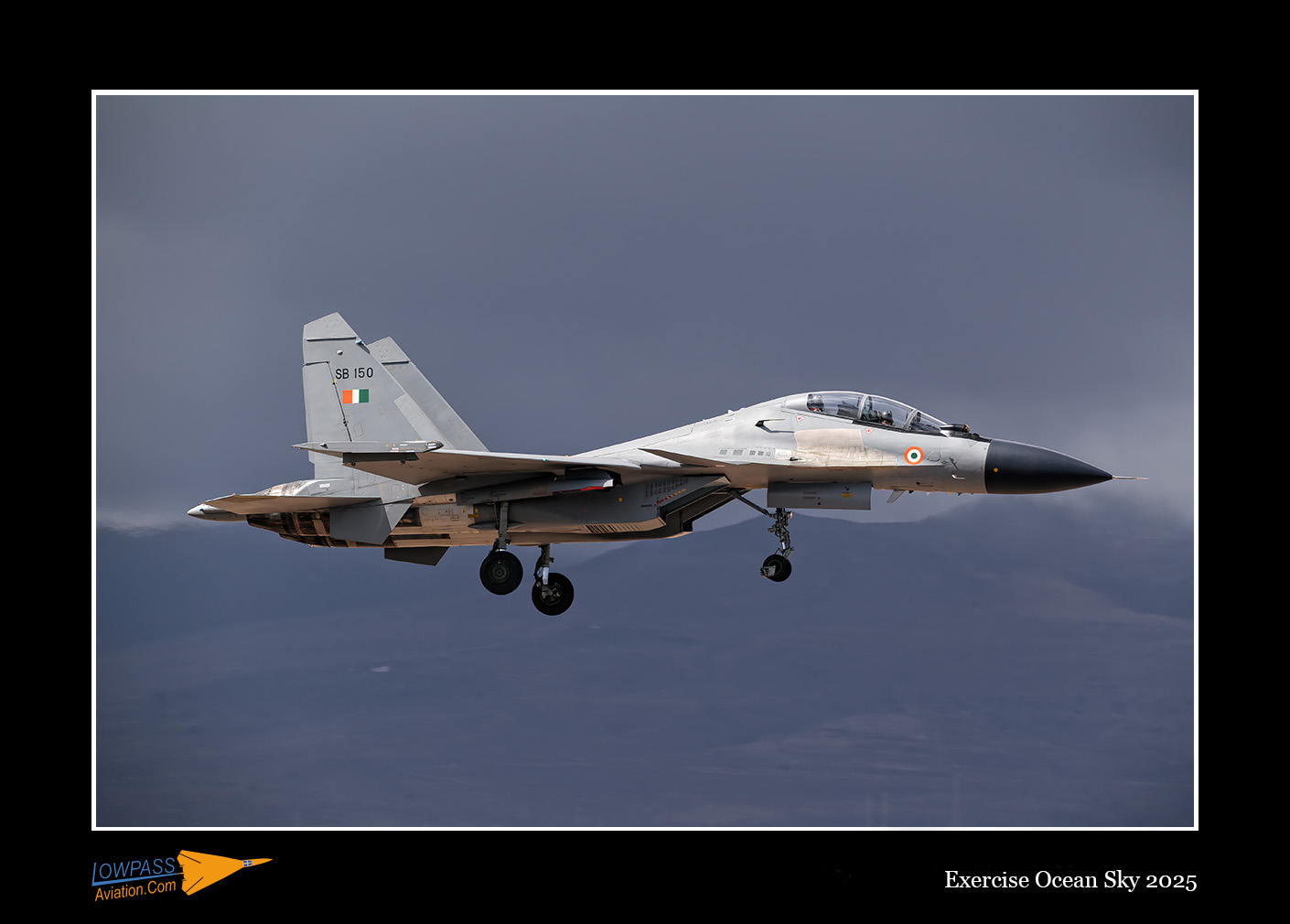
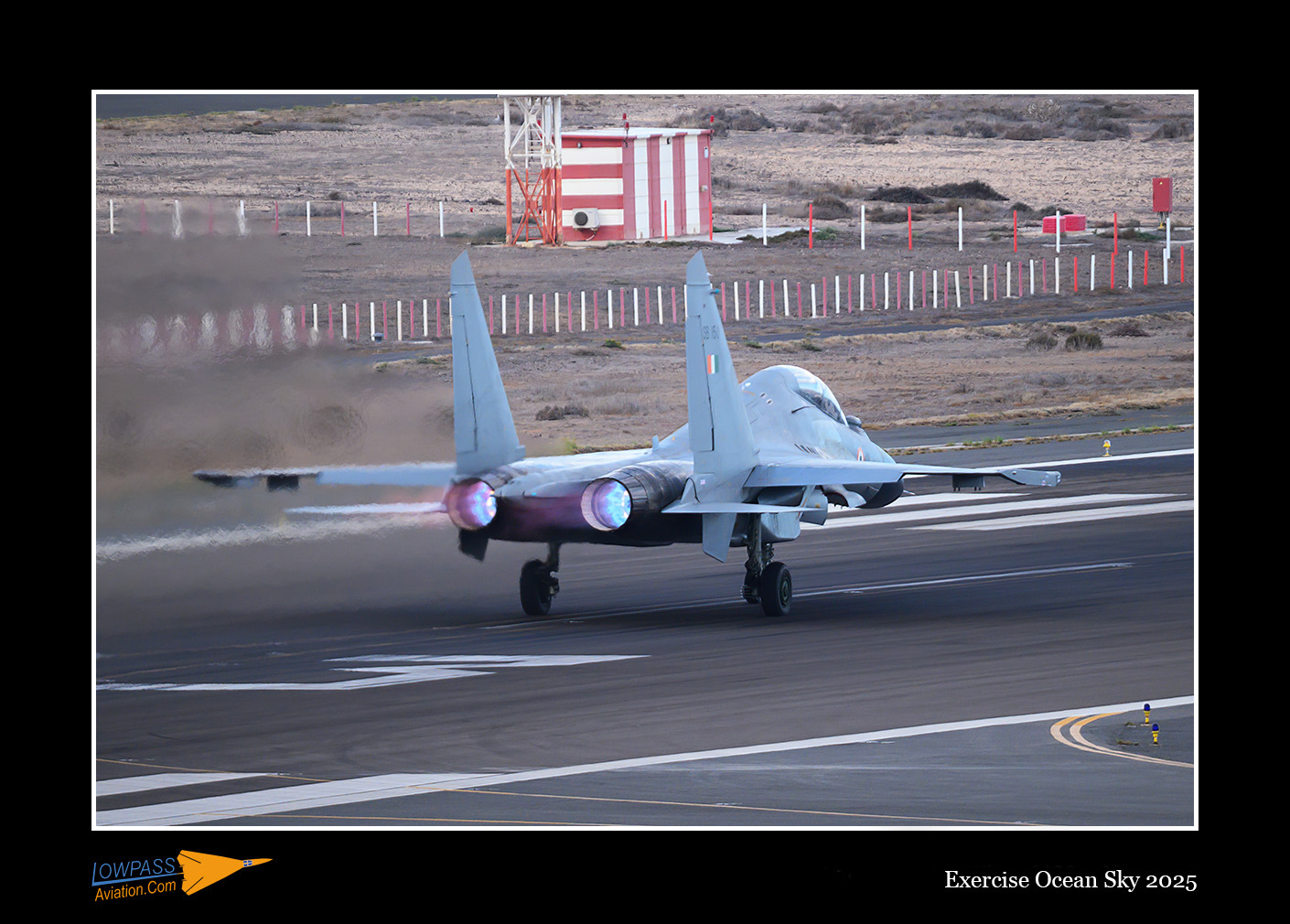
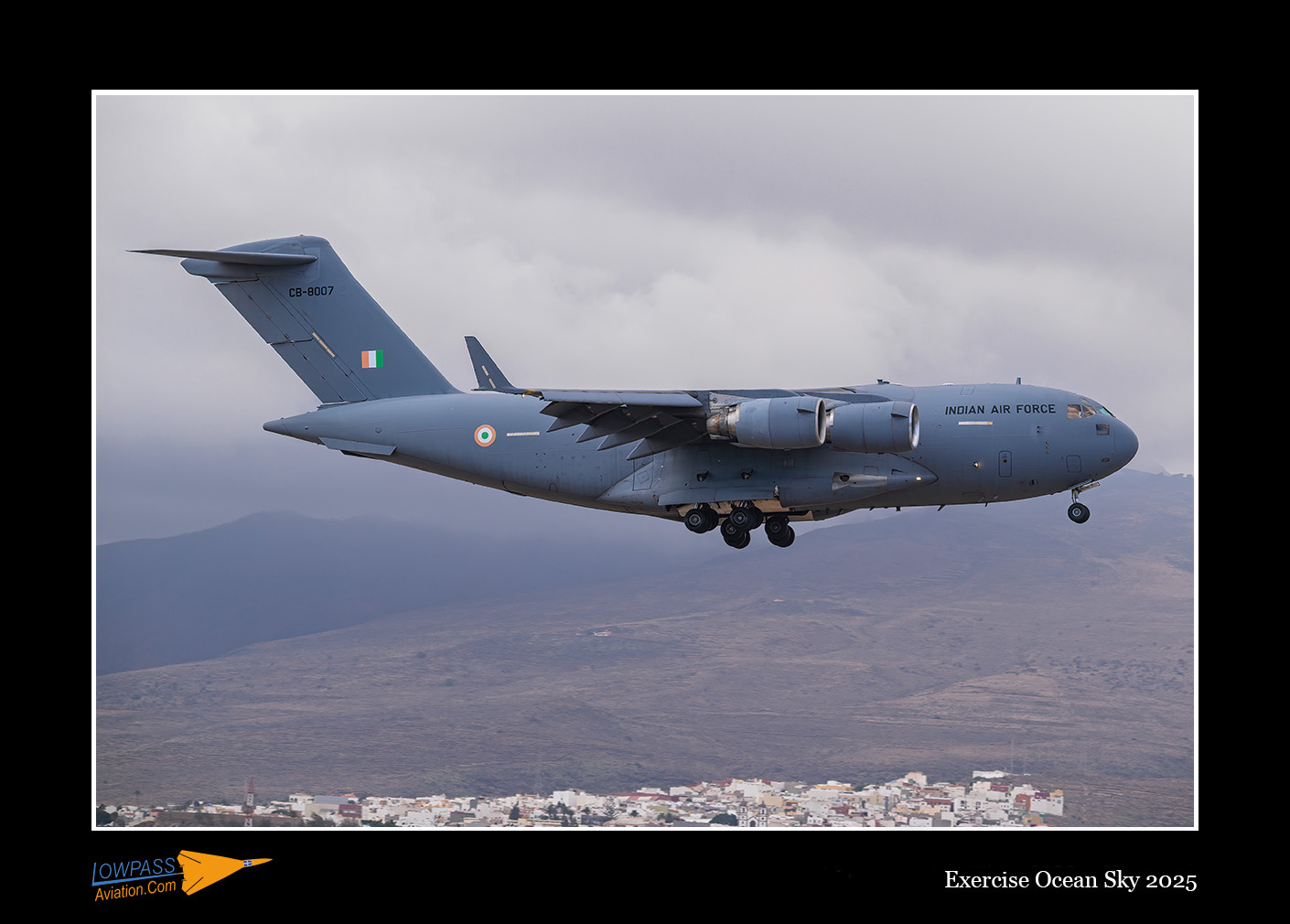
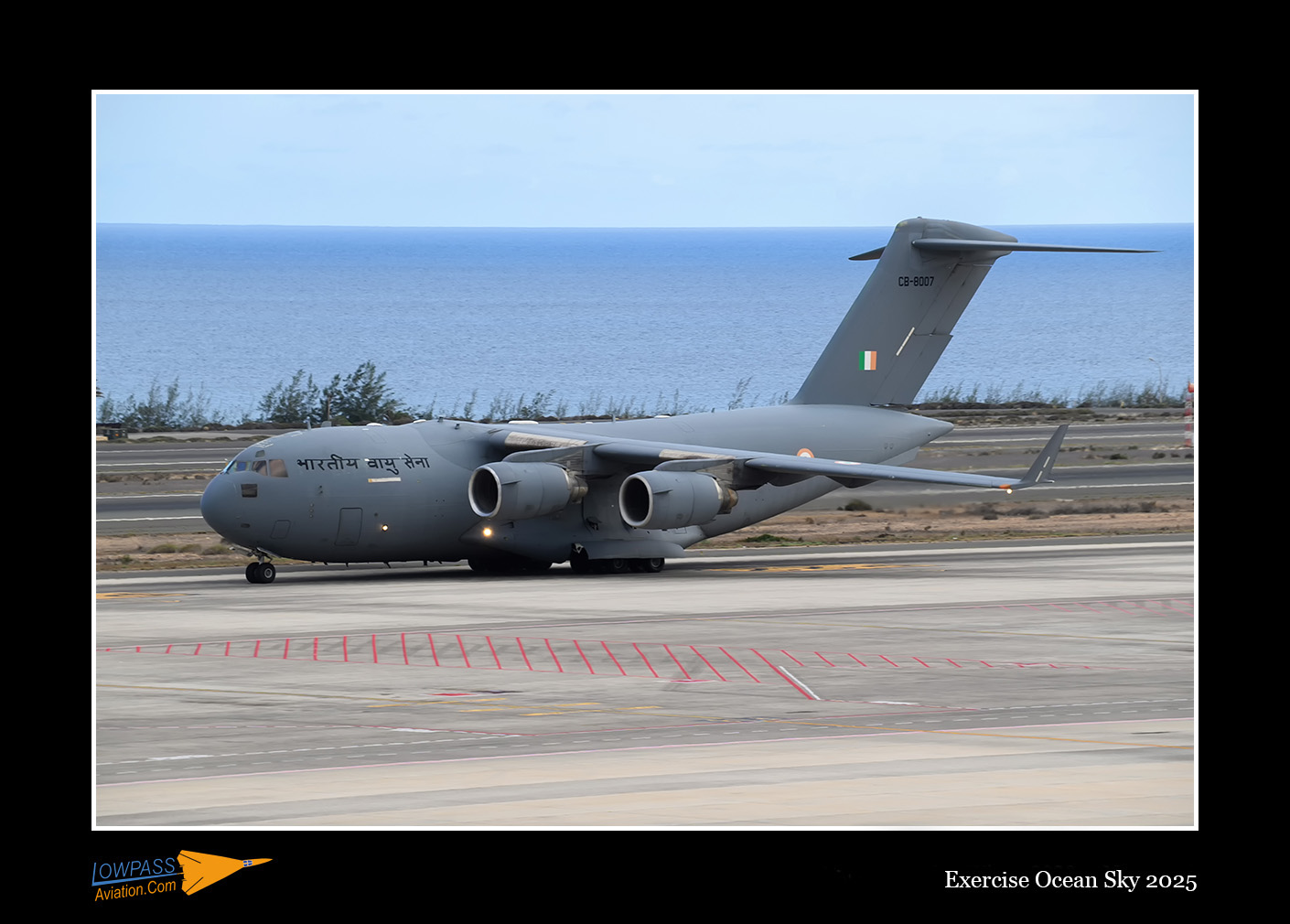
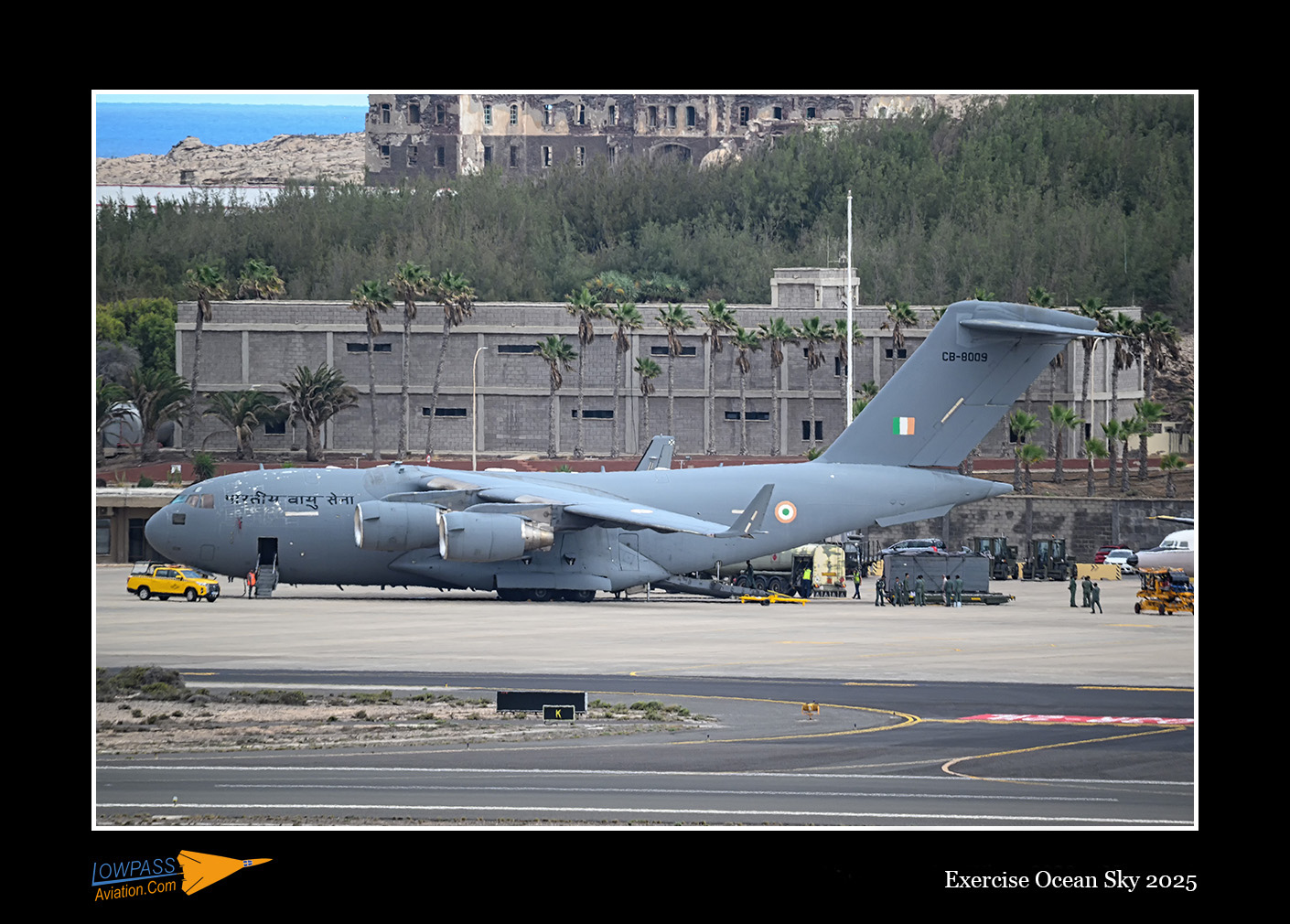
Exercise Ocean Sky operated in the airspace south of Lanzarote providing a realistic setting from 2.000 feet to unlimited altitude for unrestricted training. A fictional geopolitical scenario was set dividing the region into three countries; a friendly and democratic nation called Bluceronia; an aggressive single-party regime called Feroxia and a neutral country which maintains close ties with Feroxia called Neutinex. The scenario was driven by escalating tensions stemming from a contested mining deposit and oil basin stretching across the borders of Bluceronia and Feroxia, forming the central conflict backdrop for the exercise. Due to the first-ever participation of the Indian Air Force with its Russian built Sukhoi Su-30 fighter aircraft, Ocean Sky 2025 marked a historic milestone. India is the first non-NATO nation taking part in the Ocean Sky exercise and served as the most tactical highlight of the exercise.

| Country | Unit | Aircraft | Homebase |
| Spain | Ala46 | F/A-18 | Gando |
| Spain | Ala12 | EF-18 | Torrejon |
| Spain | Ala15 | EF-18 | Zaragoza |
| Spain | Ala11 | EF-2000 | Moron |
| Spain | Ala14 | EF-2000 | Albacete |
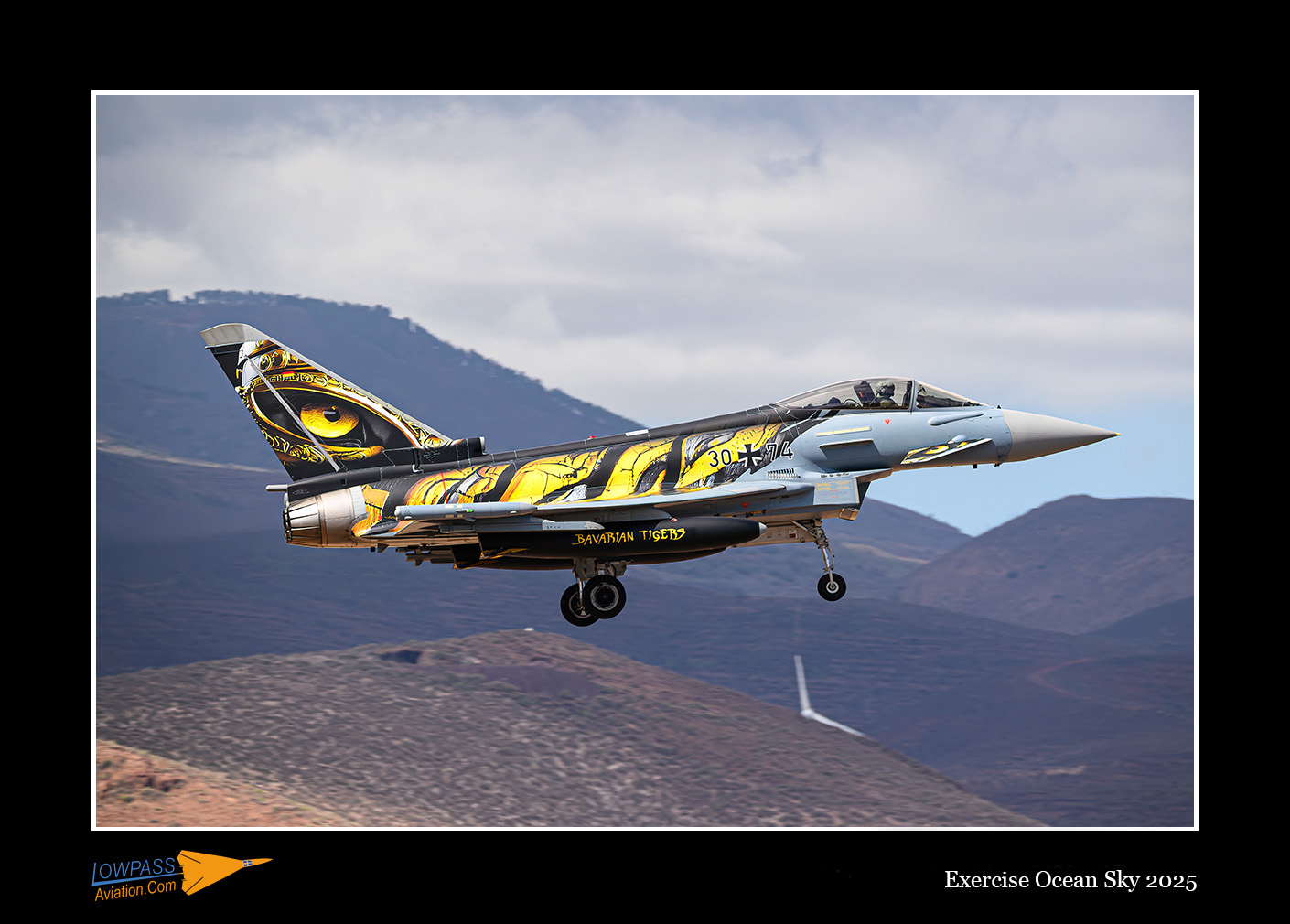
| Germany | TLG74 | EF-2000 | Neuburg |
| Greece | 347 Mira | F-16 | Nea Anchialos |
| Portugal | Esquadra201 | F-16 | Monte Real |
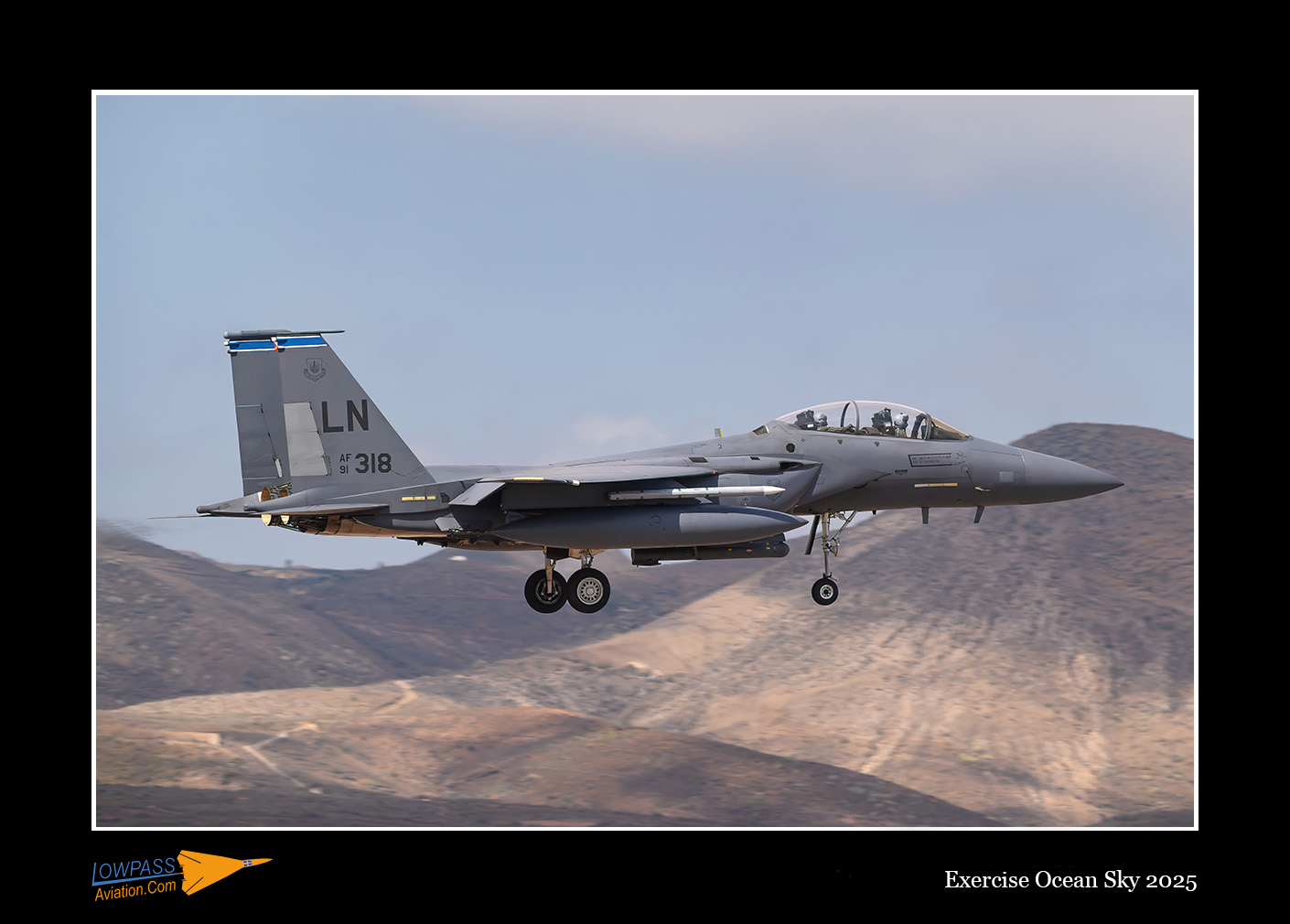
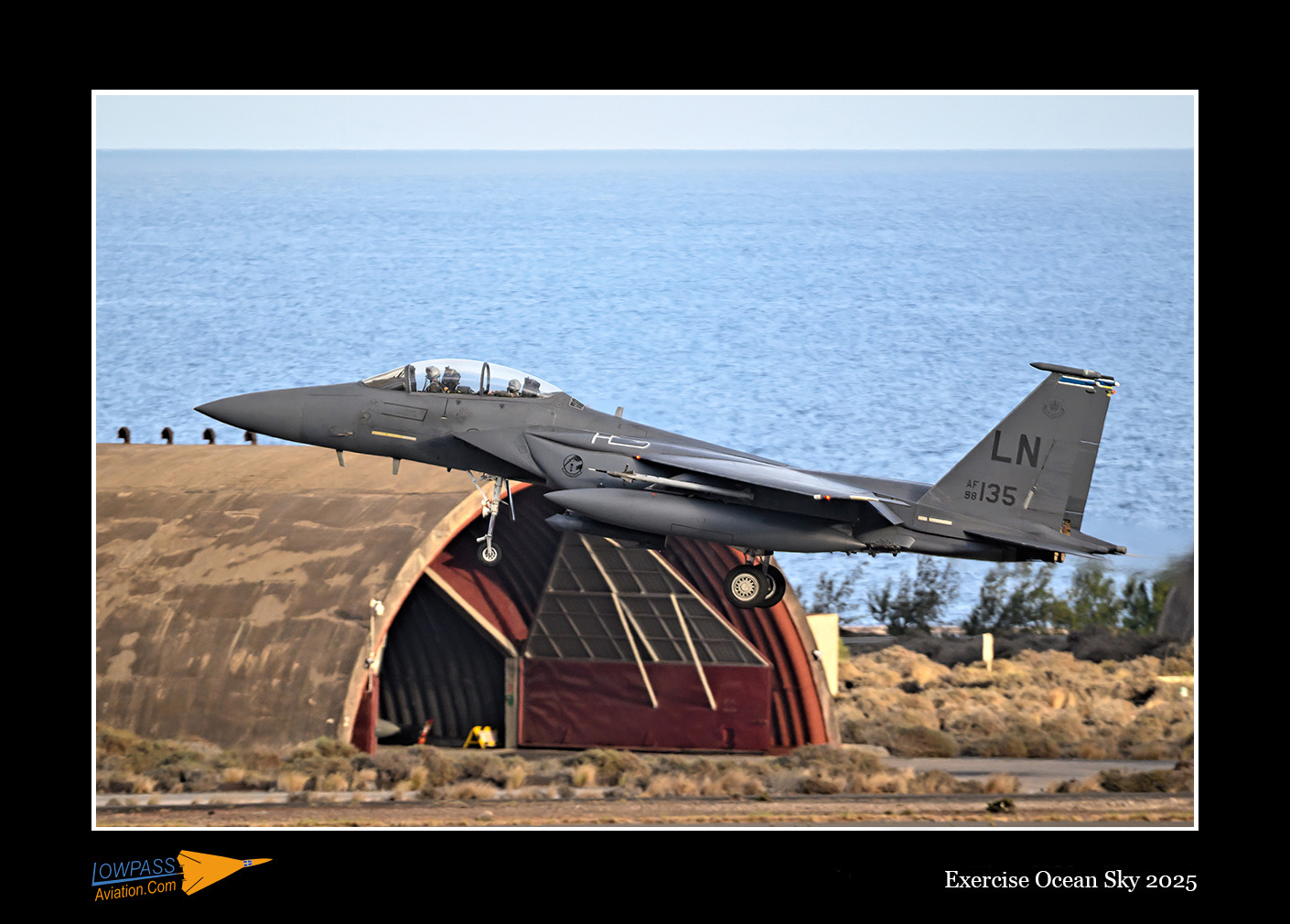
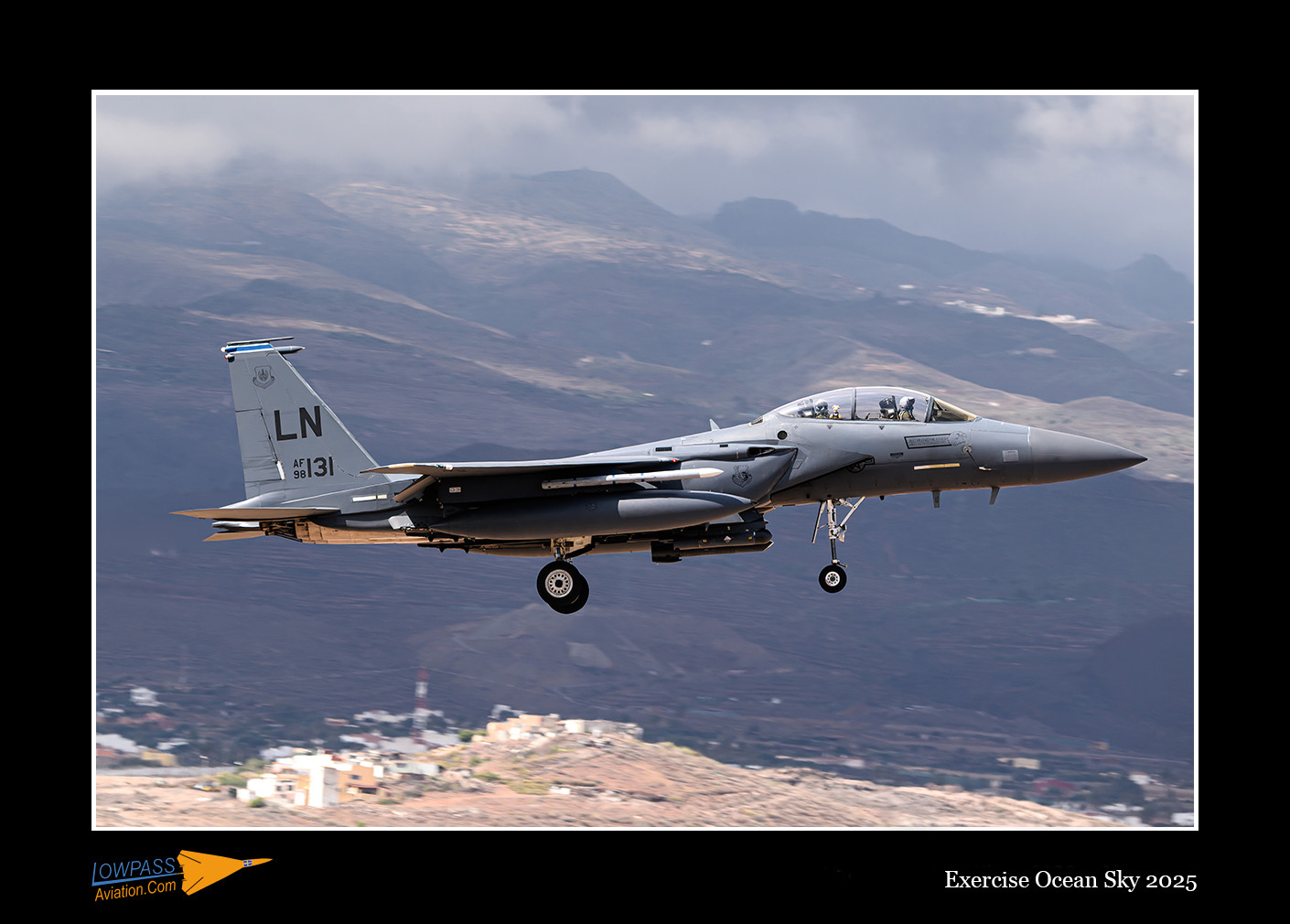
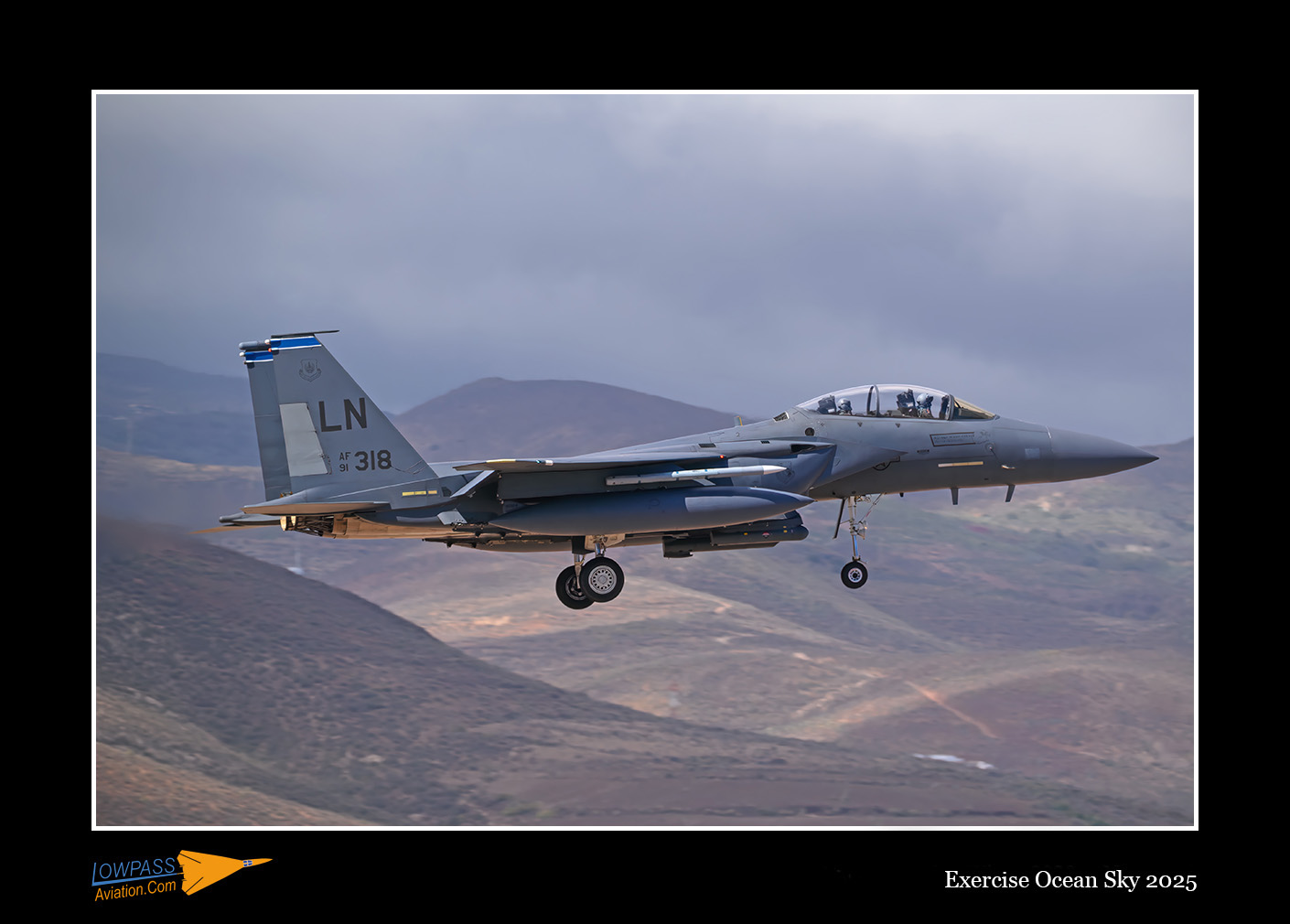
| USA | 48FW/492FS | F-15 | Lakenheath, UK |
| India | 24 Squadron, 15Wing | Su-30 | Bareilly |
Key supporting Spanish units included GRUALERCON, GRUCEMAC, GRUNOMAC, EADA, SEADA, GRUMOCA, CIGES and the Guardia Real.

European Air Refueling Training (EART) 2025
Running in conjunction with Ocean Sky was the European Air Refueling Training (EART) exercise. EART 2025 took place from 15 to 31 October at Lanzarote Air Base, Canary Islands, Spain. Lanzarote does not have any permanently based military aircraft; it’s used by the Air Force troops and an Air Defense radar which covers the eastern Canary Islands and maritime area up to the Sahara. The exercise underscores interoperability among global tanker and fighter aircraft communities. The international and multi-aircraft type exercise allows the practice and refining advance air-to-air refueling tactics, techniques and procedures within a dynamic and multinational training environment. By the introduction of a Combined Air Terminal Operation (CATO) at Lanzarote Air Base it optimized logistics, maximizing throughout and coordination among all participating countries. During the exercise more than 600 tons of kerosine were planned for offload during 58 sorties, simulating NATO-standard tactics and complex refueling scenarios which are relevant for modern coalition warfare. Each fighter aircraft must be certified and approved to receive kerosine from specific tanker types so not every fighter aircraft can receive kerosine from every tanker type due to certification ensures compatibility and safety during refueling. The Spanish EF-2000s can receive kerosine from the Italian Boeing 767 but the German EF-2000s can’t because they are not certified to refuel from that tanker. The main goal of the European Air Transport Command (EATC) is to achieve full certification and clearance across all partner nations and their tankers to enhance interoperability among allied forces.
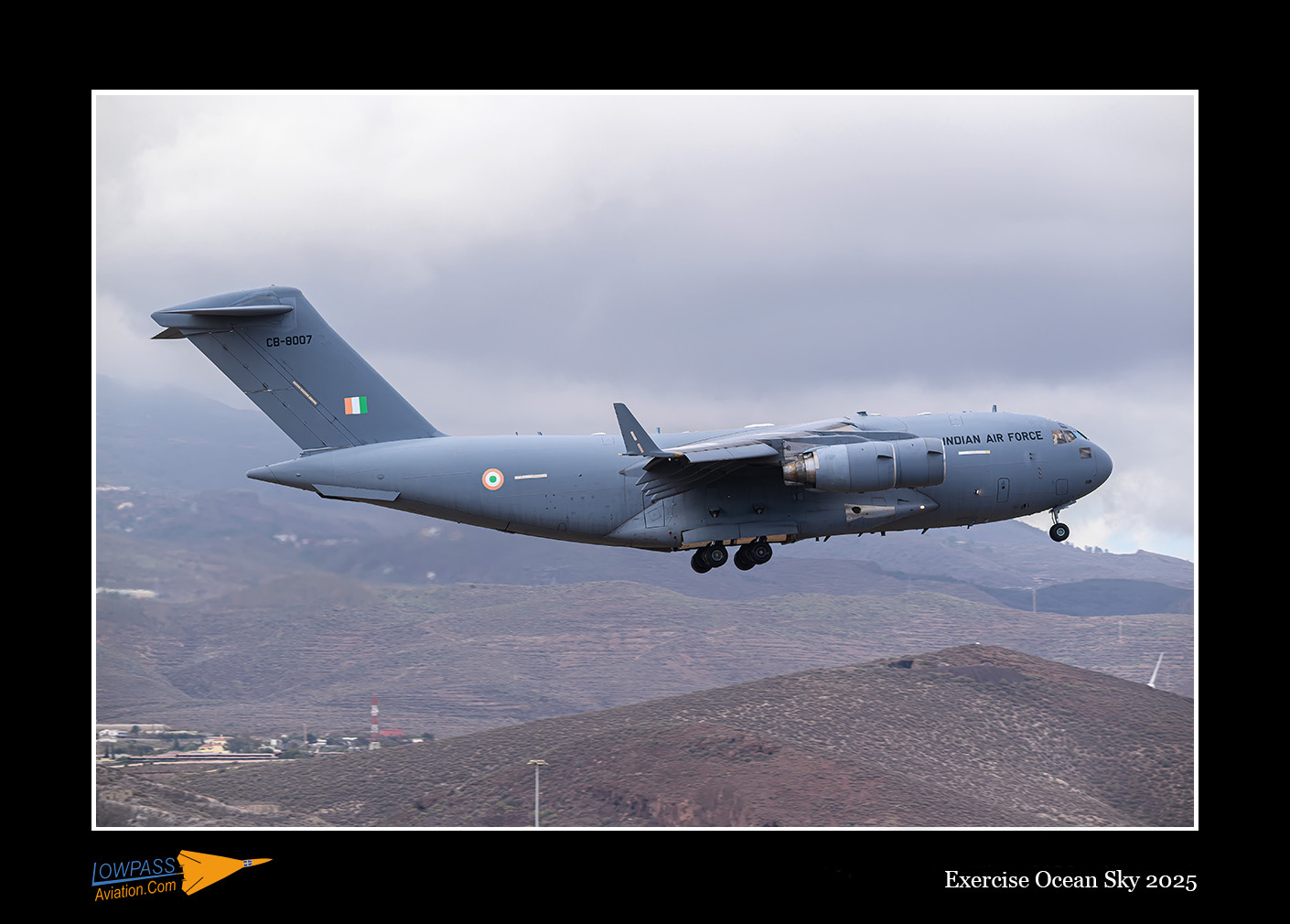
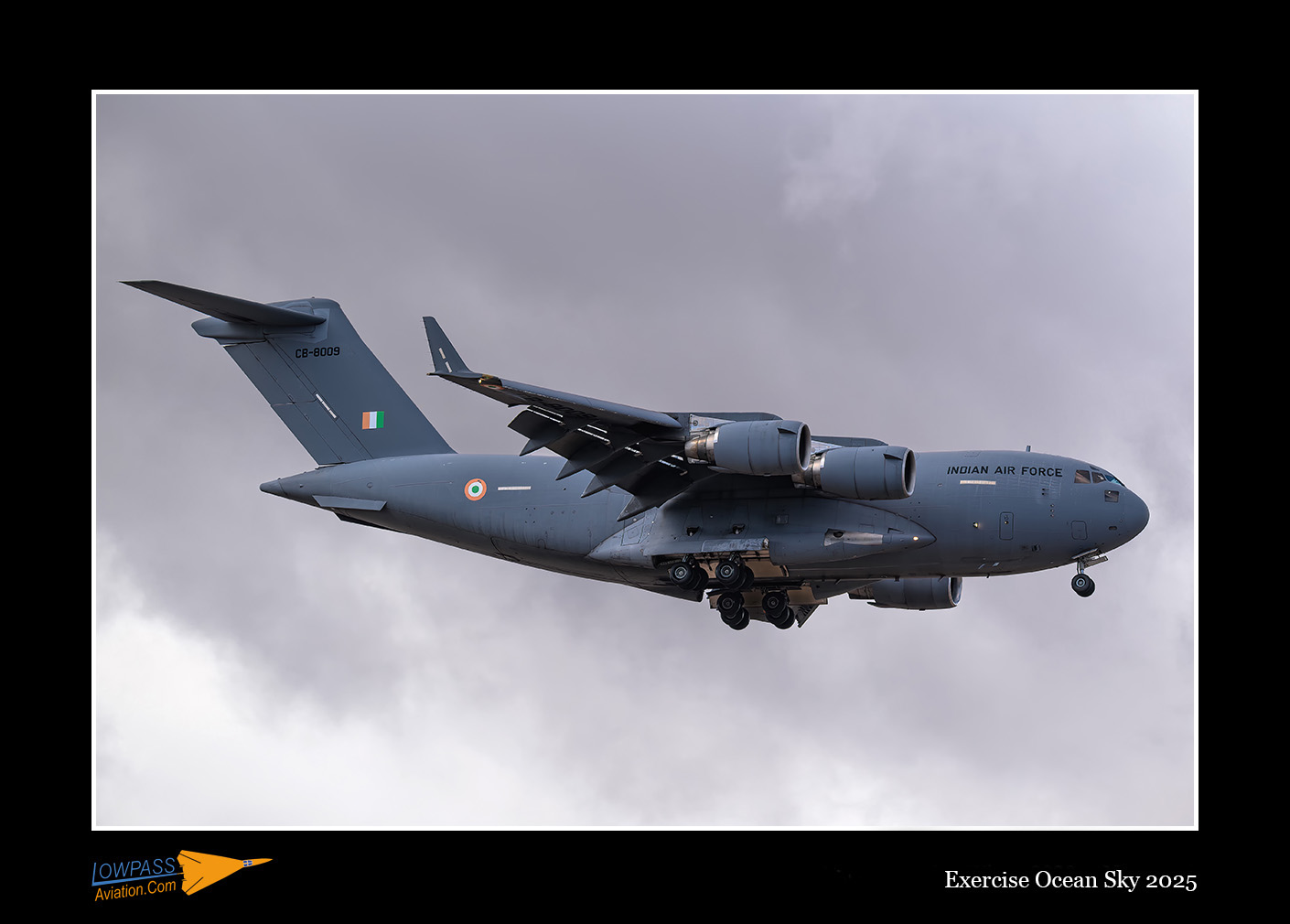
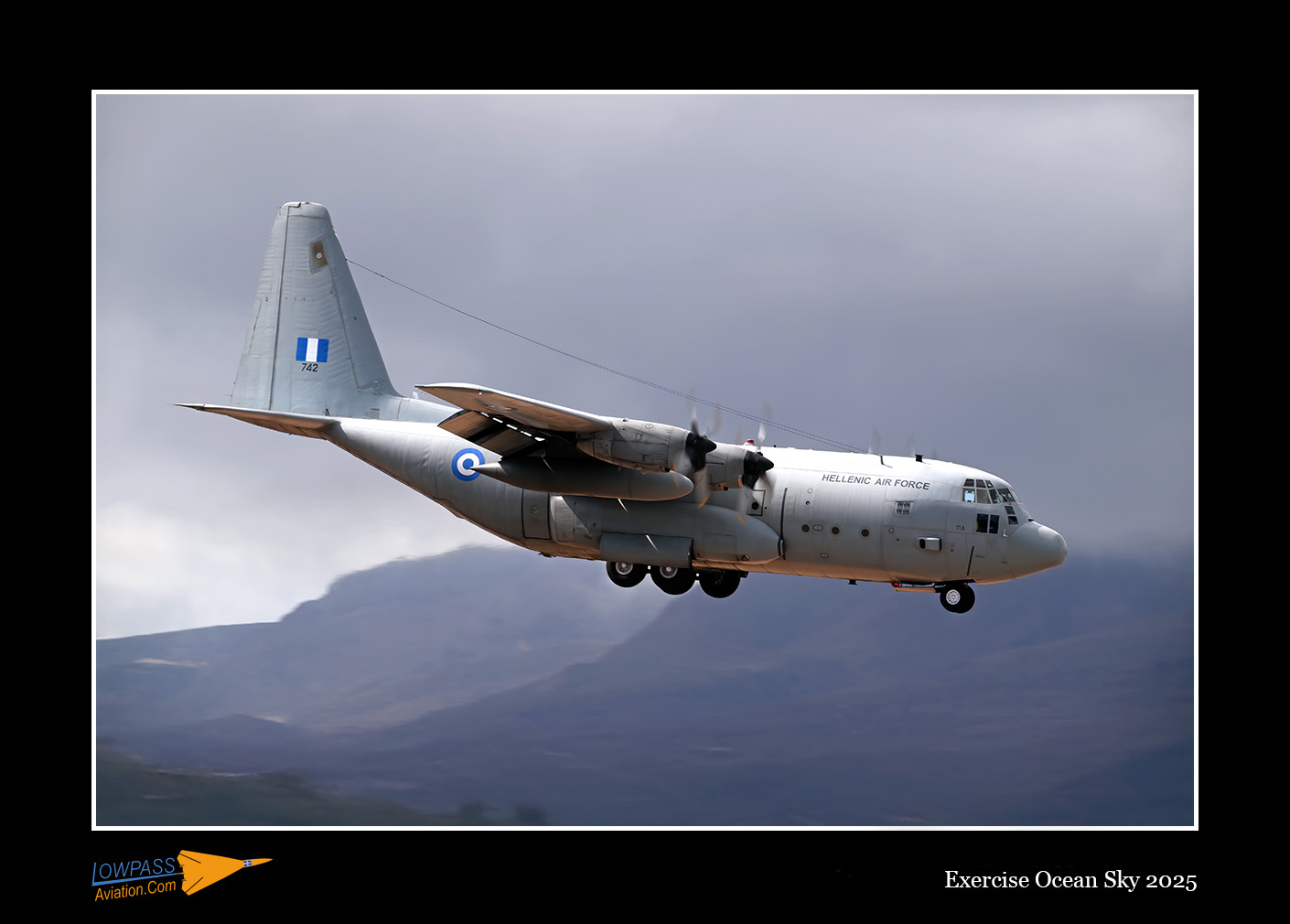
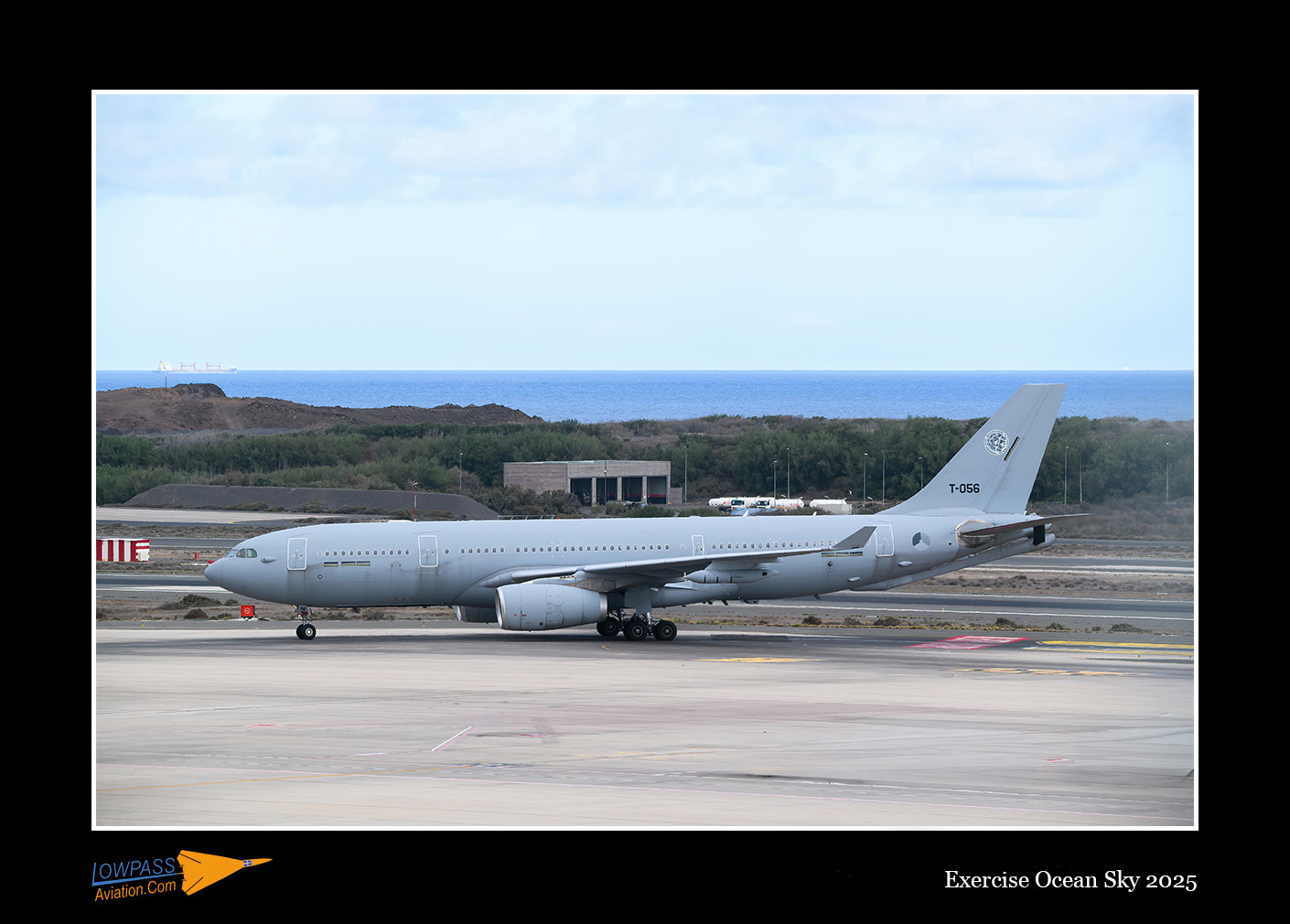
Four NATO Allies participated in EART 2025.
| Country | Unit | Aircraft | Homebase |
| Spain | Ala31 | A-400M | Zaragoza |
| Italy | 14 Stormo | KC-767A | Pratica di Mare |
| France | ERVTS01.031 | A-330MRTT | Istres |
| Netherlands | MMU | A-330MRTT | Eindhoven |

Ocean Sky and European Air Refueling Training (EART) 2025 demonstrated how important interoperable, coalition-based training and future-ready mobility tankers and transport is evolving the demands of European and Allied air combat operations.
The authors of Lowpass Aviation would like to thank all the involved personnel of the Spanish Air Force for their hospitality, time and help during our visit to exercise Ocean Sky, Gando air base.

